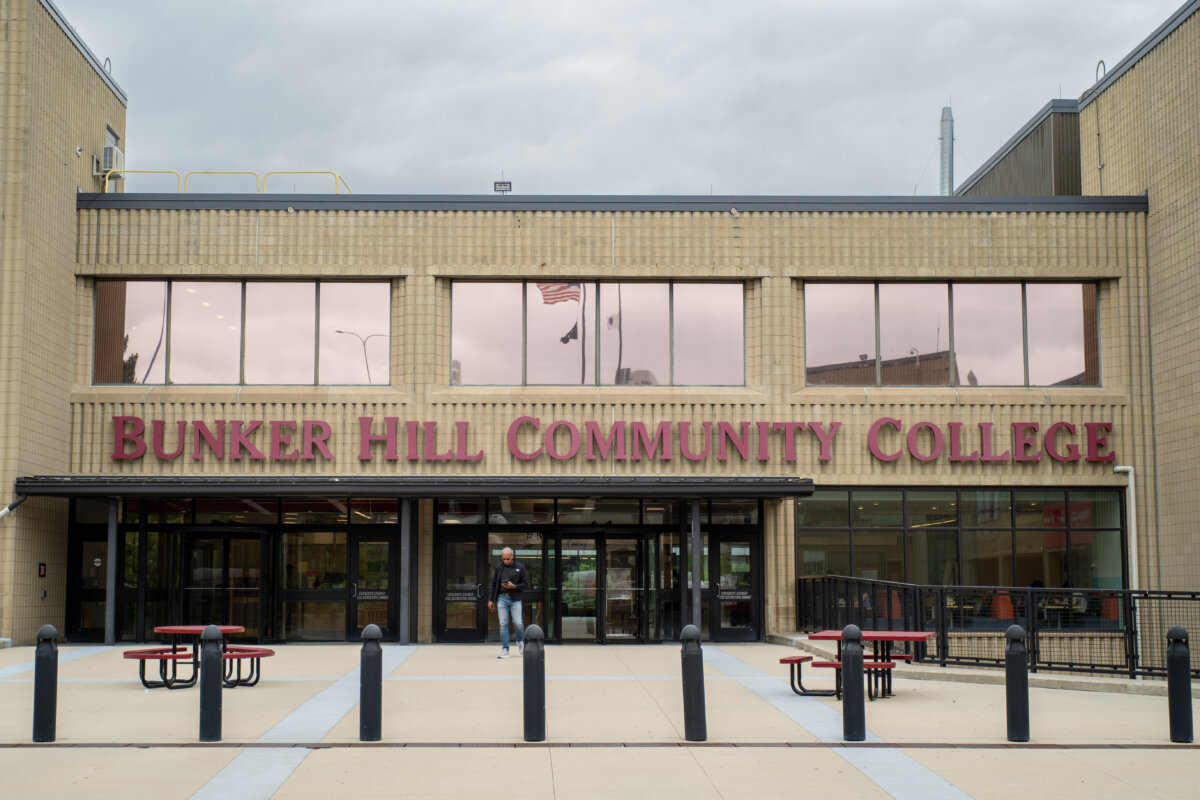

Enrollment at colleges and universities rose by a modest 1 percent this spring, but the number of students eschewing traditional four-year universities for technical certificate programs rose much more sharply, a June 4 report by the National Student Clearinghouse Research Center found.
More than 18.6 million students enrolled in postsecondary academic programs in Spring 2026, according to “Clearinghouse’s Enrollment Insights: Final Spring Enrollment Report.” Total undergraduate enrollment increased by 1.3 percent to 15.5 million students, but enrollment in undergraduate certificate programs at community colleges spiked by 12.1 percent, adding 82,873 students to reach a total of 767,662.
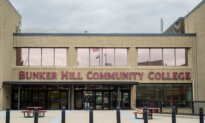
Community colleges also recorded the biggest enrollment gains of full- and part-time students among all postsecondary institutions. Full-time enrollment rose by 2.6 percent to 1,984,556 students, while part-time junior college enrollment climbed by 3.3 percent to 3,827,796 students. Community college students accounted for just under 32 percent of total postsecondary enrollment.
Two-year associate degree programs with the highest year-over-year increases in spring enrollment include mechanics and repair technicians at 9.8 percent, architecture at 9 percent, and health professions at 7.1 percent.
Enrollment in health professions was up at all types of postsecondary institutions, the National Student Clearinghouse noted, with undergraduate enrollment in health professions rising by between 6 percent and 7.1 percent this spring.
The high cost of tuition at private universities curbed springtime enrollment among those institutions. According to the College Board, private nonprofit tuition averaged $45,000 for the 2025–2026 academic year. Conversely, average tuition costs at public four-year universities for in-state students were just under $12,000 annually.
Enrollment at private nonprofit colleges dipped by 0.3 percent year over year, and it was down by 0.7 percent at private for-profit postsecondary institutions, Clearinghouse researchers noted. Enrollment at public universities increased by 1.1 percent from spring of 2025, however, with an additional 83,435 students opting to pursue a traditional four-year degree path at public colleges.
The total number of students entering master’s programs was essentially flat at a negative 0.1 percent, but enrollment of graduate students from outside the United States dipped sharply this spring versus last, dropping by 4.3 percent, or about 7,000 students.
“We’re seeing more students enroll in undergraduate programs than we did last spring, but graduate enrollment is under pressure, with declines in both master’s programs and international students,” said Matthew Holsapple, senior director of research at National Student Clearinghouse.
“The momentum we continue to see in undergraduate enrollment—particularly in certificate programs—does not extend to graduate programs.”
International students face a much more difficult pathway to obtaining F-1 student visas than in past years. Researchers at Georgetown University noted that nearly 100,000 fewer student visas were issued for the 2025–2026 academic year, a 36 percent year-over-year decline. Visa interviews were frozen in 2025, and funding was cut for many research programs that draw international students to U.S. postsecondary institutions.
 Friends Read Free
Copy
Facebook
Tweet
Friends Read Free
Copy
Facebook
Tweet