
The U.S. Department of Commerce is reviewing the national security implications of imported personal protective equipment, medical items, robotics, and industrial machinery.
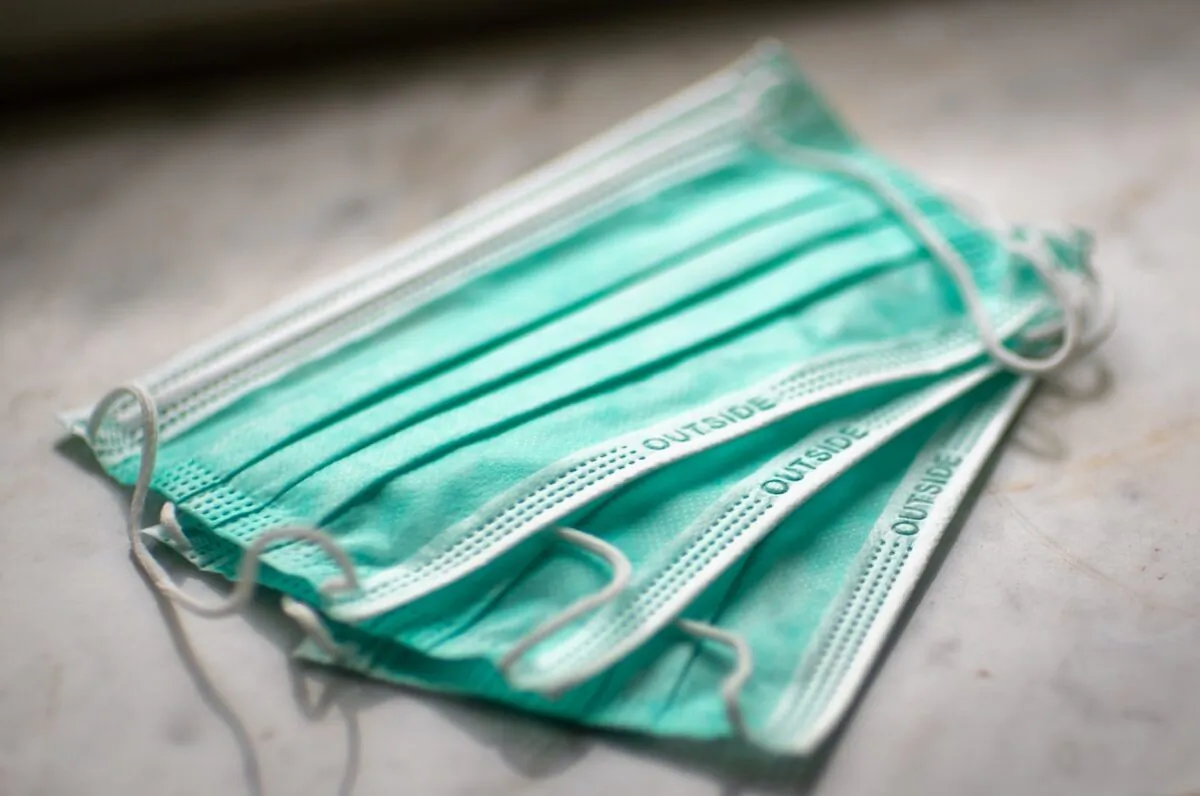
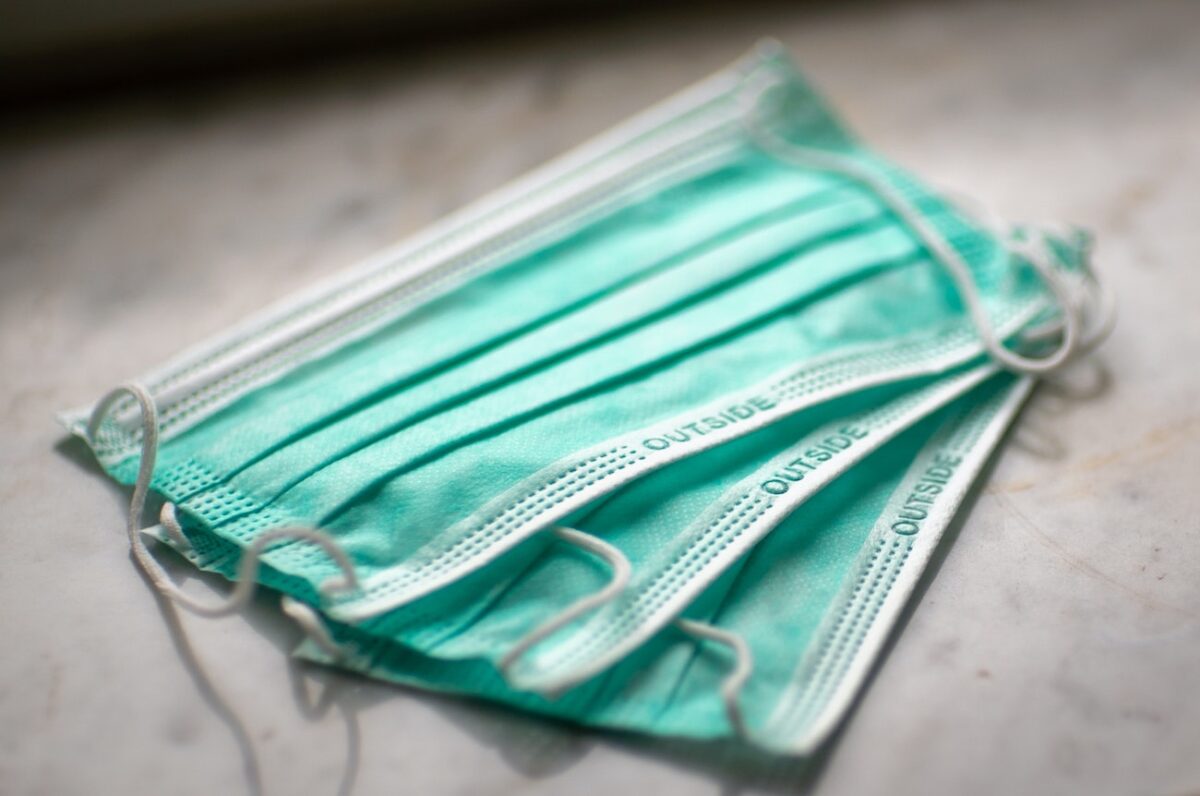
According to a notice to be published on Sept. 26, the Commerce Department had launched a Section 232 investigation on Sept. 2 into a wide range of health care-related products. The review will determine whether protective tariffs or quotas should be imposed on goods such as surgical masks, syringes, intravenous bags, pacemakers, wheelchairs, and hospital beds.
The probe also extends to pacemakers, insulin pumps, coronary stents, heart valves, hearing aids, prosthetics, blood glucose monitors, orthopedic devices, CT scanners, and MRI machines.
As part of the investigation, the Commerce Department is inviting members of the industry to comment on domestic demand for these products, as well as domestic manufacturing capacity and the impact of imports and foreign trade practices on the sector. The review will also focus on the potential for “foreign control or exploitation of supply chains” and whether such imports could be weaponized, according to the notice.
In a separate notice, the department said it had also launched a Section 232 investigation on Sept. 2 into robotics and industrial machinery. It covers robots and programmable, computer-controlled systems; automatic tool changers, jigs, and fixtures; machine tools for cutting, welding, and handling workpieces; metal forming and cutting equipment; and laser- and water-cutting tools.
The probe similarly asks companies to comment on projected demand, the ability of U.S. producers to meet domestic needs, and the role of foreign supply chains.
The department will open a 21-day public comment period for industry stakeholders once both notices are published.
The investigations add to a growing list of industries under Section 232 review by the Trump administration. Previous actions have already led to tariffs of 25 percent on steel and aluminum imports, which later doubled to 50 percent, as well as a 25 percent tariff on cars and auto parts produced outside the United States.
Pharmaceuticals and semiconductors, two sectors seen as strategically sensitive, are also under review.
In April, the Commerce Department initiated Section 232 investigations into pharmaceutical imports and active pharmaceutical ingredients. A report from the U.S. Pharmacopeia that month noted that the United States produces only about 12 percent of the ingredients for the nation’s generic drug supply, relying heavily on imports from India, Europe, and China.
That same month, the department also opened a Section 232 investigation into semiconductors and semiconductor manufacturing equipment. In 2024, the United States imported $46.3 billion worth of semiconductors—about $10 billion more than it exported, even as the Biden administration worked to expand domestic capacity through government subsidies under the 2022 CHIPS Act. The country also remains heavily dependent on imported materials and chemical inputs critical to chipmaking.
In August, President Donald Trump said he intended to impose tariffs of up to 250 percent on pharmaceuticals and 100 percent on semiconductor imports. The administration has not yet implemented those measures.
 Friends Read Free
Copy
Facebook
Tweet
Friends Read Free
Copy
Facebook
Tweet