
The Centers for Disease Control and Prevention (CDC) reported Tuesday that U.S. cases of cyclosporiasis have reached 17,180, an increase of more than 9 percent from the week before.
The numbers run from May 1 through Aug. 24, covering 48 states and the District of Columbia. Hospitalizations stand at 922, with two people having died. Both were in Michigan and had pre-existing conditions.
At least 11,844 extra cases need lab confirmation or more investigation to determine the source of infection.
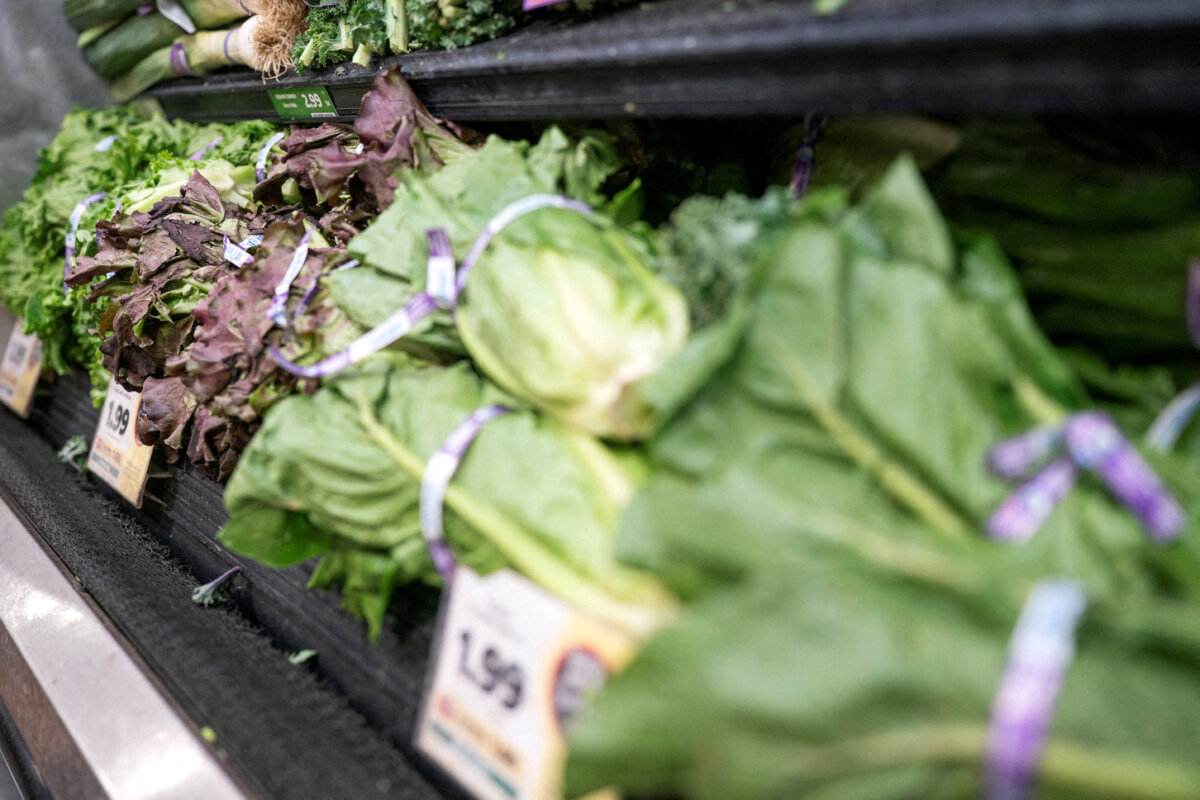
The count includes the multistate outbreak tied to recalled iceberg lettuce, as CDC says it’s also investigating at least six more clusters, the sources of which remain unknown.
Michigan remains the hardest hit state, with cases increasing 3 percent last week to 14,277.
On Aug. 19, CDC listed 15,716 confirmed domestic cases, about 1,800 higher than the week before, an increase of about 13 percent. Roughly half those earlier cases clustered in Illinois, Indiana, Michigan, North Carolina, and Ohio.
“The true number of people sick with cyclosporiasis is likely higher than the number reported,” the CDC said. “This is because some people recover without medical care and are not tested for Cyclospora.” Patients in that earlier count ranged from age 1 to 99. Illness onset spanned from May 1 to Aug. 13.
The outbreak, one of the largest foodborne illness events in recent U.S. history, is caused by the cyclospora parasite, which lives in food or water tainted with feces. Symptoms include diarrhea, nausea and other gut trouble. The illness generally starts about a week after infection and can last for a few days or longer than a month. Doctors advise people with symptoms to stay hydrated.
Cases crop up every year, mostly in late spring and summer. Last year, only 1,180 cases were reported in the United States from May 1 to Aug. 31.
This year’s jump has been sharp, with many of the sick residing in the middle of the country.
The Food and Drug Administration traced the lettuce in question back to Taylor Farms. The company recalled products from Mexico in July. Recalled lettuce should no longer be on store shelves or in restaurants as enough time has passed to move infected products through the supply chain, according to the CDC.
Michigan officials on Aug. 6 dropped their broader warnings against lettuce and salad greens as new cases and diarrhea-related emergency room visits had fallen. They still advise people to avoid the recalled product.
“As new data has emerged, our guidance has evolved to reflect the best available evidence,” Dr. Natasha Bagdasarian, chief medical executive for Michigan Department of Health and Human Services said at the time.
 Friends Read Free
Copy
Facebook
Tweet
Friends Read Free
Copy
Facebook
Tweet