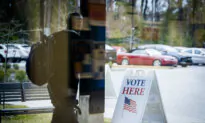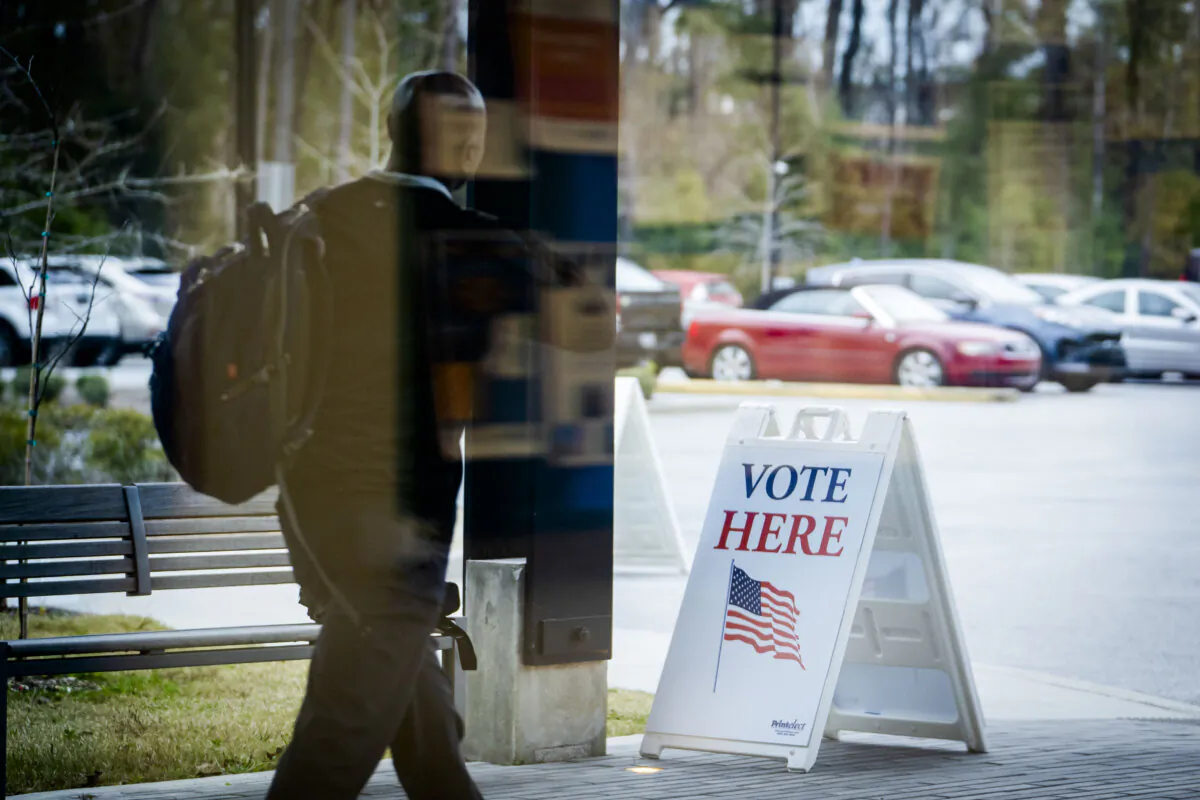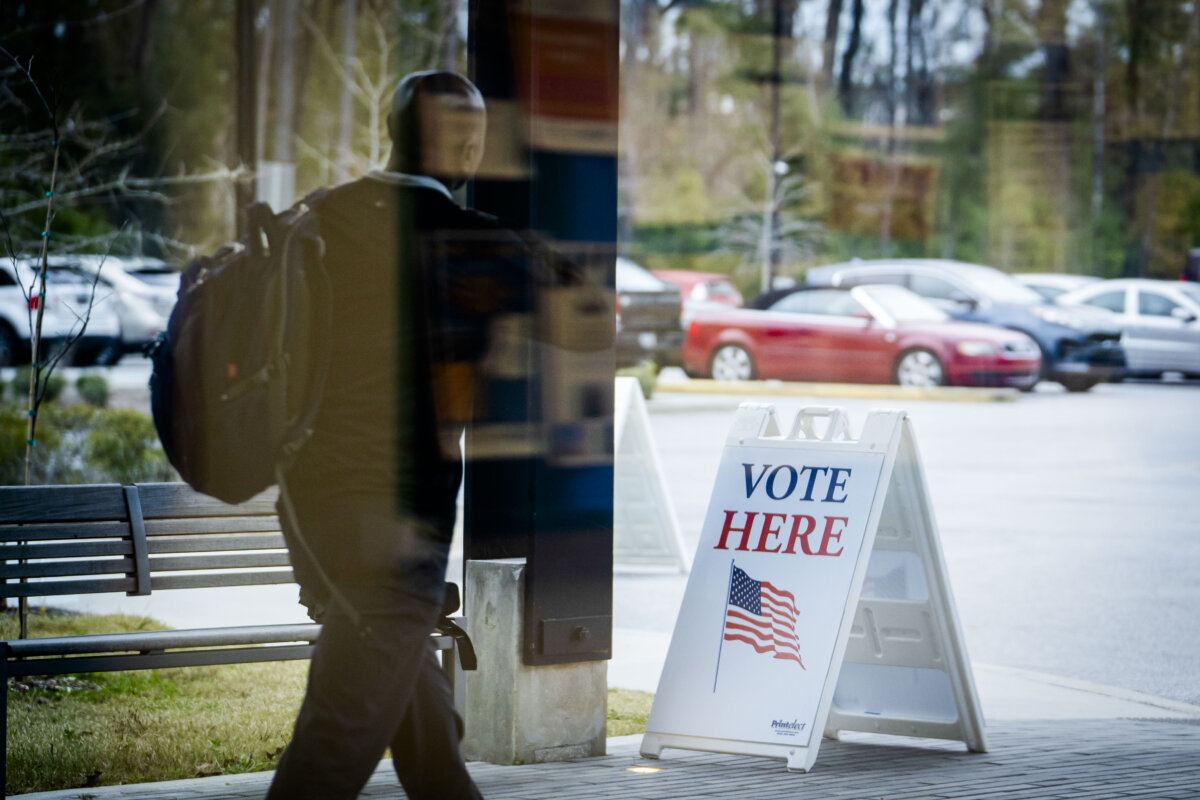

The Department of Justice’s (DOJ) Civil Rights Division will be monitoring polling sites in South Carolina for the state primary runoff election.
The DOJ said on Aug. 25 that the department hopes to ensure “transparency, ballot security, and compliance with federal law.”
The monitoring will take place at polls in Charleston County, South Carolina, utilizing four Civil Rights Division attorneys, one South Carolina Assistant U.S. Attorney, and one staff employee with the South Carolina U.S. Attorney’s Office.
The Civil Rights Division’s job is to enforce federal voting laws and protect citizens’ voting rights.
“South Carolina is the next stop in our ongoing effort to ensure election transparency,” said Assistant Attorney General Harmeet K. Dhillon of the Civil Rights Division in a statement.
“We appreciate the cooperation of the State of South Carolina, the County of Charleston, and the South Carolina United States Attorney’s Office in helping make this monitoring effort an exemplary one for promoting trust.”
In total, the DOJ has sent 80 election monitors to seven states and more than 200 polling locations this primary season.
South Carolina is the scene of an election to replace the late Sen. Lindsey Graham, who died on July 11 of this year at the age of 71.
The senator was elected to the Senate in 2002 and was a close political ally of President Donald Trump.
Trump went to South Carolina in support of Sen. Darline Graham (R-S.C.), who was appointed to serve in her brother’s place in mid-July.
“We need every South Carolina patriot to go to the polls and vote for Darline Graham,” Trump told Republican voters gathered in Myrtle Beach on Aug. 21.
“With your help this November, we’re going to stop the radical left Democrat communists here in South Carolina and all across the nation,” Trump said. “The first step is winning the runoff election this Tuesday. You have to get out Aug. 25. You have to get out and vote.”
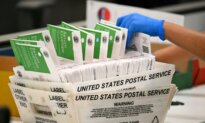
Election security has been a key issue as the November election approaches. New Jersey made headlines after it was found that tens of thousands of noncitizens were registered to vote in the state.
Homeland Security Secretary Markwayne Mullin said earlier this month that the Department of Homeland Security will work with New Jersey to rectify the problem.
In Texas, a federal appeals court overturned a lower court ruling and restored provisions from the state’s 2021 Election Protection and Integrity Act, which focused on possible ballot harvesting.
The court ruled on Aug. 13 to reinstate the law, which requires voters to provide a driver’s license ID number or the last four digits of a Social Security number on ballot applications.
 Friends Read Free
Copy
Facebook
Tweet
Friends Read Free
Copy
Facebook
Tweet