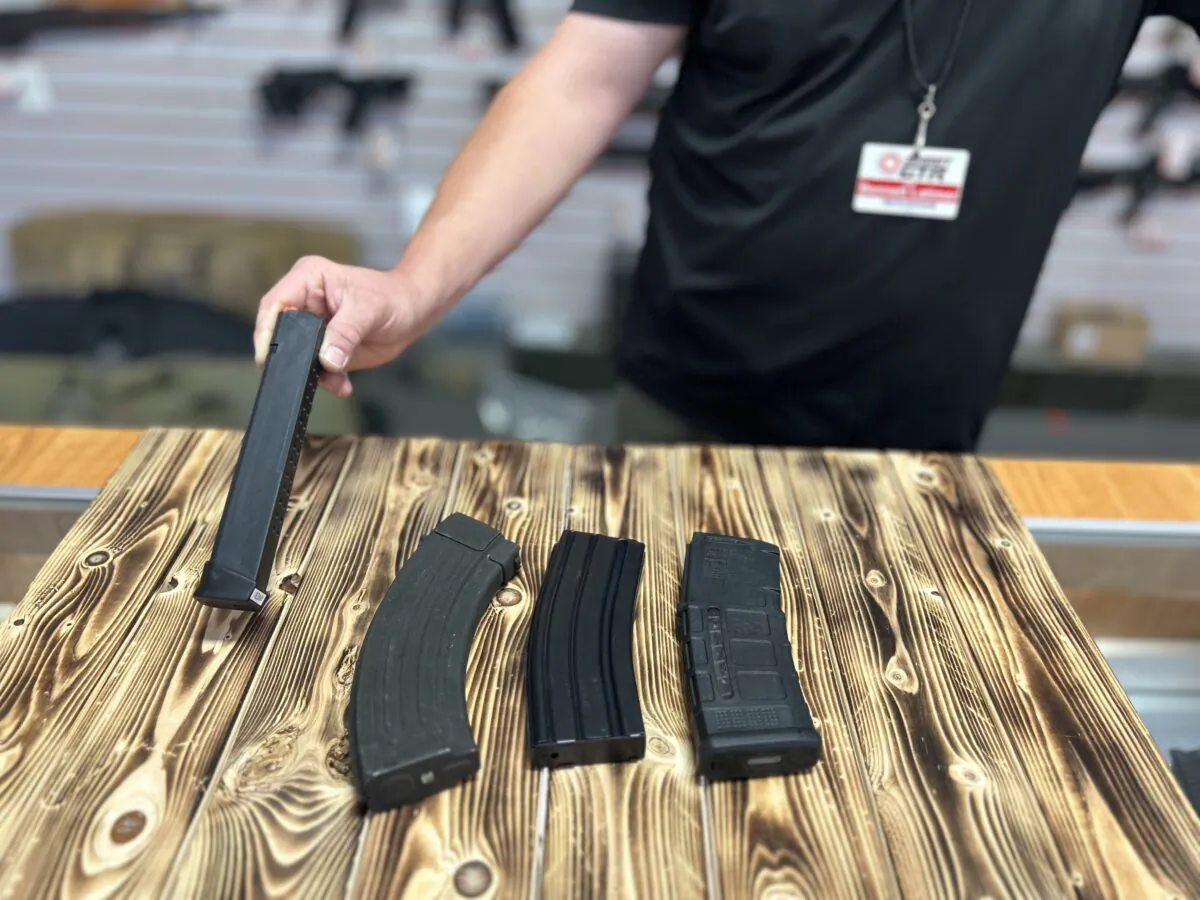

The U.S. Department of Justice sued the state of Colorado and the Colorado Department of Public Safety over its ban on certain ammunition magazines compatible with so-called assault weapons in the U.S. District Court for the District of Colorado on May 6.
Colorado Revised Statute 18-12-302(1)(a) defines “large-capacity magazines” as a “fixed or detachable magazine, box, drum, feed strip, or similar device capable of accepting, or that is designed to be readily converted to accept, more than fifteen rounds of ammunition.”
It also includes “a fixed, tubular shotgun magazine that holds more than 28 inches of shotgun shells, including any extension device … attached to the magazine [for] additional shotgun shells; or a nontubular, detachable magazine, box, drum, feed strip, or similar device … capable of accepting more than eight shotgun shells when combined with a fixed magazine.”
The lawsuit calls the statute’s language “politically charged rhetoric.”
“The Magazine Ban’s characterization of these magazines as ‘large capacity’ is a misnomer, because magazines capable of holding more than 15 rounds are, in fact, standard capacity magazines for many popular firearms, including the AR-15 rifle, the most popular rifle in America,” the lawsuit states.
The DOJ contends that the law fails to meet the standard set in the 2022 Supreme Court case New York State Rifle and Pistol Association Inc. v. Bruen.
In Bruen, the court ruled that the Second Amendment protects an individual’s right to carry a gun and requires gun laws to have an analog in the United States’ history and tradition of gun regulations.
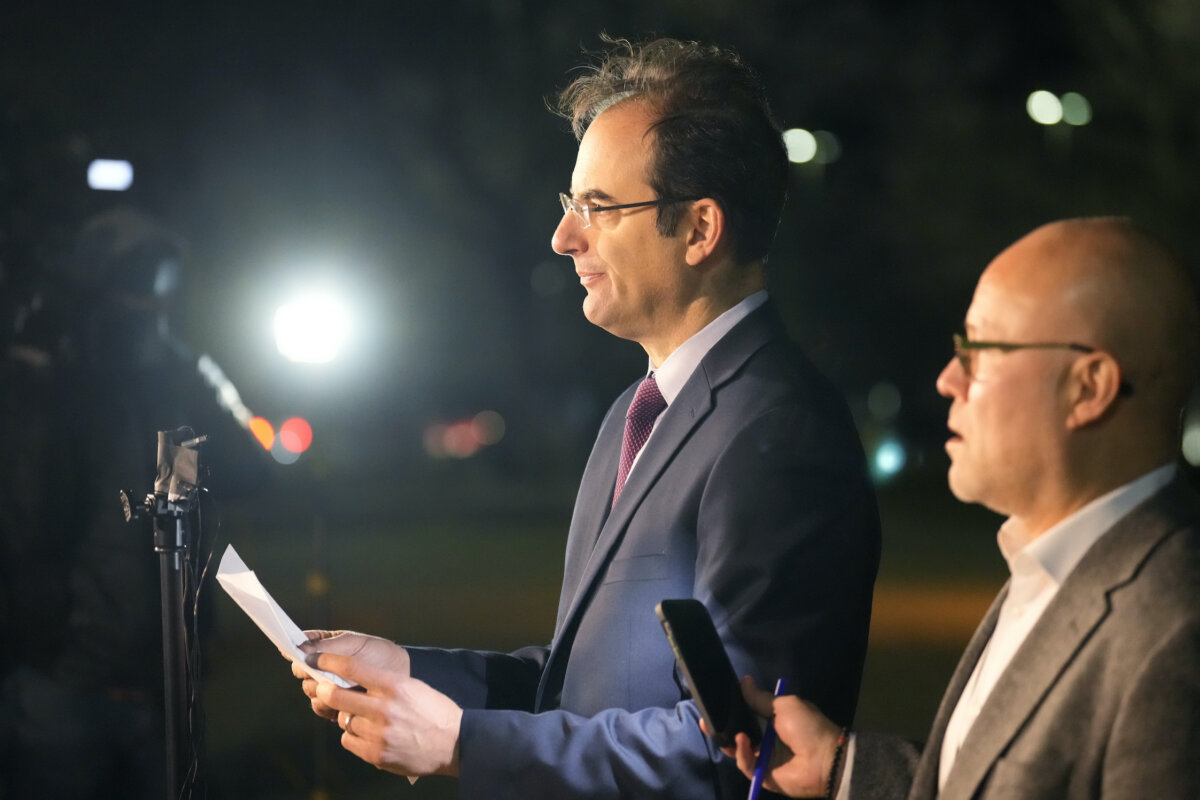
Colorado’s attorney general, Phil Weiser, issued a statement on May 6 vowing to defend the ban. The law has been upheld by the Colorado Supreme Court, and Weiser said he is confident it will withstand the DOJ’s legal challenge.
“Using federal civil rights law to put Coloradans at greater risk of gun violence is a dangerous overreach by the Justice Department and this lawsuit turns the mission of the DOJ’s Civil Rights Division on its head,” Weiser’s statement reads.
“The state has a duty to protect Colorado residents from gun violence, and I will vigorously defend our state large-capacity magazine limit law from this attack by the Trump Justice Department.”
Assistant Attorney General Harmeet Dhillon, of the DOJ’s Civil Rights Division, countered that the law violates the Second Amendment. In a press release announcing the lawsuit, Dhillon stated that the Civil Rights Division will defend Second Amendment rights as vigorously as other rights.
“Colorado’s ban on certain magazines is political virtue signaling at the expense of Americans’ constitutional right to keep and bear arms,” she stated. “[The] Second Amendment Section will continue to defend law-abiding Americans’ rights against unconstitutional restrictions on their right to possess arms which are owned by tens of millions of their fellow citizens.”
This is the second legal action in as many days over Colorado gun laws.
On May 5, the DOJ sued the city of Denver over its 37-year-old ban on so-called assault weapons.
The DOJ sued after Denver Mayor Mike Johnston said the city would not comply with the DOJ’s demand that the city repeal the ban, agree that it’s unconstitutional, and accept an injunction prohibiting its enforcement.
“Denver’s law has stood for 37 years because it works, it saves lives, and it reflects the values of our community,” Johnston said. “No demand or lawsuit from Washington is going to change that.”
 Friends Read Free
Copy
Facebook
Tweet
Friends Read Free
Copy
Facebook
Tweet