
A former senior Federal Reserve official has been sentenced to more than three years in prison for lying to federal investigators about sharing sensitive economic information with Chinese intelligence operatives.
John Harold Rogers, 64, was senior adviser for the international finance division of the Federal Reserve Board of Governors, the main governing body for the U.S. central bank, from 2010 to 2021.
He was arrested in January 2025 and convicted by a jury on Feb. 3 of making false statements to investigators conducting the probe, but acquitted on a charge of conspiracy to commit economic espionage.
On July 15, U.S. District Judge Dabney L. Friedrich sentenced Rogers to 38 months in federal prison, followed by 12 months of supervised release.
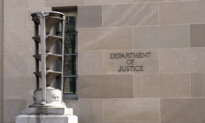
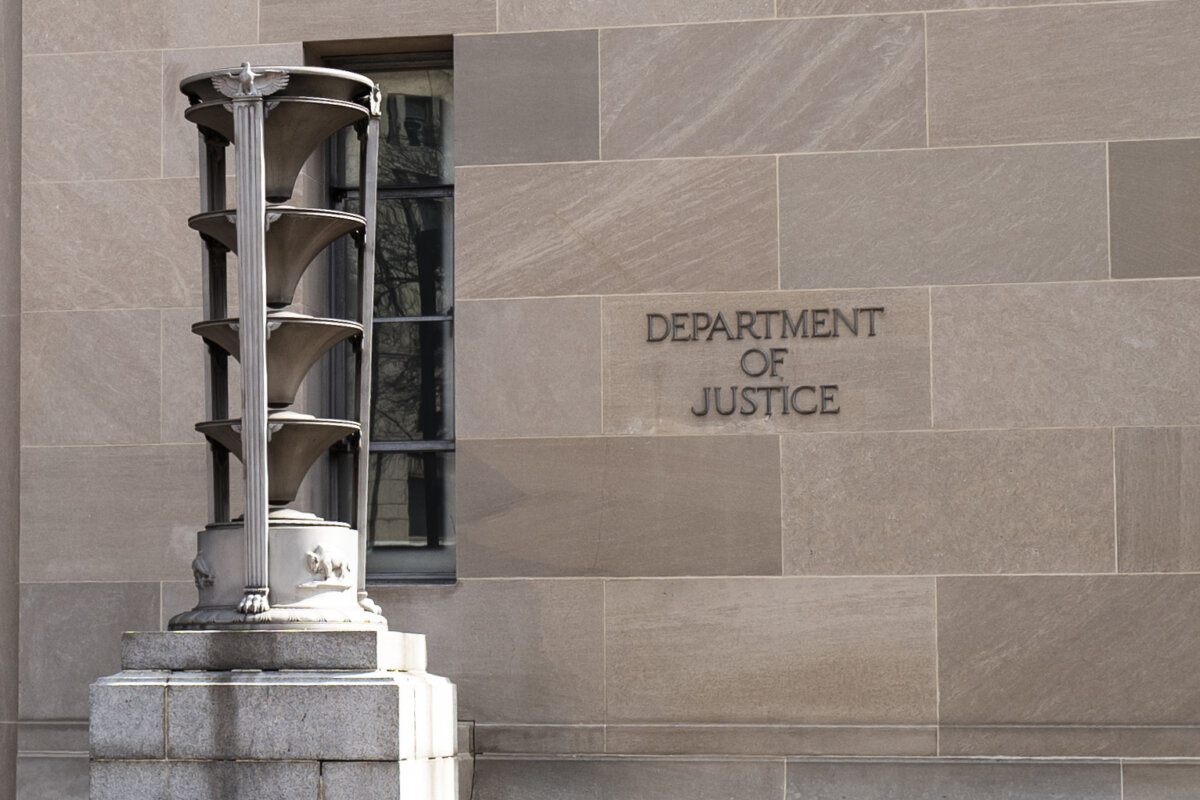
“John Rogers spent years secretly funneling sensitive Federal Reserve information to Chinese spies, then looked investigators in the eye and lied about it. And when that wasn’t enough, he lied again under oath at trial,” U.S. Attorney Jeanine Ferris Pirro of the District of Columbia said in a statement.
“Federal Reserve employees entrusted with America’s most sensitive economic information cannot sell out their country and their colleagues for personal gain and then expect to hide behind a single word.”
Rogers, of Vienna, Virginia, is a U.S. citizen who holds a doctoral degree in economics from the University of Virginia.
‘Deliberately Lied’
Rogers began developing a “clandestine relationship” with Chinese intelligence operative Lee Hummin in 2017, after the two met at a conference in China, according to prosecutors.
In the years that followed, Rogers met with Lee and other Chinese associates in hotel rooms in China, using academic classes as a cover while sharing Fed information that Lee had directed him to collect.
His role as senior adviser gave Rogers access to confidential information from the Federal Reserve Board and the Federal Open Market Committee (FOMC), according to his indictment.
The FOMC, the Federal Reserve System’s monetary policymaking body, sets the target range for the federal funds rate and directs monetary policy actions, including quantitative easing and tightening.
FOMC information is classified under a three-tier system based on its sensitivity, according to the indictment. The highest tier, or Class I, includes policymaker views and pre-publication drafts of the committee’s statements, while Class II covers economic forecasts and open market operations.
In a sentencing memorandum filed in May, prosecutors said Rogers printed Class II FOMC documents and took them with him on a trip to China in June 2019. In another instance, prosecutors said he removed the Class II markings from information and sent it to his personal email account before forwarding it to a professor at China’s state-run Fudan University in Shanghai.
On Feb. 4, 2020, investigators from the Fed’s Office of Inspector General interviewed Rogers and asked if he had ever shared restricted Fed information outside the Federal Reserve Board. According to prosecutors, he replied, “Never.”
“John Rogers deliberately lied to our investigators to conceal the fact he shared restricted non-public Federal Reserve information with intelligence agents working for China,” Michael E. Horowitz, inspector general for the Board of Governors of the Federal Reserve System and Consumer Financial Protection Bureau, said in a July 15 statement.
‘Abused His Position of Trust’
Prosecutors had sought a 60-month prison sentence against Rogers, saying he had “abused his position of trust,” according to the sentencing memorandum.
“He knew that the restricted information he provided to the PRC government could allow it to make untold sums of money by trading with its roughly $1.5 trillion in U.S. Treasury securities and related instruments,” prosecutors wrote, using the acronym of China’s official name, the People’s Republic of China.
After leaving the Fed, he became a professor at Fudan University. According to the sentencing memorandum, he earned at least $900,000 in salary and grants from Fudan University from February 2022 until his arrest in January 2025.
In exchange for the restricted information, Rogers received “tens of thousands of dollars in benefits,” and told investigators that he “owe[d] everything to” Lee.
“Through Hummin Lee, the PRC provided the defendant with a new wife, a new family, money, friendship, and professorships at prestigious universities,” prosecutors wrote.
Prosecutors argued that a 60-month sentence would serve as a general deterrent because Beijing is known for recruiting current and former U.S. government officials with access to sensitive information.
“The recruitment pattern the evidence established in this case—a foreign intelligence service cultivating a target over years through the gradual development of personal affection and indebtedness, before progressively tasking the target with increasingly sensitive intelligence collection—is not unique to the defendant,” prosecutors wrote.
Rogers’s lawyers, in their sentencing memorandum filed in May, asked the court to sentence him to time served, noting that he had been detained for more than 16 months, citing his poor health and “regrets [for] having provided an incorrect and imprecise answer” during his 2020 interview with investigators.
“Dr. Rogers recognizes that such conduct is wrong for a federal employee in a position of trust and he regrets having made the statement,” his lawyers wrote.
The Epoch Times contacted Rogers’s lawyers for comment but didn’t receive a response by publication time.
 Friends Read Free
Copy
Facebook
Tweet
Friends Read Free
Copy
Facebook
Tweet