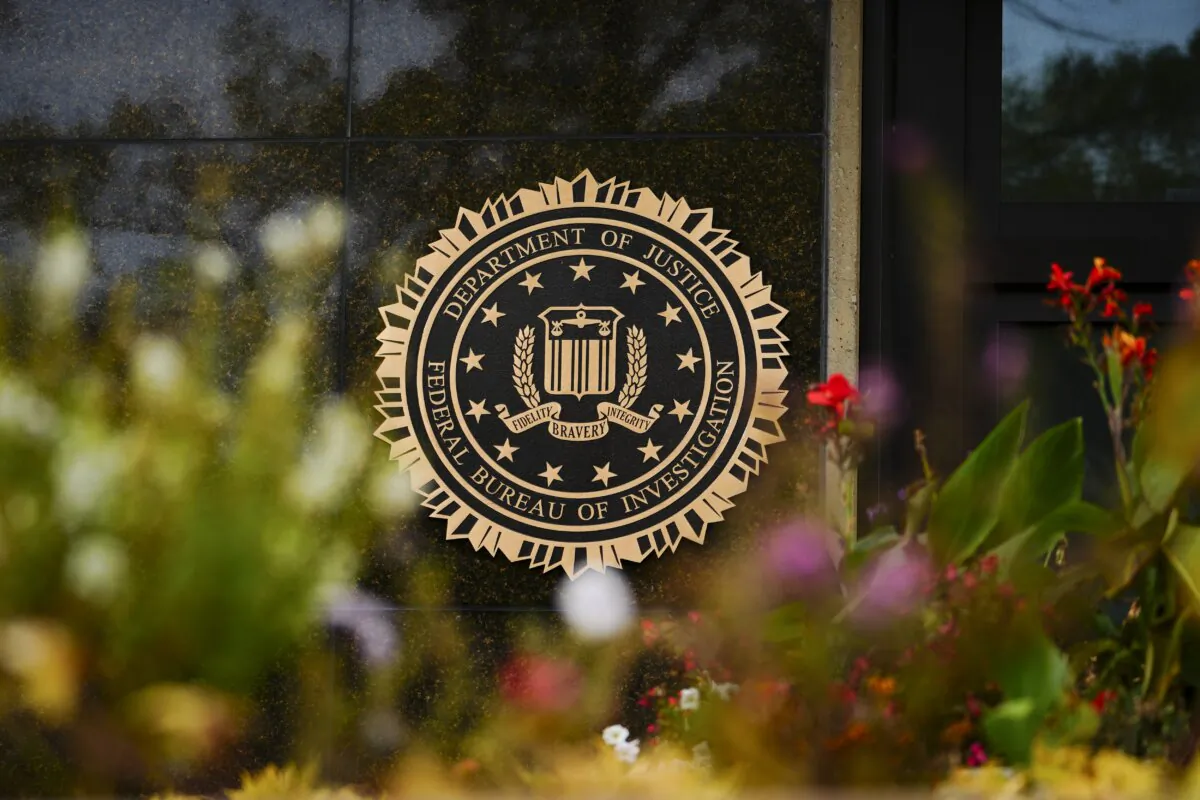

The FBI in 2020 blocked a probe of suspected Chinese interference into U.S. elections for fear of contradicting then-Director Christopher Wray’s public testimony, newly released records indicate.
Internal emails, which Senate Judiciary Committee Chairman Sen. Chuck Grassley (R-Iowa) made public on July 1, showed the agency initially releasing an intelligence report raising concerns about possible fraudulent mail-in ballot voting efforts from China, then recalling the alert on the same day as it attracted high attention.
In the emails, the FBI headquarters cited reliability questions as the rationale for the recall and instructed the Albany office, which had put out the file, to reinterview the source for further information.
The re-issue never materialized despite additional context from the Albany office supporting the initial claim. When asked about the reason, the headquarters stated in an email, “The reporting will contradict Director Wray’s testimony.”
“Based on conversations with key individuals involved, it was conveyed that the recall of the [Intelligence Information Reports (IIR)] was abnormal,” FBI Assistant Director Marshall Yates wrote in a June 27 letter to Grassley. The recall decision “raised serious questions about the integrity of the intelligence reporting process and its susceptibility to perceived political pressures,” he said.
“As seen in today’s production, the source appeared to be reliable, and the FBI did not close the source for cause or lack of credible information.”
‘No Reason to Recall’
The intelligence report that circulated on Sept. 25, 2020, originated from a confidential source who said that the Chinese authorities had produced a large amount of fake U.S. driver’s licenses late that August and “secretly exported” them to the United States, allowing for “tens of thousands of Chinese students and immigrants sympathetic to the Chinese Communist Party” to vote for President Donald Trump’s rival, Joe Biden, in the impending election. The source said a subsource supplied the information, which had been obtained from unidentified Chinese officials, according to the report.
In late July 2020, the Customs and Border Protection officers revealed the seizure of nearly 20,000 counterfeit driver’s licenses at Chicago’s O’Hare International Airport over a half-year period, with them mostly coming from China and heading to neighboring states for college-age students.
At about noon on Sept. 25, an Albany agent told others involved in preparing the report that the FBI headquarters had requested to get advance notice on any future election-related report dissemination.
“Something in the IIR process is definitely going well if we receive a call within a few hours from HQ about one of our IIRs. Nicely done!” the agent wrote. The agent added that the report “was coordinated and disseminated in textbook fashion.”
That afternoon, an email from the Albany office read, “We have no reason to recall at this point,” noting that it had been actively trying to recontact the source.
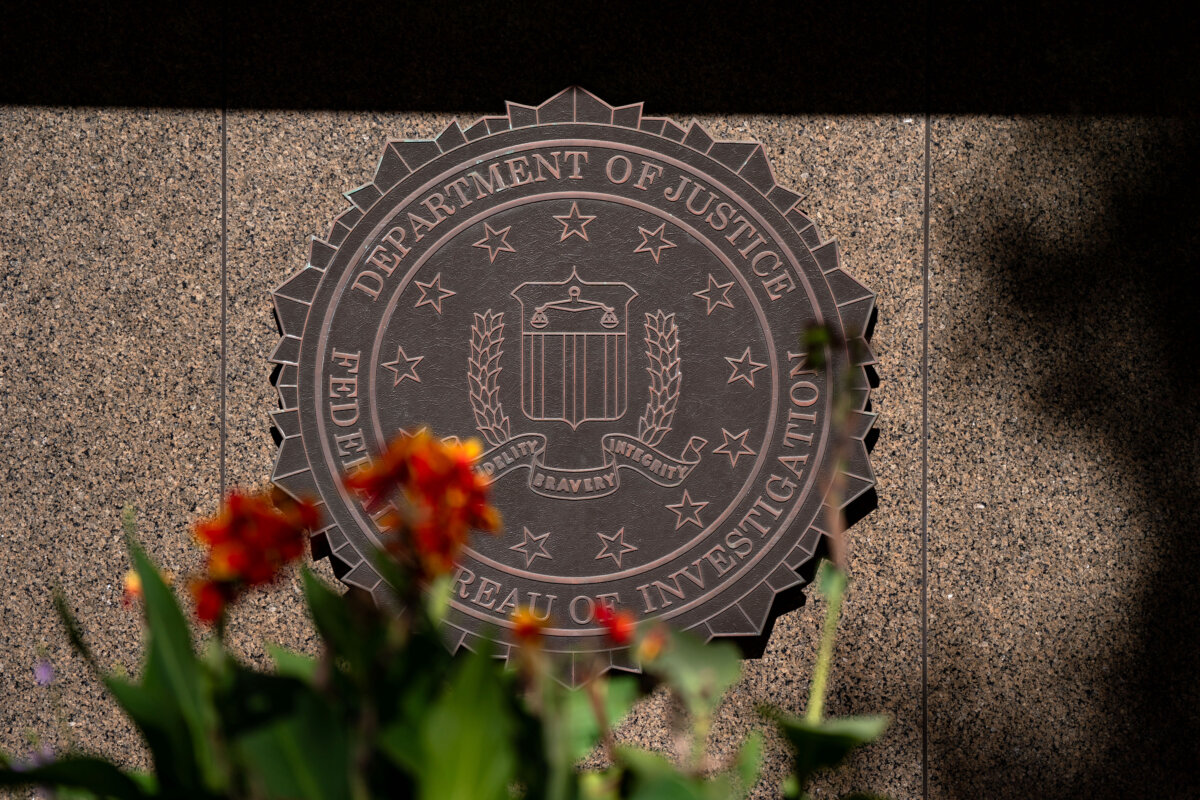
Minutes later, though, the FBI’s criminal investigative division emailed, saying that the deputy assistant directors for the counterintelligence and cyber divisions—Nikki Floris and Tonya Ugoretz—were “directly requesting” the report’s recall until the source is re-interviewed.
Three days later, an email from Albany informed the involved FBI agents that the headquarters had set a new oversight requirement regarding election-related information.
“Not surprisingly, all raw reporting concerning the election will now require HQ coordination, which was not required as of last week,” the agent wrote.
The source met the Albany FBI contact that day and provided the name, age, and other details about the China-based individual who raised the allegations. The two had got in touch on Telegram, the source told the FBI, describing the China-based person as a “cautious individual,” “not a member of the Chinese Communist Party” but rather someone who “came across as a supporter of the pre-1949 Chinese government,” before the communist takeover.
“The case agent believes the source is competent and is authentic in his/her reporting,” a Sept. 29 email reads. It said that the source is “very very confident” in the reliability of the subsource’s information, in the 9 to 10 range on a scale of 1 to 10.
‘Troubling’ Decision
The headquarters had expressed skepticism about the allegations from the beginning.
Testifying a day before the intelligence report’s circulation, Christopher Wray had told a Senate committee that they “have not seen historically any kind of coordinated national voter fraud effort in a major election, whether it is by mail or otherwise.”
In a call with the Albany office, the headquarters indicated they “haven’t verified the alleged activity is occurring through other collection platforms,” and believe it could be part of the Chinese regime’s “disinformation campaign toward the election,” according to a Sept. 25 internal email.
Concerns about disagreeing with Wray’s testimony appeared in at least two emails after the FBI re-interview.
“Based on the conflict of this information to that of the wider USIC (United States Intelligence Community), the fact that it contradicts Director Wray’s testimony to Congress, and the importance to the current administration, I think we should be ready to back up the IIR with a minimum of the following information and treat it like it will be going in front of the President,” one email issued from the Albany office read, going on to outline a list of questions regarding the source.
The FBI contact with the source replied within the next half hour, saying FBI officials had decided that “there’s nothing new to report regarding the threat to the election.”
“Again, the reporting will contradict Director Wray’s testimony,” read one Sept. 30 email.
At least one FBI Albany intelligence analyst made clear a disagreement with the decision and questioned why “everyday operational and administrative” issues would need headquarters review.
“Most concerning to me, is stating the reporting would contradict with Director Wray’s testimony,” the analyst wrote. “I found this troubling because it implied to me that one of the reasons we aren’t putting this out is for a political reason, which goes directly against our organization’s mission to remain apolitical and simply state what we know. Likewise, at the field operational level, I do not feel it is our job to assess whether or not our intelligence aligns with the Director.”
The analyst contended that the FBI shouldn’t put out anything “reckless,” while knowing it to be false or something that will cause undue harm, but stressed that the agency makes up only “an incredibly small fraction of the intelligence community” and is “not in a sole position to determine a reporting’s validity.”
While it’s “entirely possible” that the subsource didn’t get the information from a Chinese official, “it’s also entirely possible that he did—(as just like in our own government),” the analyst stated, suggesting that the FBI draft an updated report and let the headquarters decide what to do with it.
“I think it gets dangerous if we cite potential political implications as reasons for not putting out our information,” the email read.
An intelligence analyst from the FBI Chicago division later consulted Albany for citing the intelligence report in an intelligence note and shared with the office a draft bullet point. The Albany office responded that the draft note had “captured the information appropriately,” noting that they were “in the process of re-disseminating” the report, which could lead to changes in the end note.
“Would love to read your paper when you’re done!” the email read.
The next day, on Oct. 8, 2020, an official from the FBI’s Foreign Influence Task Force told the Albany office they still considered the information “not authoritative” and had not approved its reissuance.
Yates told Grassley that except for a request for information to the U.S. Customs and Border Protection, they found no indication that the task force “aggressively investigated the reported information, despite corroborating intergovernmental reporting and logical investigative leads.”
While the recall notice ordered the memo’s destruction, Yates said that the related communications appear to have been preserved. He said the agency looks forward to continuing engagement with Grassley on the issue.
When asked if the agency plans to take any further action over the emails, an FBI official said the agency does not comment on personnel or disciplinary decisions.
“As we always do, the FBI is quickly working to right the wrongs of the past while rebuilding public confidence. The public deserves an FBI that is totally focused on defending the homeland and upholding the Constitution with integrity, and that’s exactly what they’ll get,” the official told The Epoch Times.
“As part of his mission to restore public trust in the FBI, Director [Kash] Patel promised the Bureau would work with Congressional leaders and representatives to give the American people the full truth about investigations, including around 2020—and that’s exactly what we’re doing.”
On the morning of July 2, Trump reposted an article on the FBI email without commenting.
Grassley said the records “smack of political decision-making and prove the Wray-led FBI to be a deeply broken institution.”
“Ahead of a high-stakes election happening amid an unprecedented global pandemic, the FBI turned its back on its national security mission,” he said in a statement. “One way or the other, intelligence must be fully investigated to determine whether it’s true, or if it’s just smoke and mirrors.”
Grassley thanked Patel, who has led the FBI since February, for his willingness to work together to “establish renewed transparency.”
“Now’s the time to rebuild the FBI’s trust,” Grassley said.
 Friends Read Free
Copy
Facebook
Tweet
Friends Read Free
Copy
Facebook
Tweet