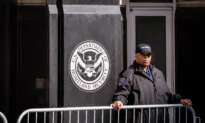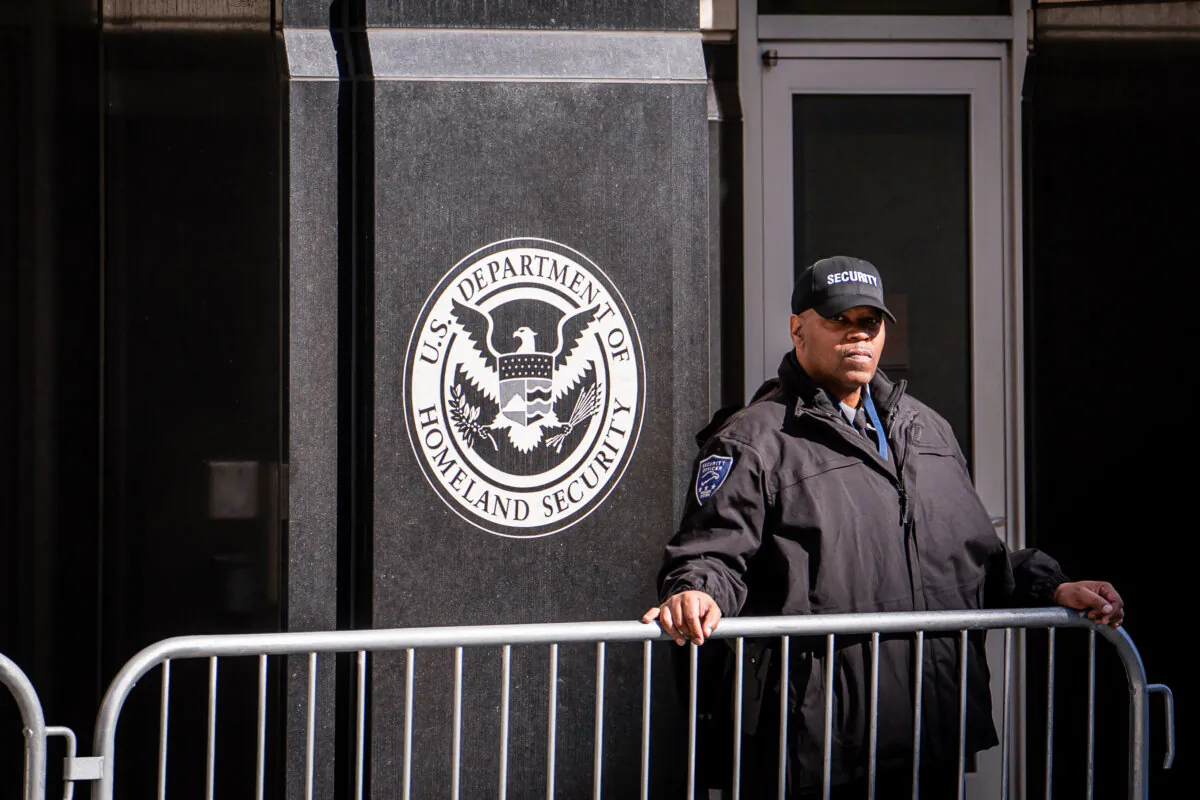

A federal judge on July 8 said the Trump administration must not comply with an order from another federal judge and must continue to have key functions of an immigration database disabled.
Judge Sparkle Sooknanan of the U.S. District Court for the District of Columbia said that officials with the Department of Homeland Security (DHS) and other agencies shall keep the ability to look up Social Security numbers and carry out mass uploads in the Systematic Alien Verification for Entitlements (SAVE) system disabled.
Sooknanan ordered the Trump administration in June to disable the features, finding that recent updates to the database violated privacy laws by disclosing Americans’ Social Security numbers and other sensitive information.
Sooknanan said on Wednesday that arguments from the government in favor of pausing her previous order were unpersuasive, including the argument that highlighted a July 7 ruling from Judge T. Kent Wetherell II of the U.S. District Court for the Northern District of Florida that ordered DHS to enable the functions for four states under a 2025 settlement he had approved.
Wetherell had noted that he could have waited until the case in Washington proceeded, but that the four states had presented “unrebutted evidence showing that they are suffering real and concrete harm every day that passes without the disabled features of the SAVE system.”
He said that Sooknanan could have deferred to Wetherell’s previous determination that the functions were lawful, which was reached, he said, in part because the Social Security Act does not preclude disclosing Social Security numbers for immigration enforcement.
Sooknanan disagreed, describing Wetherell as having “erred in significant ways,” including by reaching a decision on the merits in the case without opinions from parties outside the federal and state governments that oppose the governments’ position.
Sooknanan said that settlements may warrant reexamination and that she acted properly by enjoining DHS from allowing officials to use the new features introduced in 2025 despite the existence of the settlement.
Even if Wetherell’s ruling ends up holding, the settlement is only with DHS, not the Social Security Administration (SSA), and only with four states, the judge wrote, so it would not prompt a stay of her earlier order with respect to the other 46 states.
DHS, which had declined to comment on Wetherell’s decision, did not return a request for comment on Sooknanan’s ruling by the time of publication.
The four states have not reacted to the competing rulings.
The Electronic Privacy Information Center and the League of Women Voters, the plaintiffs in the case overseen by Sooknanan, asked Wetherell this week to allow them to intervene in the case involving the states, citing the contradictory orders and their interest in the situation. He has not yet ruled on the motion.
 Friends Read Free
Copy
Facebook
Tweet
Friends Read Free
Copy
Facebook
Tweet