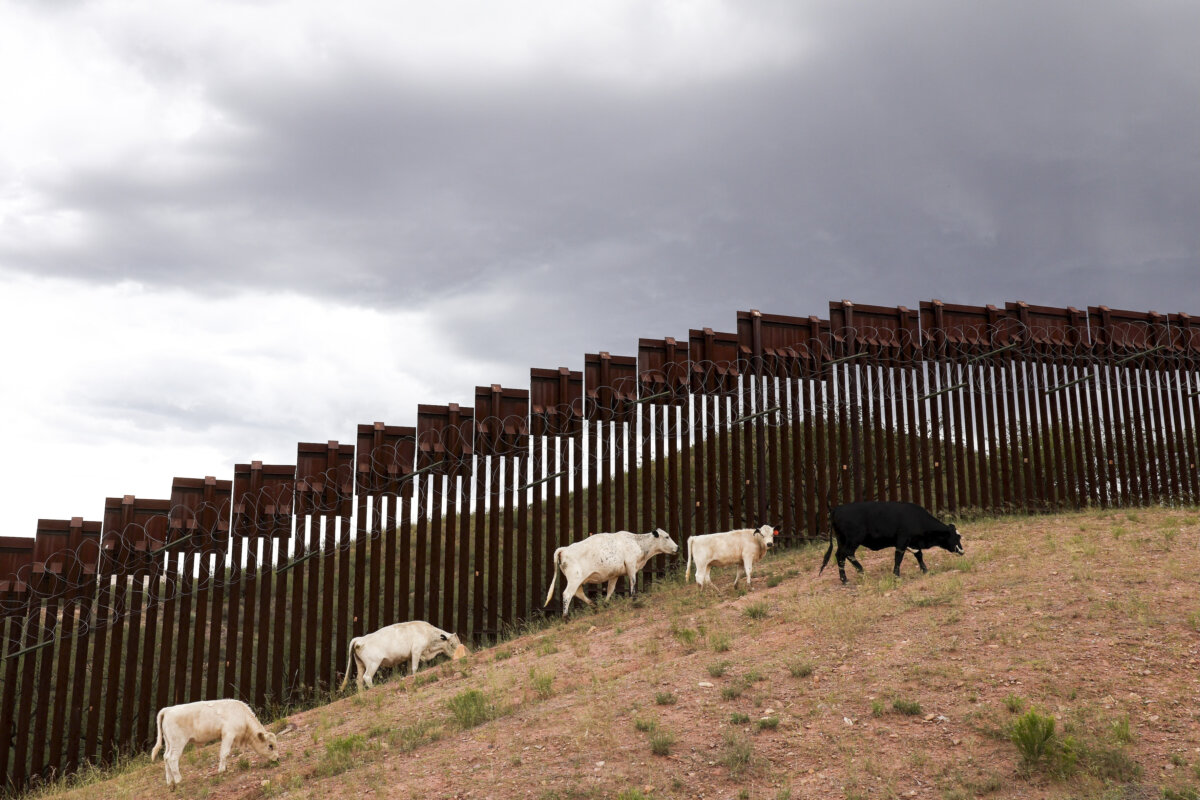

The U.S. Department of Agriculture (USDA) announced on June 3 that a 3-week-old calf in Zavala County, Texas, near the Mexican border, had been infected by the New World screwworm.
Two days later, a second case of the flesh-eating New World screwworm was detected in a 1-month-old calf in the same county, according to the department, just 5.6 miles away from the location of the first confirmed case.
South Texas cattlemen and landowners have closely monitored the parasite’s march northward from Panama since 2023.
The Texas cases mark the first outbreak of the flesh-eating parasite since Florida Key deer were infected in 2016.
Now, it is a race against the clock as federal and state officials scramble to stop the spread of screwworms that can infect animals and humans alike, causing horrific wounds that can be fatal if left untreated.
Potentially at risk is the $100 billion U.S. cattle industry.
The government’s main tool against the pest is the release of sterile flies, which eradicated the screwworm from Texas during a devastating infestation about 50 years ago.
Sterile males mate with females, causing them to lay unviable eggs—a key strategy in past eradications.
But now only 100 million such flies are produced each week at a single plant in Panama.
That is far short of the estimated 500 million flies that would need to be released weekly to push the screwworm back to the Darién Gap, a stretch of jungle between Panama and Colombia that was once a natural barrier, according to the USDA.
Here are five things to know about the fight to stop the screwworm in Texas.
Animal and Human Risk
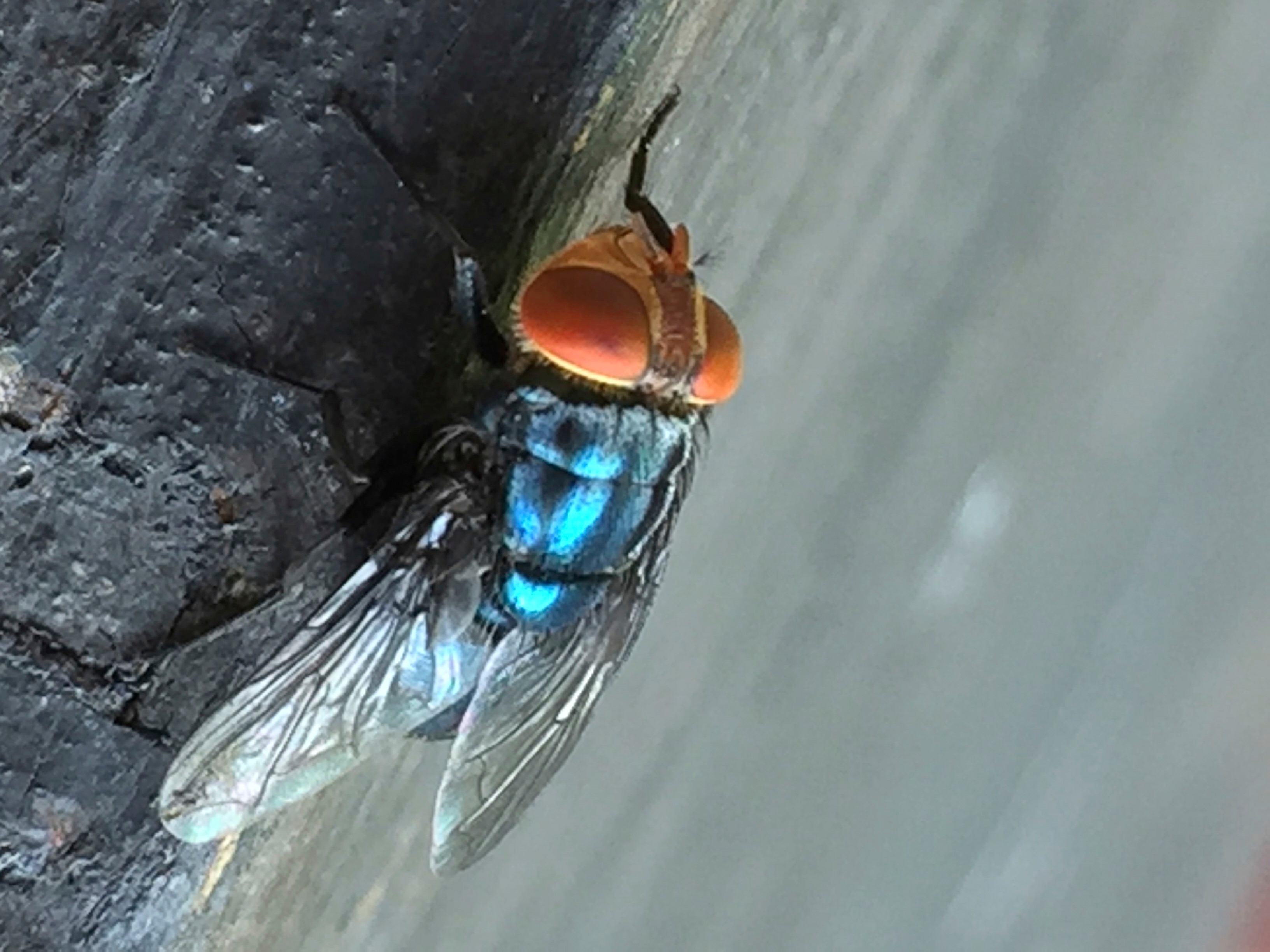
Screwworm infestations begin when a female screwworm fly lays eggs on a wound or the mucus membranes of a mammal.
A wound as minor as a tick bite can attract a female fly to feed. A single female can produce about 3,000 eggs in a lifespan that can last up to 30 days.
Eggs hatch into larvae, or maggots, that burrow into the flesh of animals and begin to eat. The last time screwworms were detected in Texas was 1966, followed by a major outbreak in 1972 with 90,000 reported cases. It was mostly contained by 1975.
Although not as common, human infections can occur. Such a case was documented at a Maryland hospital last August after a person returned from a visit to El Salvador.
Screwworm Battle Plan

During a June 5 news conference hosted by Texas Gov. Greg Abbott, before the second case was reported, Texas State Veterinarian Dr. Lewis Dinges said that the baby calf in the first case was recovering from a navel wound.
Adm. Michael Schmoyer, a member of the USDA’s screwworm response team, said the screwworm was originally expected to reach Texas last summer.
“Our aggressive actions have slowed down the pest,” Schmoyer said. “We knew it was a challenge because we did not have enough [sterile] flies yet.”
He assured the public that help is on the way, including the use of technology and strategies to slow the spread, as well as the production of more sterile flies designed to kill the pest.
The USDA gave Mexico $21 million to renovate a fruit fly production facility in Metapa, Mexico, to provide an additional 100 million sterile screwworm flies, he said.
That facility is expected to be completed by the end of June, and the additional flies will be available by the end of this year, he said.
USDA Secretary Brooke Rollins authorized the construction of an $8.5 million sterile insect dispersal facility at Moore Air Force Base in Edinburg, Texas, that was completed earlier this year.
The airbase would include a $750 million facility to boost domestic sterile fly production.
Schmoyer said the facility is due to come online in November of next year, providing at least another 100 million flies per week.
Abbott, who issued a statewide emergency declaration in January to help prevent a screwworm infestation, noted that Texas is willing to provide additional resources to accelerate the timeline, aiming to complete the facility by May of next year.
Abbott said the parasites tend to spread over the hot summer months, which means that the flies are needed in less than a year.
“During the winter months, it may kill off the flies or reduce their number,” he said. “We cannot make it through a second summer.”
US–Mexico Joint Effort
In addition to investing in a sterile fly facility, Rollins announced in an X post last September that 750,000 sterilized flies were being trucked in and dispersed in the Nuevo León region twice per week.
That was the location of a confirmed case in Mexico last year, 70 miles from the Texas border.
The Mexican Secretariat of Agriculture reported that the parasite was detected in two unrelated cattle shipments from the Veracruz area of southern Mexico, north of Nuevo León, in September 2025 and October 2025.
Last November, the USDA announced the opening of a sterile fly dispersal facility in Tampico, Mexico. The Tampico facility allowed the USDA to disperse sterile flies by air across northeastern Mexico, including Nuevo León.
Impact on Cattle Industry
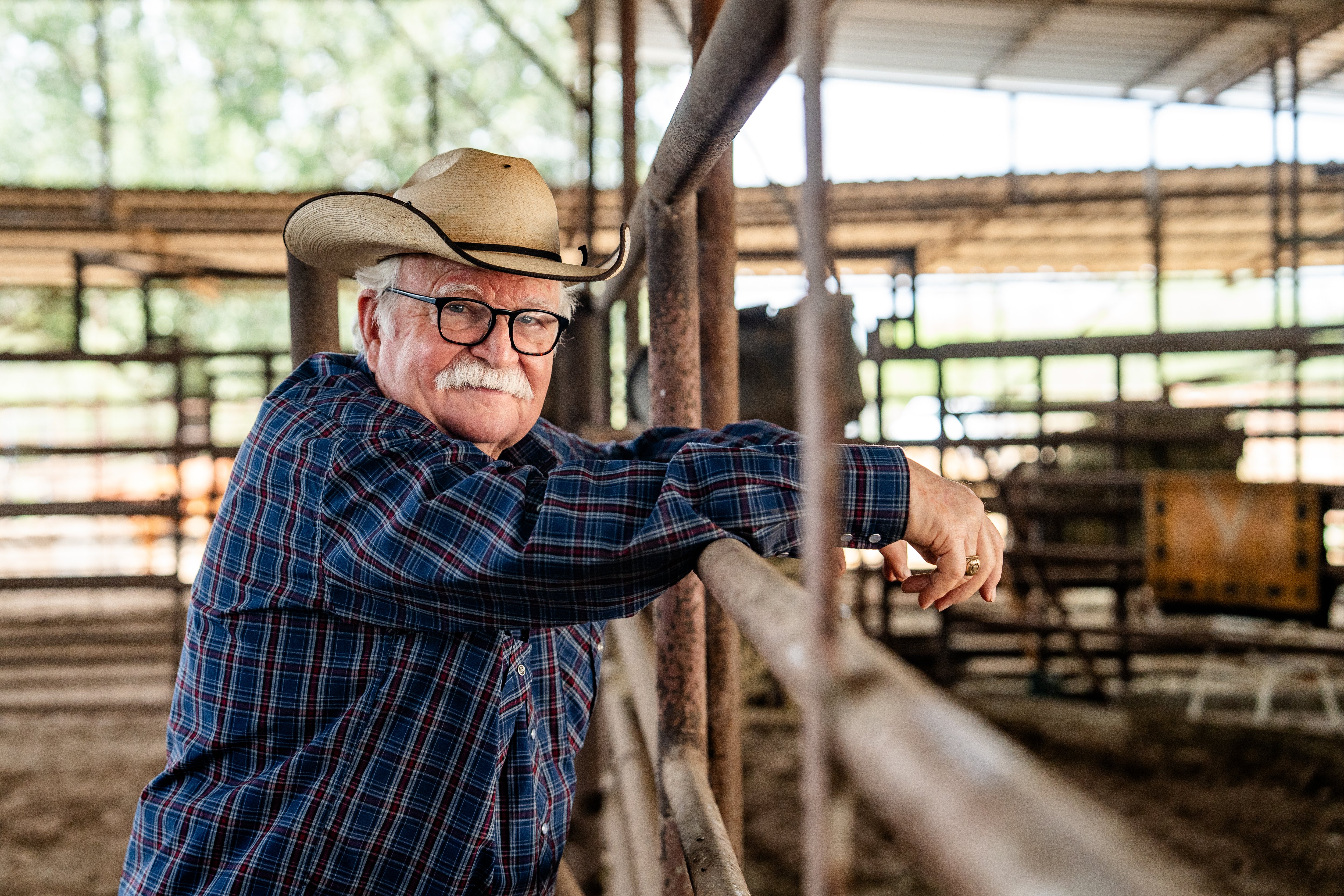
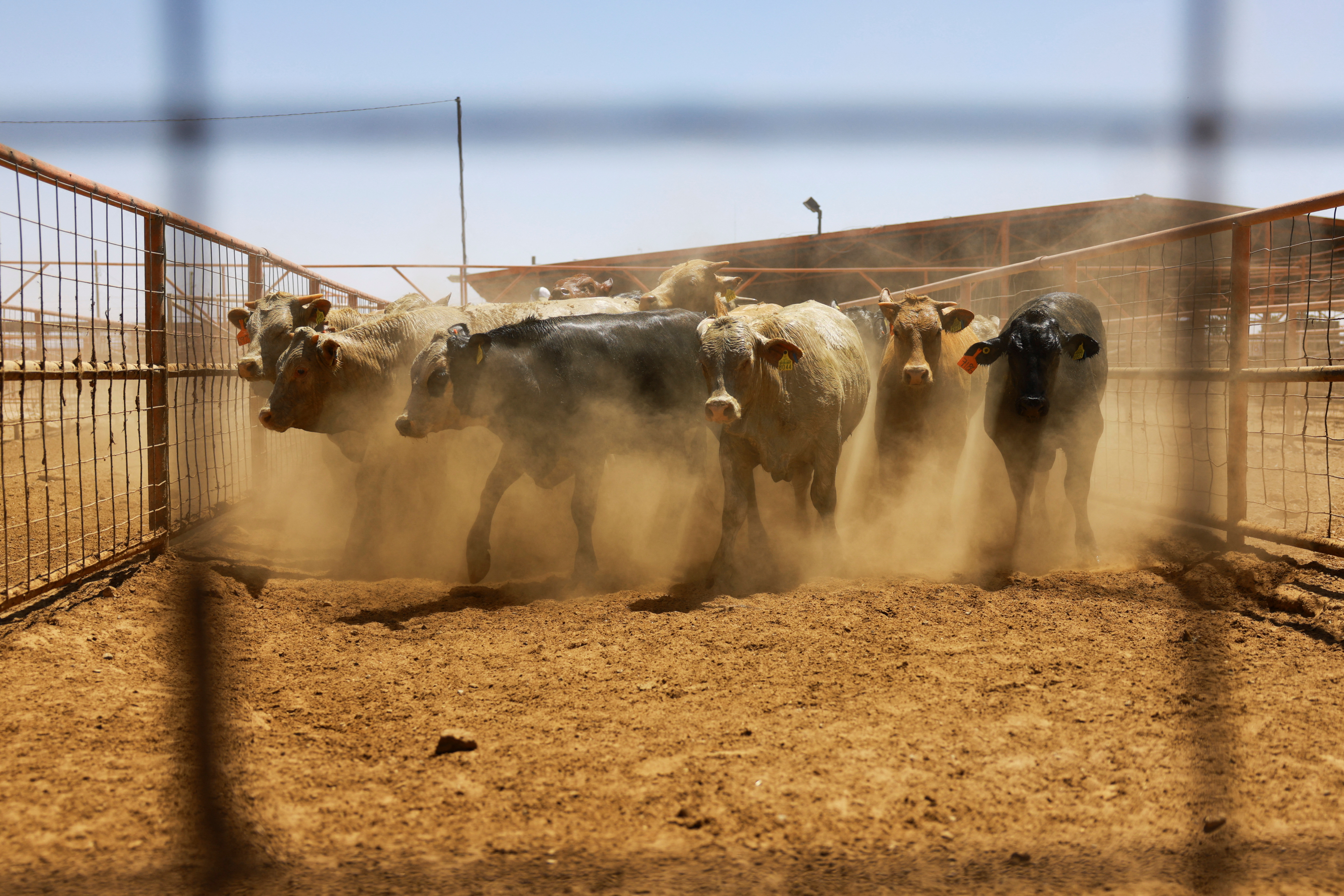
A screwworm outbreak could cost Texas’s livestock industry alone up to $1.8 billion in economic losses, according to experts.
Last summer, the USDA blocked imports of Mexican cattle to reduce the risk that the parasite would enter Texas. Officials at the news conference said that Mexico is attempting to process more cattle within its borders to help alleviate pressure on beef prices.
The U.S. cattle herd is at a 75-year low. Those in the industry fear that wider infestations could further shrink the U.S. cattle herd and cut consumer demand for beef.
Darién Gap Connection

The screwworm’s recent northward advance coincided with a surge of illegal immigrants crossing the Darién Gap.
Schmoyer said that for decades, operational practices have kept the flies at the gap between South America and Central America.
The cases in Central America reported before November 2024 and in Mexico afterward were related to the movement of infected animals, he said.
“These flies generally don’t fly very far by themselves,” he said.
However, larvae could reach the United States by hitching a ride on people, in luggage, or on backpacks, according to longtime South Texas veterinarian Dr. Michael Vickers.
 Friends Read Free
Copy
Facebook
Tweet
Friends Read Free
Copy
Facebook
Tweet