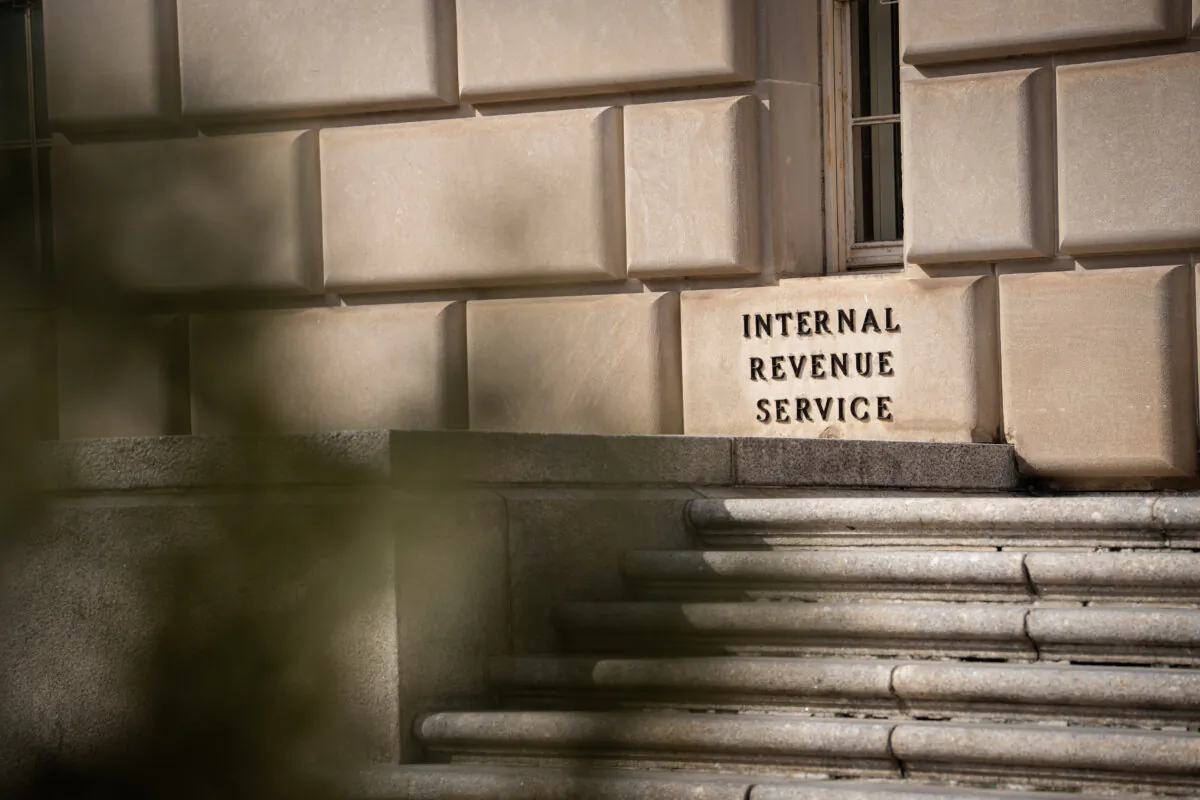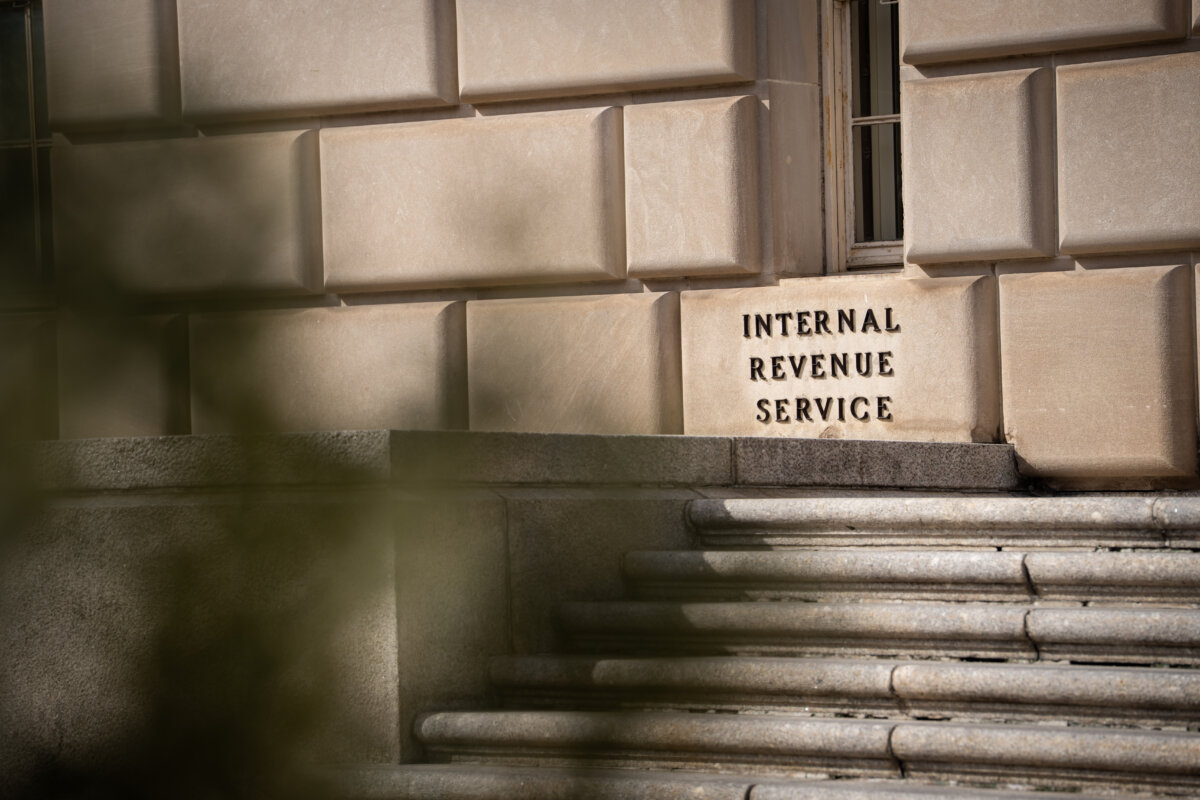

The IRS will start phasing out tax refunds via paper checks beginning on Sept. 30, the agency said in a statement.
The change to paperless refunds complies with a March 25 executive order signed by President Donald Trump that called on the Treasury secretary to end paper checks for all federal disbursements on Sept. 30. The order granted certain exceptions, such as for people without access to electronic payment systems or banking services.
The IRS advised taxpayers to open a bank account if they don’t have one. People can opt for prepaid debit cards, digital wallets, or other methods allowed with the exemptions.
Paperless refunds mark the first step in the IRS’s broader transition to electronic payments.
“The IRS will publish detailed guidance for 2025 tax returns before the 2026 filing season begins. Until further notice, taxpayers should continue using existing forms and procedures, including those filing their 2024 returns on extension of a due date prior to Dec. 31, 2025,” the agency said in the Sept. 23 statement.
The changes will better protect taxpayers’ receipts, speed up refunds, and reduce costs, according to the IRS.
“Paper checks are over 16 times more likely to be lost, stolen, altered, or delayed than electronic payments. Direct deposit also avoids the possibility that a refund check could be returned to the IRS as undeliverable,” the agency stated.
“Electronic refunds give taxpayers faster access to refunds, with payments issued in less than 21 days if filing electronically, choosing direct deposit, and [if] there are no issues with the return, whereas nonelectronic payments may take 6 weeks or longer for refunds sent by mail.”
Most individual taxpayers already receive refunds through direct deposit.
Out of the more than 93.5 million tax refunds issued to individual taxpayers during the 2025 tax filing season, 93 percent (87 million) were issued via direct deposit. Only 7 percent were made via checks.
The agency clarified that Trump’s executive order “also applies to payments made to the IRS.”
“[However,] taxpayers should continue to use existing payment options until further notice,” it stated.
Additional guidance and information for filing 2025 taxes will be issued by the agency before the 2026 filing season.
Modernizing Payment Systems
The IRS has been pushing for several years to cut down on paper use. In October 2023, the agency announced the launch of its “paperless processing initiative,” allowing taxpayers to submit non-tax documents and correspondence digitally.
The innovation was projected to “eliminate up to 200 million pieces of paper annually, cut processing times in half, and expedite refunds by several weeks,” the Treasury Department said at the time.
Trump’s March executive order was aimed at modernizing paper-based payment systems at federal agencies that impose “unnecessary costs, delays, and security risks,” a White House fact sheet states.
“Mail theft complaints have increased substantially since 2020,” it reads.
“Check fraud is becoming more common, with banks issuing about 680,000 reports of check fraud in 2022—nearly double the number from 2021.
“Maintaining the physical infrastructure and specialized technology for digitizing paper records cost the American taxpayer over $657 million in fiscal year 2024 alone.”
In a July 24 statement, the Social Security Administration also announced its transition to electronic payments to beneficiaries beginning on Sept. 30.
The agency said at the time that less than 1 percent of beneficiaries were being issued paper checks.
For beneficiaries without bank accounts, the agency advised them to enroll for a Direct Express card, which is a “prepaid debit card designed specifically for federal benefit payments.”
 Friends Read Free
Copy
Facebook
Tweet
Friends Read Free
Copy
Facebook
Tweet