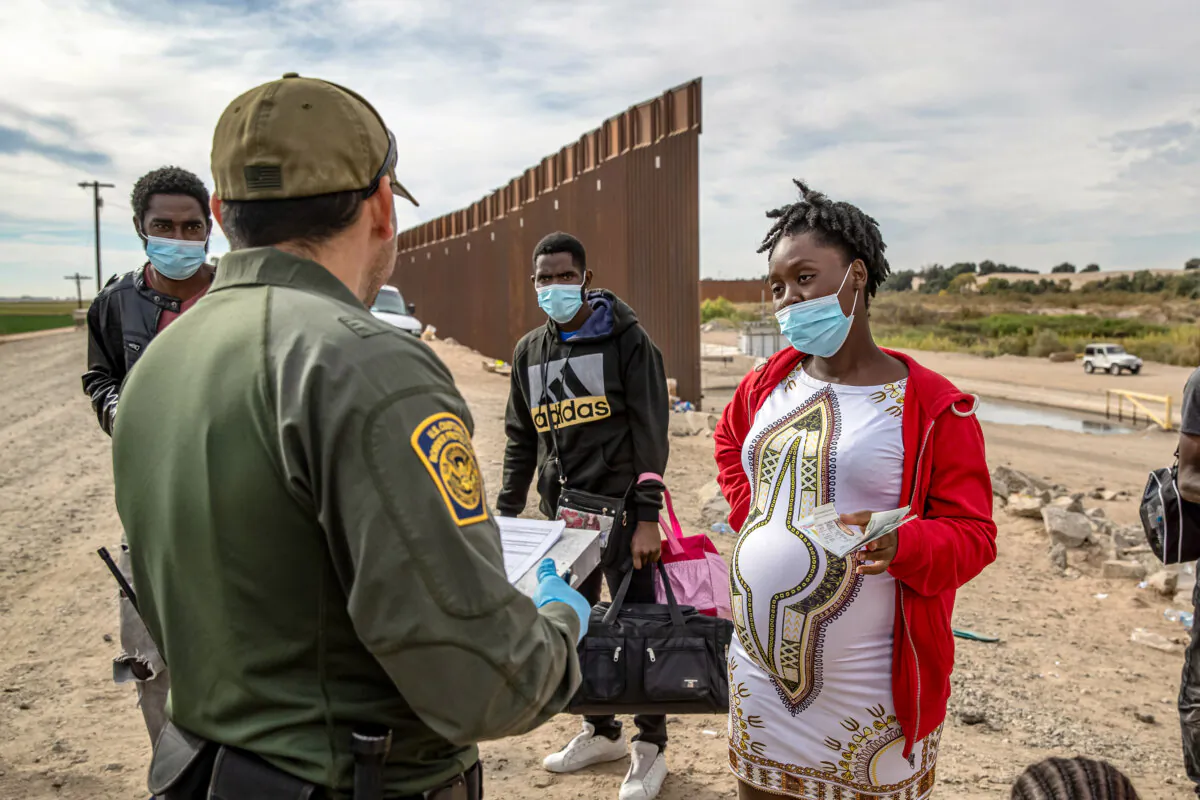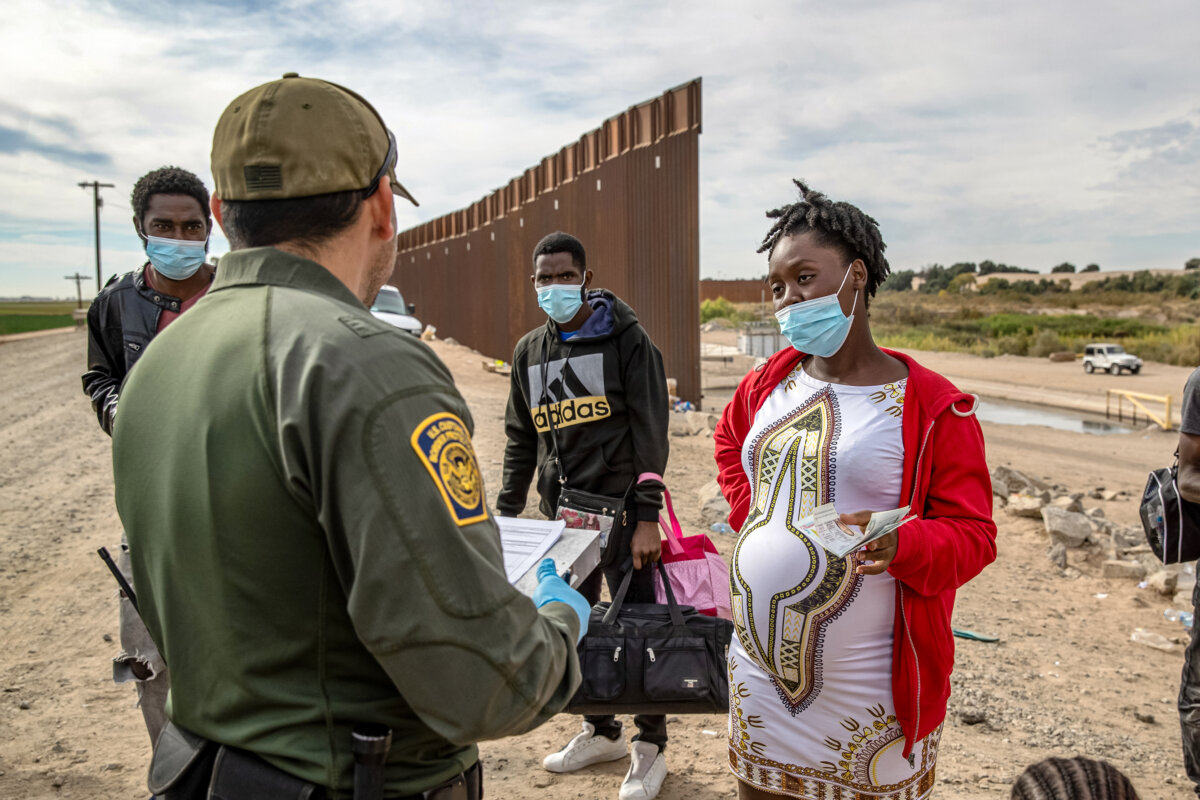

A federal judge on July 1 blocked the Department of Homeland Security (DHS) from ending Temporary Protected Status (TPS) for hundreds of thousands of Haitian immigrants before the program’s scheduled expiration date.
The Biden administration previously extended Haiti’s TPS designation until Feb. 3, 2026, citing gang violence, political unrest, and natural disasters, according to court filings.
Homeland Security Secretary Kristi Noem reversed that decision in February, saying current conditions in Haiti no longer warranted the designation. Noem initially said Haiti’s TPS designation would end in August but later revised the expiration date to Sept. 2.
In a 23-page order issued on July 1, U.S. District Judge Brian Cogan ruled the move was unlawful, finding that Noem lacks either “statutory or inherent authority” to partially vacate a country’s TPS designation.
The ruling came in response to a lawsuit filed by nine Haitian TPS holders, the Haitian Evangelical Clergy Association, and the Service Employees International Union-Local 32BJ, who alleged that Noem did not conduct a required review of conditions in Haiti before shortening the duration of the TPS designation.
Cogan said the plaintiffs are already experiencing harm, noting that Noem’s decision to end the TPS designation is forcing them to prepare to leave the United States five months earlier than expected.
“When the Government confers a benefit over a fixed period of time, a beneficiary can reasonably expect to receive that benefit at least until the end of that fixed period,” the judge stated. “Plaintiffs have enrolled in schools, taken jobs, and begun courses of medical treatment in the United States in reliance on Haiti’s TPS designation lasting until at least February 3, 2026.”
Cogan also found that the injuries experienced by the plaintiffs “far outweigh any harm to the Government from a postponement.”
Manny Pastreich, president of the Service Employees International Union-Local 32BJ, welcomed the ruling and said the group expects Haiti’s TPS designation to remain in place until February 2026.
“Today’s victory shows not only that we can fight back, but we can win,” Pastreich said in an emailed statement to The Epoch Times. “We will keep fighting to make sure this decision is upheld.”
The Department of Homeland Security did not respond to a request for comment by publication time.
TPS is a designation that allows individuals from countries affected by armed conflict, natural disasters, or other extraordinary events the ability to remain in the United States.
In February, Noem indicated in a Federal Register notice that her office would move to terminate TPS for Haitian nationals who were currently using that program. In the notice, she estimated that slightly more than 521,000 Haitians are covered under TPS.
DHS stated in a July 1 notice that Noem reviewed conditions in Haiti and determined that extending the TPS designation would be contrary to the national interest.
“DHS records indicate that there are Haitian nationals who are TPS recipients who have been the subject of administrative investigations for fraud, public safety, and national security. These issues underscore a conflict with the national interest of the United States,” the notice reads.
A DHS spokesperson stated on June 27 that Haitian nationals may pursue lawful status through other immigration benefit requests, provided they meet eligibility requirements.
The move followed a Supreme Court ruling on May 19 that allowed the government to proceed with ending TPS for more than 300,000 Venezuelan nationals.
DHS also sought to revoke the temporary legal status of more than 530,000 immigrants who entered the United States under the Biden administration’s humanitarian parole program, known as the CHNV program.
This program allowed entry of people from Cuba, Haiti, Nicaragua, and Venezuela if they meet certain requirements, including having U.S. sponsors.
Noem said in a March notice that such parole programs “do not serve a significant public benefit” and are not effective in reducing the levels of illegal immigration in the United States.
Jack Phillips contributed to this report.
 Friends Read Free
Copy
Facebook
Tweet
Friends Read Free
Copy
Facebook
Tweet