
A federal judge ruled Tuesday that the U.S. Postal Service (USPS) violated her nationwide injunction by finalizing regulations intended to carry out President Donald Trump’s mail-ballot executive order.
U.S. District Judge Indira Talwani declined to order the USPS to withdraw the regulations, block their publication, or impose another penalty. The rule has an effective date of Aug. 21 and was scheduled for publication in the Federal Register on Aug. 26, but the USPS remains prohibited from implementing it for the 2026 election.
The USPS said delaying the rule’s effective date could prevent its implementation in time for the general election and that it planned to activate the requirements immediately if the remaining injunction was lifted.
USPS officials argued that finalizing the rule did not violate the injunction because the agency promised not to implement it for the 2026 election unless the court orders were lifted.
“These arguments ignore the court’s explicit directive not to ‘initiat[e] or complet[e]’ rulemaking,” Talwani wrote.
Talwani found that the USPS violated the injunction by completing the rules.
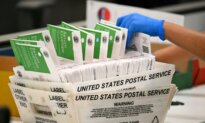
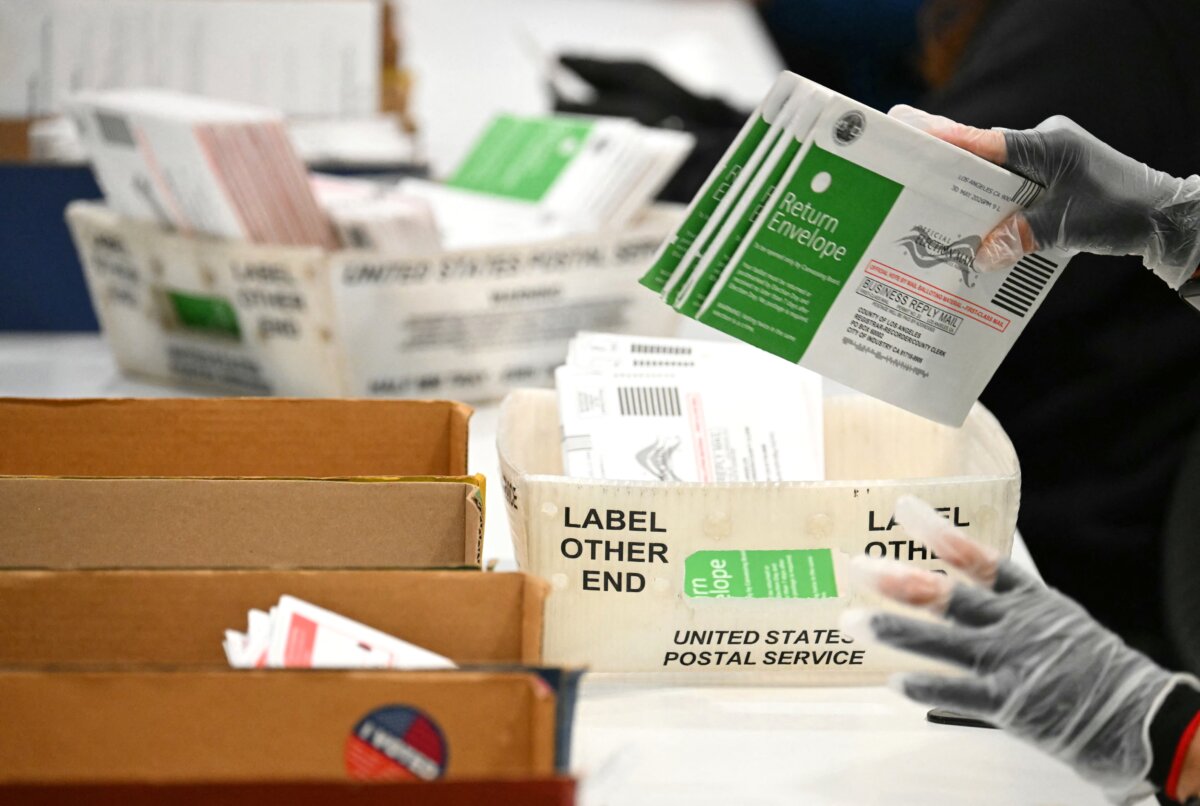
The rules would require state and local election officials to use federally prescribed envelopes and unique tracking barcodes for ballots mailed to voters and returned by voters. Officials would have to upload each voter’s name, address, and ballot barcode information to a new USPS portal before mailing ballots.
The USPS would review outbound ballot mailings and return those that did not meet the envelope, barcode, or data-submission requirements. The agency would not determine voter eligibility, compare the information with voter rolls, or inspect ballots, and its verification process would not apply to completed ballots mailed back by voters.
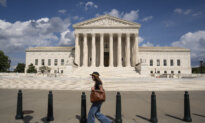
The Supreme Court on Aug. 24 handed Trump a victory in a legal challenge brought by 23 states and the District of Columbia against his election executive order.
Talwani previously ruled that Trump had exceeded his constitutional authority by directing federal agencies to impose new requirements on state election systems. She blocked the challenged provisions from being implemented for the 2026 elections.
The Trump administration asked the Supreme Court to suspend Talwani’s injunction while its appeal continued. In a 6–3 decision, the justices granted that request, concluding that the states had challenged the executive order prematurely because the government had not finished determining how it would be implemented.
The Supreme Court did not decide whether Trump’s order was constitutional. Its ruling allowed the administration to continue developing the policy while the litigation proceeded.
The decision also did not lift a separate nationwide injunction Talwani issued in a lawsuit brought by the League of Women Voters and other organizations. That order continued to prohibit the U.S. Postal Service from finalizing or implementing regulations based on Trump’s directive.
 Friends Read Free
Copy
Facebook
Tweet
Friends Read Free
Copy
Facebook
Tweet