
ALEXANDRIA, Va.—A federal judge considered on Nov. 13 whether to dismiss the cases against former FBI Director James Comey and New York Attorney General Letitia James on the basis that the prosecutor who brought those indictments was invalidly appointed.
It was one of two hearings expected over attempts to dismiss the cases and raised questions about the administration’s attempts to fill vacancies amid difficulty getting nominations through the Senate.
Federal law allows the attorney general to fill vacant U.S. attorney spots, but debate has emerged over how that replacement should, in turn, be replaced. Under 28 U.S.C. Section 546, Congress allows interim attorneys to serve for 120 days, further providing that district courts “may appoint” a U.S. attorney to fill vacancies at the end of that timeframe if the Senate hasn’t already appointed a replacement.
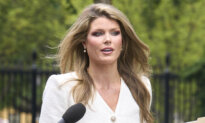
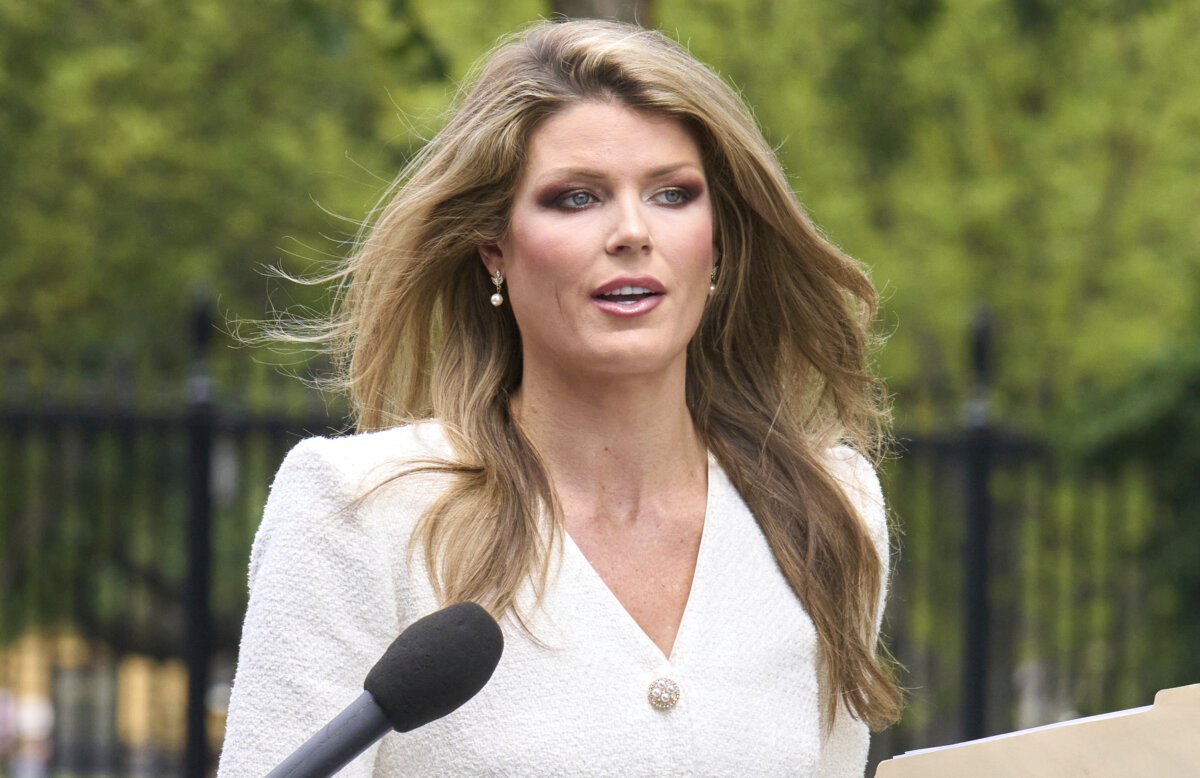
Comey’s and James’s cases were both brought by Lindsey Halligan, a former White House advisor whom the administration installed as the interim U.S. Attorney for the Eastern District of Virginia. Halligan had replaced Erik Siebert, who was acting as interim U.S. attorney for the district and is thought to have resisted prosecuting James.
Comey’s and James’s attorneys told U.S. District Judge Cameron McGowan Currie that Halligan’s appointment was illegal because it occurred 244 days after Siebert’s appointment. As such, it fell outside of the 120-day timeframe that federal law set up for interim appointments, they argued. And, they alleged, because the administration didn’t obtain Senate approval, it also violated the Appointments Clause of the Constitution.
Comey’s attorney, Ephraim McDowell, told Currie that she should dismiss Comey’s case with prejudice in order to deter, and not reward, the administration’s alleged violation of the Constitution. Dismissal with prejudice would prevent the same case from later being brought against Comey. James, meanwhile, has requested dismissal in addition to an injunction preventing Halligan from acting as interim U.S. attorney.
The Justice Department disputed the defense’s interpretation of the law, arguing instead that the law didn’t confine the attorney general to an initial 120 days. Rather, it said, the law allowed for successive appointments of attorneys who would each have 120-day limits on their time in office.
McDowell told the judge that this view would allow successive interim attorneys to continue serving and intrude on the court’s ability to choose a replacement. Currie responded by suggesting that it also intruded on the Senate’s power to confirm attorneys nominated by the president.
That exchange and others seemed to indicate Currie was skeptical of Halligan’s appointment and the legitimacy of the indictments, both of which were signed by Halligan and no other attorney. She later told Justice Department attorney Henry Whitaker that for much of the nation’s history, judges were the ones who appointed interim attorneys.
Whitaker dismissed the idea that the administration’s legal theory would allow it to evade Senate confirmation. He suggested instead that course of action would bring uncertainty and that presidents would prefer to do otherwise.
Currie told the attorneys she expected to have a decision by Thanksgiving. Halligan’s appointment is just one of the disputes the administration needs to win before proceeding to trial in both cases. Comey and James have also moved to dismiss their cases on the basis that the administration’s prosecutions were vindictive or selective.
Both have pointed in court filings to Trump’s public criticism of them and focused, in particular, on a Truth Social post from Trump just days before Comey’s indictment and weeks before James’s.
“Pam: I have reviewed over 30 statements and posts saying that, essentially, ’same old story as last time, all talk, no action. Nothing is being done. What about Comey, [U.S. Sen.] Adam ‘Shifty’ Schiff, [New York Attorney General] Leticia [James]??? They’re all guilty as hell, but nothing is going to be done,’” Trump said in a post on Sept. 20.
Halligan’s appointment came less than 48 hours after that post, according to court filings. During the hearing, McDowell alleged that the Trump administration was trying to find someone at the last minute to pursue an indictment.
While speaking to James’s attorney, Abbe Lowell, Currie said that after reviewing evidence surrounding the grand jury proceedings, she believed Halligan acted alone in both cases. That point was critical for McDowell, who told Currie that it would mean the legitimacy of Halligan’s appointment was more than just a harmless error in the case.
Part of the administration’s defense was that even if Halligan’s appointment was invalid, the indictments should stand. The administration noted that Attorney General Pam Bondi ratified the indictments.
“The Attorney General’s ratification … cures any flaw in both indictments from Ms. Halligan’s appointment,” it said in a court filing.
However, Currie doubted the extent to which Bondi was able to approve Comey’s indictment, noting that a portion of the record for the grand jury proceedings was missing. When Whitaker pushed back on this point, the judge said that Bondi couldn’t have reviewed all of the proceedings because of that issue. In response, Whitaker said that Bondi had enough information to ratify the indictment.
 Friends Read Free
Copy
Facebook
Tweet
Friends Read Free
Copy
Facebook
Tweet