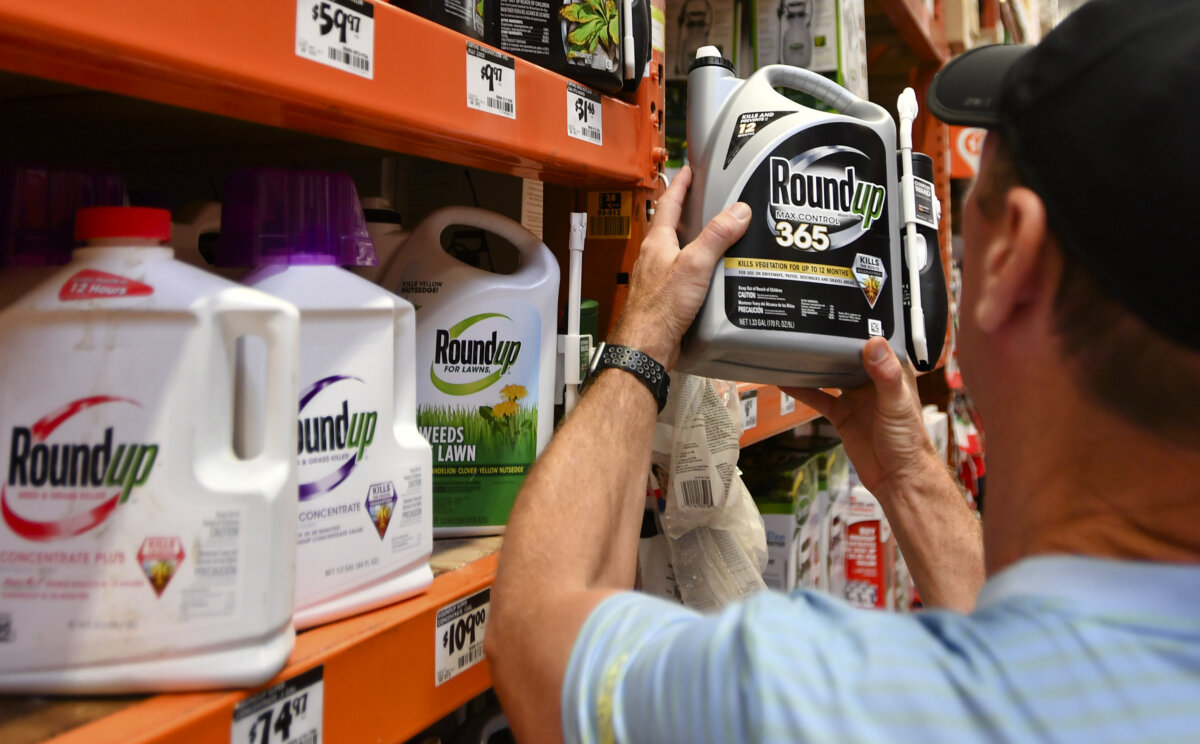

Invoking the Defense Production Act, President Donald Trump signed an executive order on Feb. 18, propelling the domestic production of elemental phosphorus and glyphosate-based herbicides.
The decision sparked widespread backlash among Make America Healthy Again (MAHA) proponents who are fighting to prevent herbicide and pesticide manufacturers from gaining immunity from legal actions.
Known as the “Glyphosate Girl,” Kelly Ryerson is the founder of the Glyphosate Facts website and co-executive director of regenerative farming initiative American Regeneration.
On Feb. 19, she told The Epoch Times that the order “signals to Bayer and Big Ag that the White House supports them and won’t concede to the concerns of MAHA.”
“It doubles down on a system that is making us a sick population and killing our soil, and we already have a limited number of harvests left,” Ryerson said. “It is a very short-term fix for the real problem in national security, which is disease and infertility in both the body and our farming systems.”
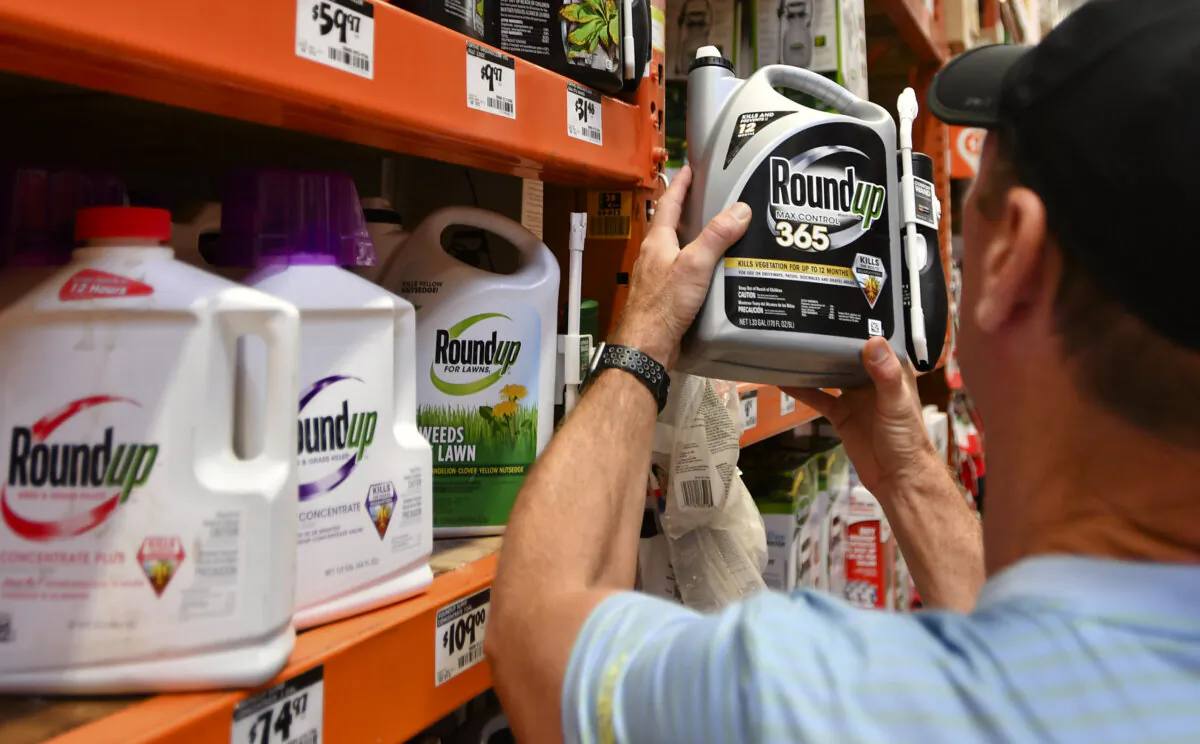
Through its subsidiary Monsanto, Bayer is the only U.S. producer of glyphosate, which is the key ingredient in Roundup. It is the most widely used herbicide in history, according to the Global Glyphosate Study.
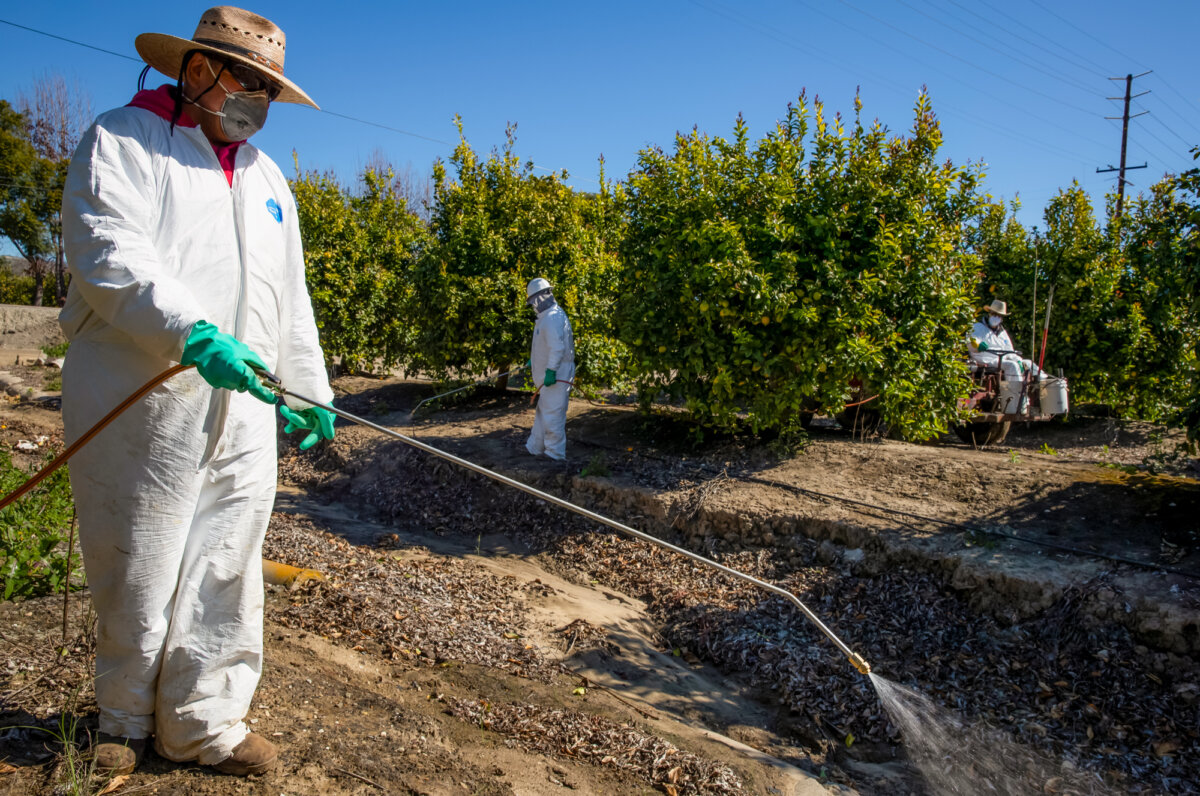
Today, 280 million pounds of glyphosate are sprayed on 285 million acres of U.S. farmland every year, according to the nonprofit Center for Food Safety, which advocates for organic and sustainable food.
Shortages of phosphorus and glyphosate would create a risk to national security, Trump declared in the executive order.
Health Secretary: Trump’s Order ‘Puts America First’
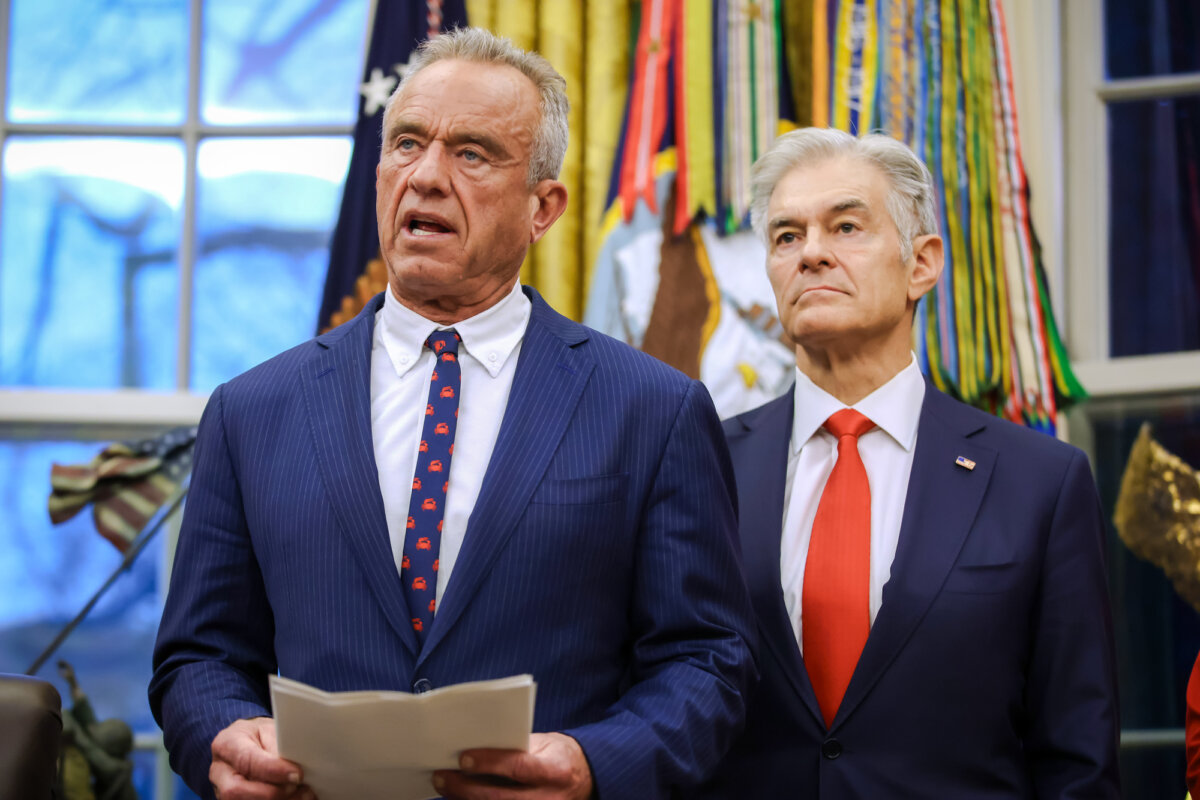
As an environmental lawyer in 2018, Health Secretary Robert F. Kennedy Jr. helped win a $290 million lawsuit against Monsanto in a case in which a man said his cancer was caused by Roundup.
On Feb. 19, Kennedy defended Trump’s move.
“Donald Trump’s Executive Order puts America first where it matters most—our defense readiness and our food supply,” Kennedy said in a statement to The Epoch Times on Feb. 19.
“We must safeguard America’s national security first, because all of our priorities depend on it. When hostile actors control critical inputs, they weaken our security. By expanding domestic production, we close that gap and protect American families.”
Elemental phosphorus is a key ingredient in the formulation of glyphosate, which the White House said is essential to maintain food security. According to the executive order, the Department of the Interior has designated elemental phosphorus as a scarce material.
The executive order called glyphosate-based herbicides “the most widely used crop protection tools in United States agriculture” and “a cornerstone of this Nation’s agricultural productivity and rural economy, allowing United States farmers and ranchers to maintain high yields and low production costs while ensuring that healthy, affordable food options remain within reach for all American families.”
Last year, Bayer CEO Bill Anderson said the company may stop making glyphosate because of liabilities from the lawsuits.
A day before the president signed his executive order, Bayer announced that Monsanto submitted a proposal for a $7.25 billion class‑action settlement.
The settlement, which still needs approval by a judge, would cover current and future claims for people who were exposed to Roundup and developed non-Hodgkin lymphoma.
The proposed settlement is not an admission of wrongdoing, the company said.
In 2020, Bayer agreed to a separate $10 billion settlement regarding non-Hodgkin lymphoma claims.
Trump’s executive order was also issued after the Supreme Court agreed to hear a Roundup case in April. Bayer filed the appeal against a $1.25 million award to a Missouri man who alleged that Roundup caused him to develop blood cancer.
Monsanto: Roundup is Safe
Monsanto has maintained that Roundup is safe and is not carcinogenic, whereas MAHA advocates have singled out glyphosate as a contributing factor to long-term health effects in children.
Monsanto spokesman Brian Leake said in a statement to The Epoch Times: “President Trump’s executive order reinforces the critical need for U.S. farmers to have access to essential, domestically produced crop protection tools such as glyphosate. We will comply with this order to produce glyphosate and elemental phosphorus.”
Potential Impacts of the Order
In an X post on Feb. 18, the House Committee on Agriculture thanked Trump “for acknowledging the importance of glyphosate-based herbicides in American agriculture.”
“This is a vital step forward in ensuring a domestic supply of this critical crop input remains available for our producers,” it stated.
Ryerson told The Epoch Times that Trump’s order could hurt Republican candidates in midterm elections.
“The MAHA base is vast, and people are starting to consider who they will support at midterms. Now the president issues an executive order to expand domestic glyphosate production—the same carcinogenic pesticide that MAHA cares about most,” she said.
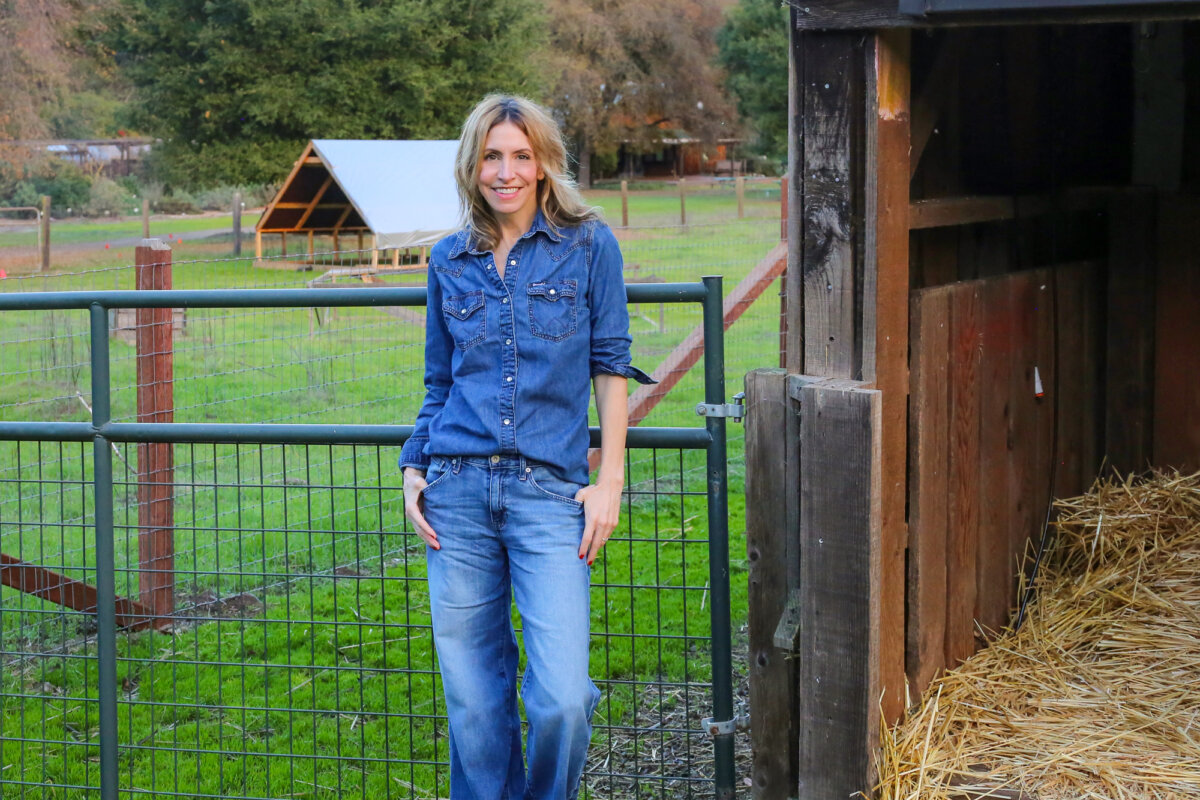
Zen Honeycutt, executive director of Moms Across America, told The Epoch Times that although she is “disgusted” with Trump’s executive order, she believes that more farmers are moving away from glyphosate and an increasing number of consumers are avoiding foods and glyphosate and genetically modified organisms.
John Klar agrees.
A regenerative farmer who raises grass-fed beef in Vermont and the author of “Small Farm Republic,” Klar told The Epoch Times that he believes that Trump’s executive order will motivate more Americans to buy organic products and take an interest in how their food is grown and raised.
“All we want in MAHA is a free market to compete, not mandates and prohibitions against others. If other people want to eat glyphosate-laced foods, that remains their prerogative. The executive order changes nothing,” Klar said.
Legal Immunity
Through the Defense Production Act, the order grants Section 707 compliance immunity, which means that companies will be protected from liability for actions while complying with federal directives.
“This creates a significant legal shield that may complicate future litigation against glyphosate manufacturers,” Nicolas Hulscher, an epidemiologist and administrator for the McCullough Foundation, told The Epoch Times on Feb. 19.
“It doesn’t automatically eliminate cancer lawsuits, but it could allow producers to argue that certain production or allocation decisions were federally mandated under national defense authority, and that’s a concern.”
 Farmer and attorney John Klar with his Hereford cows at his homestead in Brookfield, Vt., on Sept. 12, 2025. Klar raises grass-fed organic beef and lamb using regenerative farming practices. (Samira Bouaou/The Epoch Times)
‘A Real Contradiction’
On Dec. 10, Kennedy announced a $700 million pilot program that will give farmers who are dependent on chemical and fertilizer inputs a financial off-ramp to help them transition to a model that emphasizes soil health.
The program aligns with the Make America Healthy Again Commission’s focus on addressing the nation’s chronic disease epidemic by strengthening the nutrient density in food and decreasing reliance on chemicals, Kennedy said.
Kari Bundy is a self-described “MAHA mom,” a homesteader who uses regenerative growing methods, and a MAHA activist. She called Trump’s order “a real contradiction, and honestly, it’s frustrating to see.”
“The $700 million was a positive first step in HHS and the USDA supporting farmers who want to move away from heavy reliance on synthetic herbicides and toward systems that actually heal the land and support family health,” Bundy said.
“Now, this executive order basically treats glyphosate as a strategic necessity we need to safeguard, even as MAHA has been pushing to reduce exactly these kinds of chemicals because of their links to chronic disease.”
Troy Myers and Zach Steiber contributed to this report.
 Friends Read Free
Copy
Facebook
Tweet
Friends Read Free
Copy
Facebook
Tweet