
Michigan’s health department put the cyclosporiasis case count at 14,277 on Thursday—368 cases higher than the figure from a week earlier, or nearly 3 percent.
Officials had already flagged that a good portion of the recent increase came from a backlog of reports still working their way through the system, as fresh case reports have been tapering off.
Michigan remains the state hit hardest by the multistate parasitic outbreak. Two deaths have been tied to it, according to officials, although both of the involved individuals had significant underlying health conditions.
Inside the state, Wayne County logged the most infections at 2,029. Oakland County sat next at 1,499. The 30-to-39 age bracket showed the highest number of cases by group at 2,879.
National numbers from the Centers for Disease Control and Prevention stood at 15,716 laboratory-confirmed cases across 47 states as of Aug. 18.
The parasite Cyclospora causes watery diarrhea, loss of appetite, weight loss, cramping, bloating, nausea, and fatigue, with symptoms usually starting about a week after infection and lasting anywhere from days to more than a month.
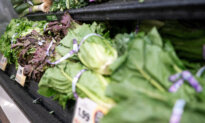
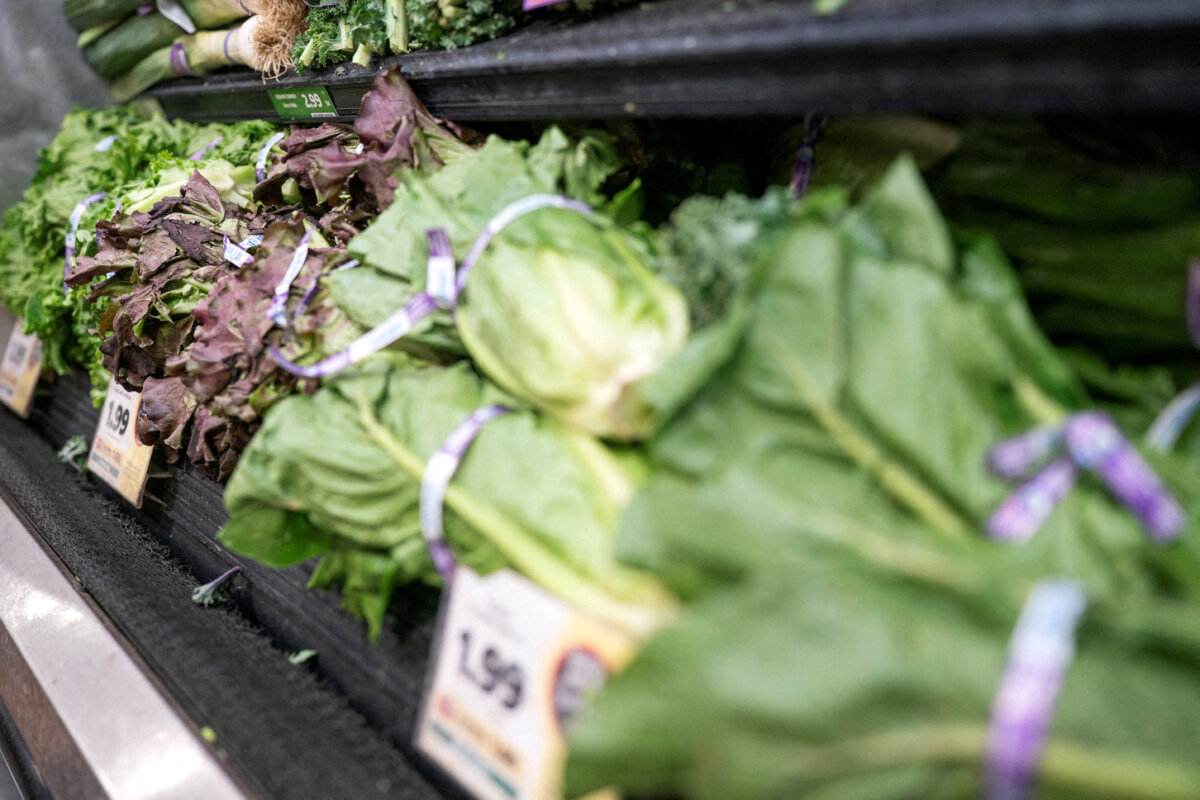
A multistate cluster linked to iceberg lettuce accounts for 10,930 of the national cases, 454 hospitalizations, and both deaths. The outbreak spans 17 states. Best-by dates on the recalled product have passed.
Taylor Farms de Mexico recalled all iceberg lettuce sourced from central Mexico on July 17, which had been served at restaurants, including some Taco Bell locations, and sold in stores. FDA and CDC investigations pointed to the lettuce through traceback and patient interviews.
Michigan first announced the outbreak July 1 with more than 170 cases, mostly in southeast counties. Officials urged restaurants and commercial kitchens to wash produce carefully, especially lettuce.
On Aug. 6, the Michigan Department of Health and Human Services (MDHHS) lifted the broad precaution against bagged salads as new cases and emergency visits fell. Residents could return to routine produce handling but were still told to avoid the recalled lettuce.
“Since the start of this outbreak, MDHHS has remained committed to providing timely, transparent information and clear recommendations to Michigan residents,” Dr. Natasha Bagdasarian, the state’s chief medical executive, said in the Aug. 6 release. “As new data has emerged, our guidance has evolved to reflect the best available evidence, helping ensure that prevention recommendations are accurate, actionable and responsive to the changing situation.”
 Friends Read Free
Copy
Facebook
Tweet
Friends Read Free
Copy
Facebook
Tweet