
Population growth in medium-sized cities largely remained steady even as the national population barely grew, Census Bureau officials said on May 14.
Midsize cities grew by an average of 0.7 percent from July 1, 2024, to July 1, 2025, compared with 1 percent the year before, according to the newly released analysis. In comparison, the average growth for the largest cities and large cities was just 0.3 percent and 0.5 percent, respectively, down from 0.9 percent and 1 percent.
Small cities had an average population growth rate of 0.1 percent, down from 0.3 percent.
“Big-city growth slowed significantly between 2024 and 2025, with some major hubs even seeing small declines,” Matt Erickson, a statistician in the Census Bureau’s Population Division, said in a statement. “In contrast, midsized cities found a ‘Goldilocks zone’ where domestic and international migration, paired with new housing, helped prevent the sluggish growth seen in small towns and larger metropolitan centers.”
The new data came several months after the Census Bureau estimated that immigration to the United States plummeted from mid-2024 to mid-2025, amid a Trump administration crackdown on illegal immigration.
The bureau estimated at the time that the country added 1.8 million people, for a growth rate of 0.5 percent.
According to the bureau’s classification system, the largest cities have at least 250,000 residents, large cities have 50,000 to 249,999 residents, medium-sized cities have 5,000 to 49,999 residents, and small cities have fewer than 5,000 residents.
Some of the fastest-growing cities are in the medium-sized group, including Princeton in Texas, which grew by 18 percent to 43,524 residents.
Other large population jumps were recorded in the medium-sized cities of Melissa, Anna, and Forney in Texas; Haines City, Florida; Waukee, Iowa; Kuna, Idaho; and Foley, Alabama.
Even when larger cities saw strong population growth, they were often eclipsed by nearby suburbs. Charlotte, North Carolina, for instance, grew by 20,731 residents between 2024 and 2025, numerically more than any city in the country.
The population in nearby Fort Mill, South Carolina, though, jumped by a larger percentage, increasing by 6.8 percent to 38,673.
Fort Worth, San Antonio, and Celina in Texas, as well as Seattle, increased the most numerically behind Charlotte.
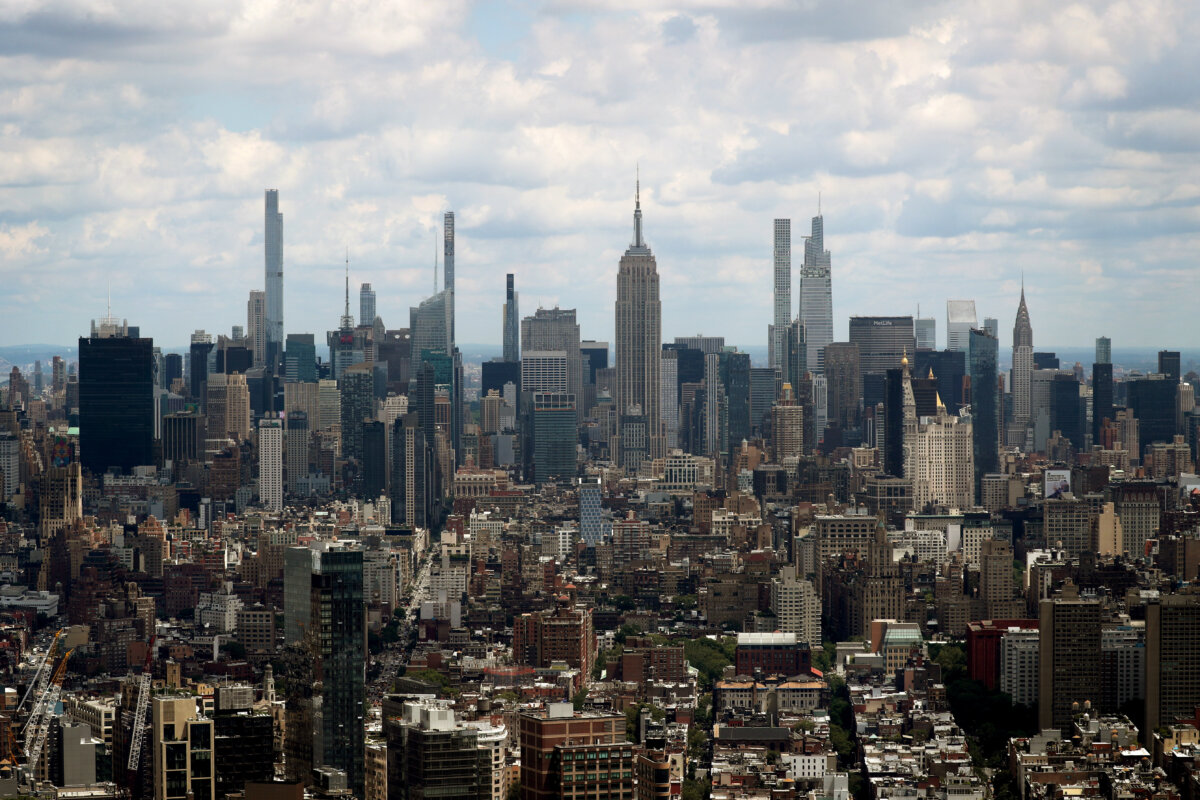
New York City, easily the most populous city in the country with some 8.5 million people, logged a population decline of 12,196 during the time period in question.
Four nearby cities, including Port Chester, New York, were among the country’s 200 fastest-growing places, based on percentage population growth.
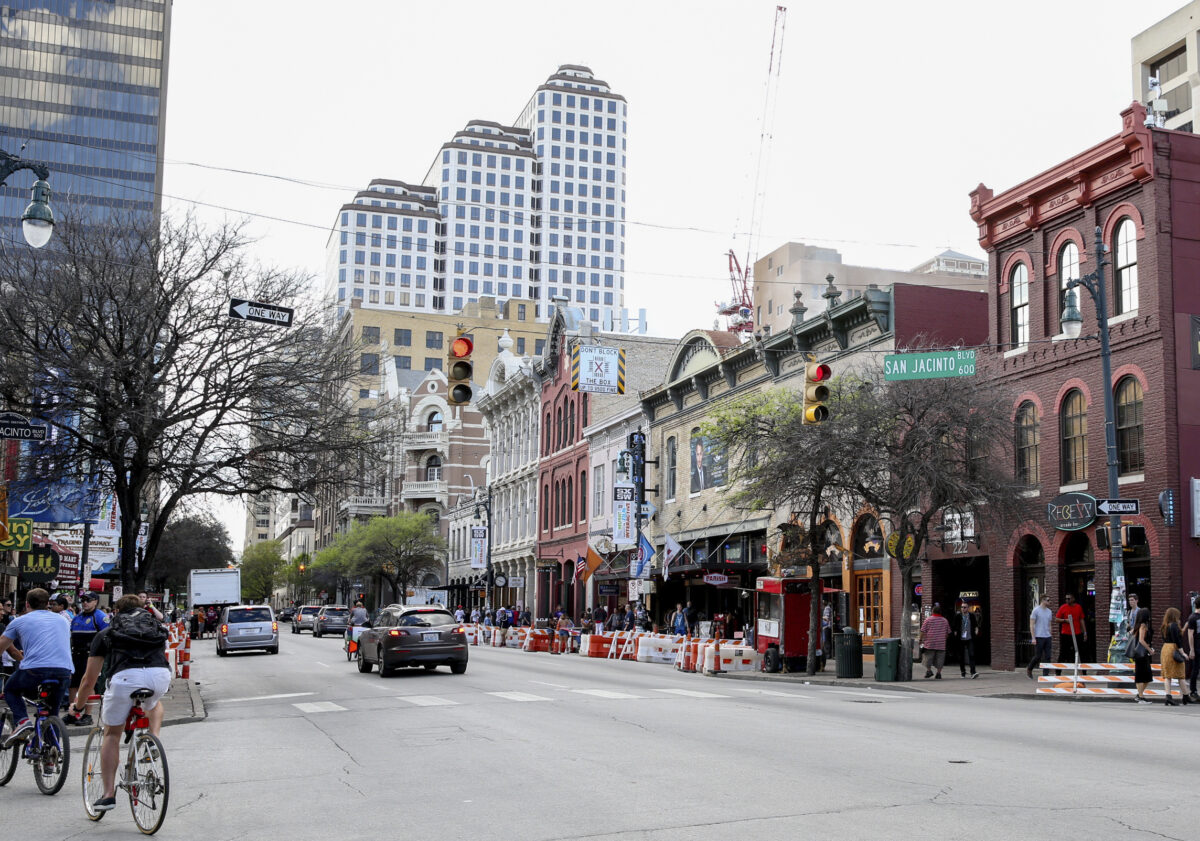
Most growth across cities of all sizes took place in the South, which includes Texas.
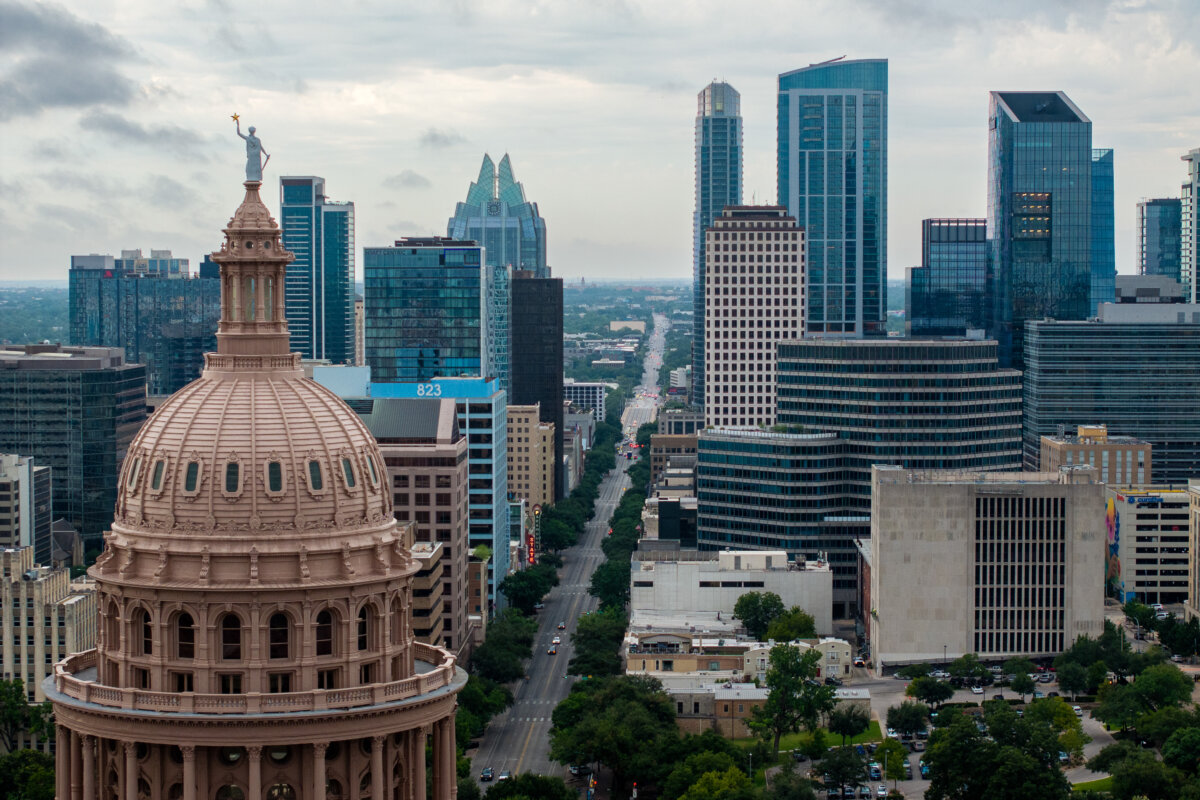
Austin crossed the 1 million threshold between 2024 and 2025, the 12th U.S. city to reach seven digits in population.
 Friends Read Free
Copy
Facebook
Tweet
Friends Read Free
Copy
Facebook
Tweet