
More states are joining the World Health Organization’s Global Outbreak Alert and Response Network, following the U.S. government’s withdrawal from the United Nations health agency.
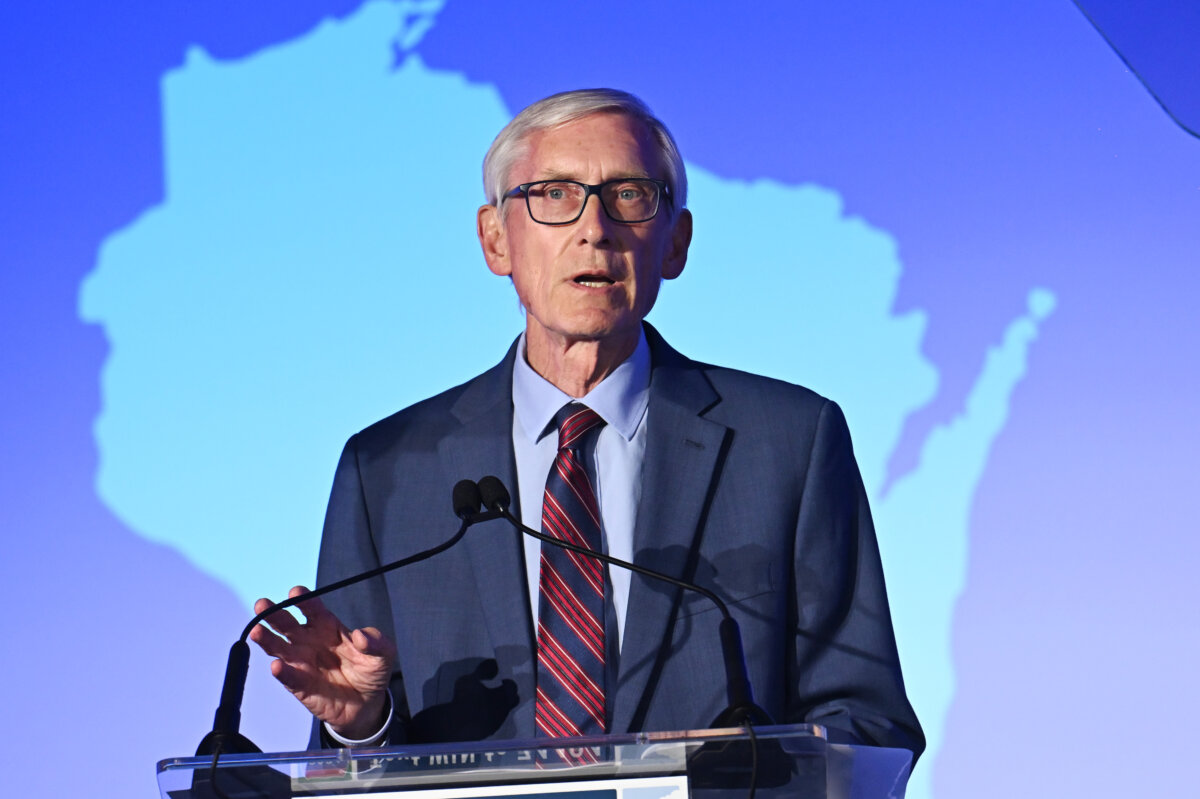
Wisconsin Gov. Tony Evers, a Democrat, said on Feb. 17 that his state would become part of the network.
“We must do what we can to keep our kids, our families, and our communities healthy and safe,” Evers said during his State of the State address. “It’s as simple as that.”
Rep. Tom Tiffany (R-Wis.), who is running to succeed the term-limited Evers, said in a statement that if he wins, he would immediately remove Wisconsin from any World Health Organization (WHO) network.
“During COVID, the WHO acted as a puppet for Communist China,” he said in a post on X. “I led the fight in Congress against the WHO pandemic treaty and will always defend Wisconsin and America’s sovereignty.”
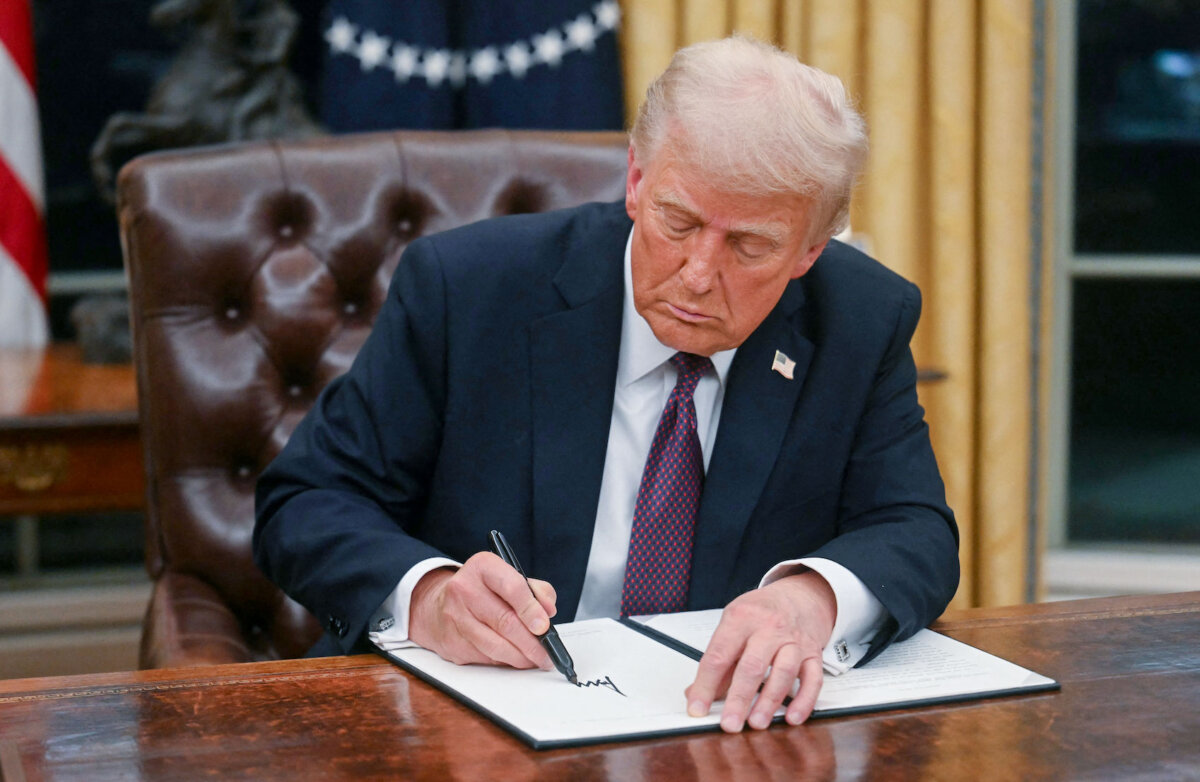
President Donald Trump, after taking office in 2025, directed federal officials to exit the WHO, describing it as being resistant to reform after mishandling the COVID-19 pandemic. The United States officially withdrew in January.
“This action responds to the WHO’s failures during the COVID-19 pandemic and seeks to rectify the harm from those failures inflicted on the American people,” Health Secretary Robert F. Kennedy Jr. and Secretary of State Marco Rubio said in a joint statement.
Soon after, California became the first state to join the WHO’s global response network, a global partnership that the WHO says helps rapidly identify, confirm, and respond to public health emergencies.
“We will continue to foster partnerships across the globe and remain at the forefront of public health preparedness,” California Gov. Gavin Newsom, a Democrat, said at the time.
Officials in Illinois and New York City said in early February that they were joining the WHO’s network.
New York Gov. Kathy Hochul, another Democrat, said on Feb. 10 that New York had joined the network because she sees it as helping detect and respond to outbreaks around the world.
Colorado Gov. Jared Polis, also a Democrat, said on Feb. 13 that Colorado intends to become part of the partnership.
“We want to learn from health science around the world to help make sure Coloradans can get the most advanced and effective treatments for diseases,” Polis said in a statement.
“The unfortunate United States’ withdrawal from WHO reduced the ability of states to access global public health data. Disease does not stop at the borders, and preparedness depends on timely information and partnerships. Colorado is taking positive and immediate steps to ensure doctors and hospitals are better connected to global early-warning systems and scientific expertise so we can better protect Coloradans.”
Legislators in New Jersey also recently introduced a bill that, if approved, would authorize the New Jersey Department of Health to participate in the network, and also states that “other initiatives in international public health will enhance the State’s capacity for outbreak preparedness, situational awareness, workforce development, and coordination with domestic and international partners.”
 Friends Read Free
Copy
Facebook
Tweet
Friends Read Free
Copy
Facebook
Tweet