

A new study by researchers from the National Institute on Drug Abuse (NIDA) at the National Institutes of Health (NIH) has revealed that overdose deaths among pregnant and postpartum women in the United States saw a sharp increase between 2018 and 2021.
According to the Nov. 22 study, published in the peer-reviewed medical journal JAMA Psychiatry, the most significant increase in deaths was among the 35 to 44 age brackets. The study noted roughly 4.9 deaths per 100,000 mothers in the 2018 period, which increased to 15.8 deaths by 2021, representing a threefold increase.
Overall, drug overdose deaths spiked significantly between January to June 2018. They also spiked between July to December 2021 among females aged 10 to 44 who were pregnant or had been in the previous 12 months. According to the study, for those aged 10 to 44 who died between 43 days and one year after pregnancy, overdose mortality ratios almost doubled from 3.1 in the 2018 period to 6.1 in the 2021 period.
Emily Einstein, Ph.D., NIDA science policy branch chief and study co-author, said the results demonstrate and “reflect the persistent national overdose crisis and demonstrate that pregnancy is an urgent time for interventions that can reduce the risk of overdose.”
According to the study’s authors, over 60 percent of the deaths occurred outside healthcare settings, though often in U.S. counties with available healthcare resources, such as emergency and obstetric care.
“Pregnant and postpartum women who died from an overdose, compared to those who died from obstetric causes, were more likely to reside in counties with doctors practicing obstetrics and gynecology ranking within the 48 to 75th percentile among U.S. counties,” the study found.
Basically, despite a majority of the women having access to high-quality hospitals, they did not access them. The study’s authors suggest this is because of the significant barriers preventing some pregnant women who have an addiction from seeking help, such as penalization, stigma, discrimination, and limited socioeconomic resources.
Women Not Seeking Addiction Treatment Out of Fear
Previous research from 2020, also published in JAMA Psychiatry, found that pregnant women are less likely to receive appointments at an addiction treatment center. Other barriers to treatment for pregnant women with addiction included issues obtaining child care at treatment facilities, the threat of fines, loss of custody of their children, involuntary commitment, and incarceration. Essentially, many of the women didn’t want to seek treatment for their addictions out of fear they would lose their children, or face prison time.
Dr. Nora Volkow, NIDA director and senior author on the latest Nov. 22 study, believes the results of her study, and previous research, have proven that more needs to be done to reduce or remove the barriers pregnant women who have addictions face in getting the help and support they need.
“The stigma and punitive policies that burden pregnant women with substance use disorder increase overdose risk by making it harder to access life-saving treatment and resources,” she said.
“Reducing barriers and the stigma that surrounds addiction can open the door for pregnant individuals to seek and receive evidence-based treatment and social support to sustain their health as well as their child’s health,” Dr. Volkow added.
According to the study’s authors, overdose mortality rose sharply during the COVID-19 crisis that saw much of the world locked down for several years by governments’ precautionary policies. However, they say that “little is known about the specifics of pregnancy-associated overdose mortality during this time.”
“Moreover, the differences in the characteristics of pregnant and postpartum women who died from a drug overdose and those who died of childbirth-related, or obstetric causes are unknown,” they added.
Ultimately, the authors think “future studies are needed” to understand this unfolding issue better, while also “accumulating evidence on the association of overdose mortality in pregnant and postpartum women with poverty and lack of adequate healthcare.”
“More research is also needed on the risk and protective factors of pregnancy-associated mortality among people with and without drug use.”
Fentanyl Possibly Linked to Some Deaths
Separate from the study, but potentially related data from the NIDA shows that overall, drug overdose deaths among the broader U.S. population saw an increase from 2019, with over 106,000 drug overdose deaths reported in 2021.
Deaths involving synthetic opioids other than methadone—specifically fentanyl—continued to rise, with roughly 70,601 overdose deaths reported in 2021. In 2022, 73,654 deaths in the United States were attributed to fentanyl overdose, twice as many as in 2019.
In comparison, overdose deaths involving stimulants, including cocaine or psychostimulants—primarily methamphetamine (Meth)—also saw an increase to over 32,537 overdose deaths in 2021.
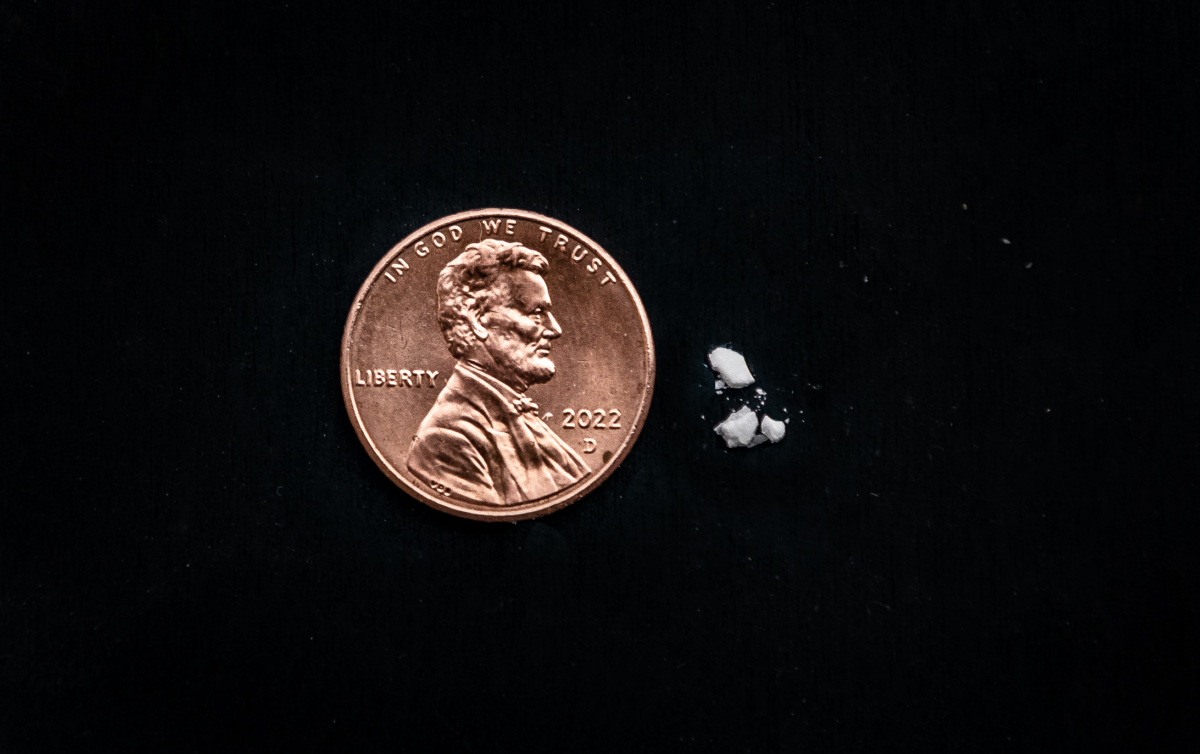
All across the United States, authorities and officials have been fighting an ongoing battle against the potent, illegal synthetic opioid fentanyl flooding across the southern border. Earlier this year, U.S. security officials and legislators declared the drug a national security threat.
In fiscal year 2023, U.S. Customs and Border Protection (CBP) also seized 27,000 pounds of the drug—enough for more than 6 billion potentially lethal doses.
Last year, multiple state attorney generals and Republican legislators pushed the Biden administration to label fentanyl as a weapon of mass destruction. The White House eventually announced in September of this year plans to spend $450 million on “prevention, harm reduction, treatment, and recovery support services” related to America’s fentanyl crisis, and another $800 million to reduce the influx of illegal opioids into the country.
Authorities say that China remains the primary source of the precursor chemicals for the drug, which are then processed and manufactured into synthetic opioids by Mexican drug cartels to smuggle into the United States.
 Friends Read Free
Copy
Facebook
Tweet
Friends Read Free
Copy
Facebook
Tweet