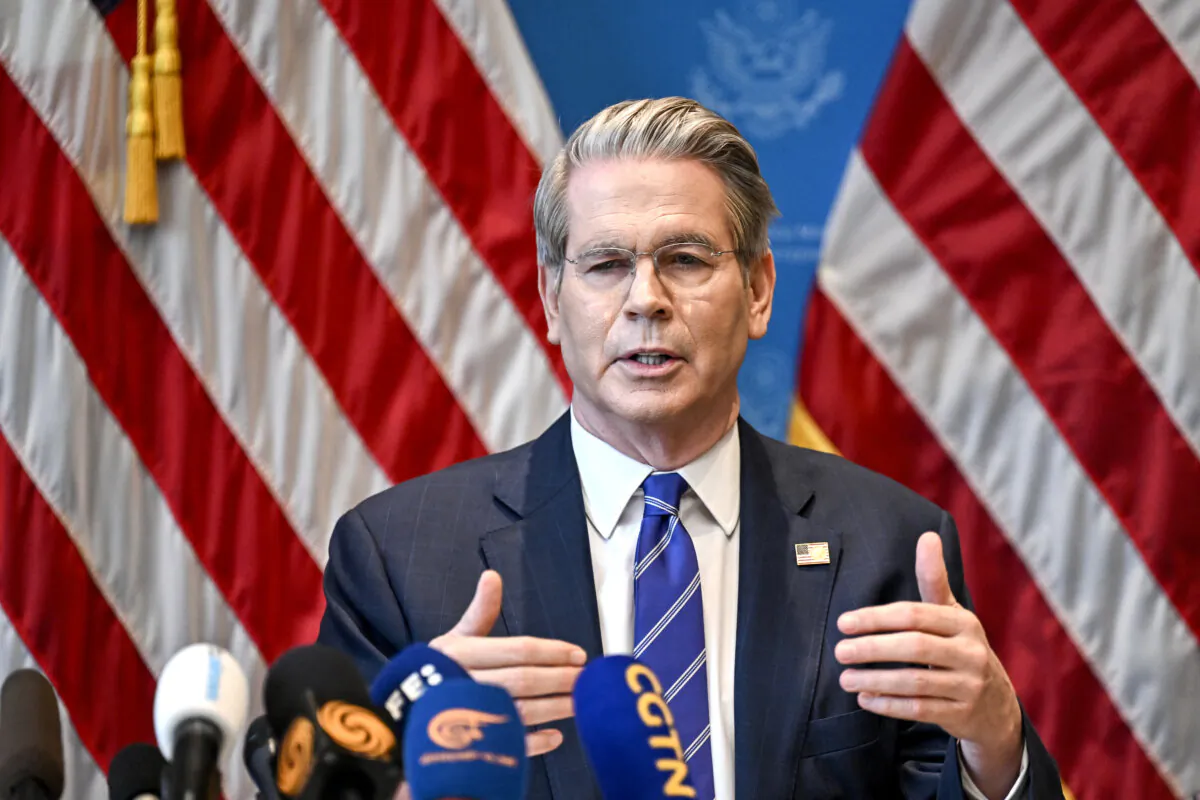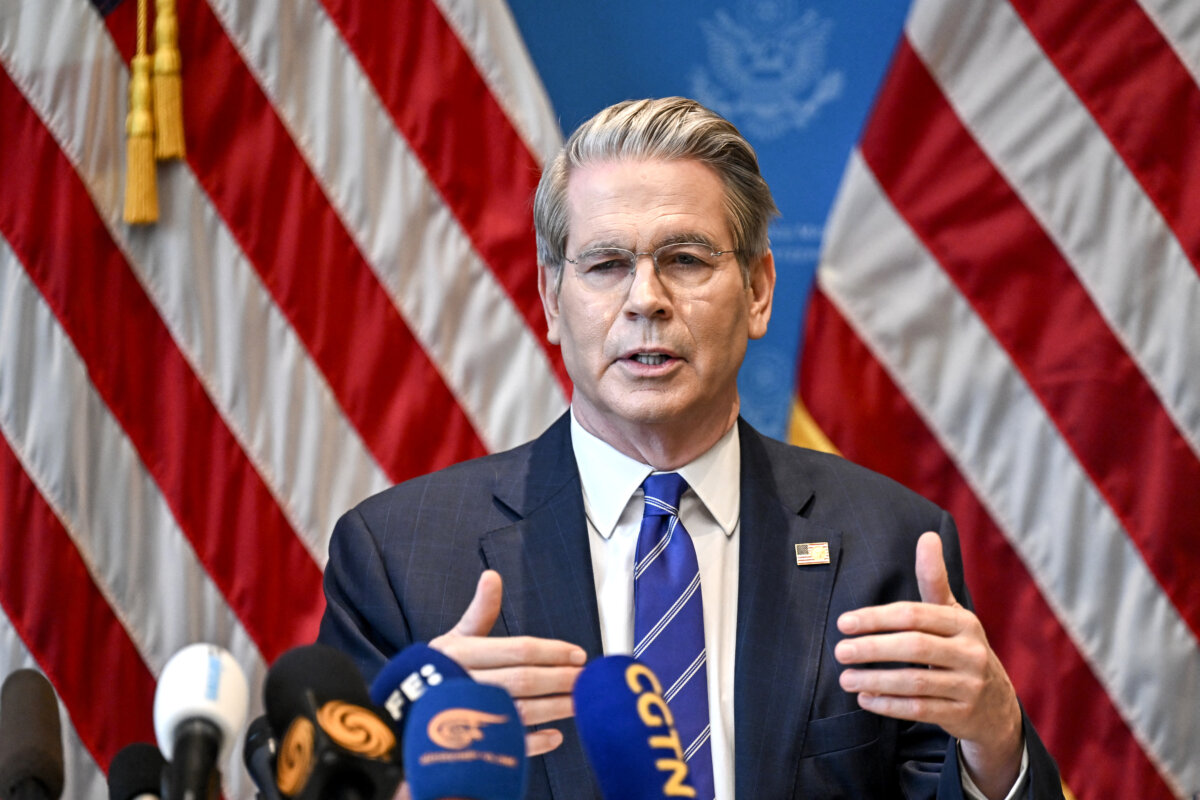

Republicans have agreed to remove a punitive tax provision from the reconciliation bill, following a request from Treasury Secretary Scott Bessent.
Bessent requested that congressional Republicans amend the tax and spending bill to remove what some have termed a “revenge tax” on foreign investments in a series of June 26 posts on X. The secretary said Section 899 of the tax proposal was no longer necessary after he and other U.S. officials spoke to trade partners at the G7 summit.
“After months of productive dialogue with other countries on the OECD [Organization for Economic Co-operation and Development] Global Tax Deal, we will announce a joint understanding among G7 countries that defends American interests,” Bessent said in his X post.
Section 899 of the Republican-backed tax and spending bill, called the “One Big Beautiful Bill,” would have allowed President Donald Trump to impose punitive taxes on foreign companies based in nations that impose taxes on U.S firms.
The “Enforcement of Remedies Against Unfair Foreign Taxes” measure targets individuals and businesses with ties to “discriminatory foreign countries.” This includes foreign individuals and corporations not majority-owned by Americans or American entities.
The Treasury secretary said that the countries came to a “joint understanding … that defends American interests,” adding that the deal would “[preserve] our tax base” and that, because of their agreement, the 15 percent minimum corporate OECD taxes will no longer apply to U.S. companies.
“By reversing the Biden administration’s unwise commitments, we are now protecting our nation’s authority to enact tax policies that serve the interests of American businesses and workers,” Bessent said.
“We will work cooperatively to implement this agreement across the OECD-G20 Inclusive Framework in [the] coming weeks and months.”
Senate Finance Committee Chairman Mike Crapo (R-Idaho) responded to the Republican decision, indicating that he sees Bessent’s deal as an adequate replacement for the measure meant to protect American companies’ bottom line.
“At the request of Secretary Bessent and in light of this joint understanding to preserve U.S. tax sovereignty … we will remove proposed tax code Section 899 from the One Big Beautiful Bill Act, and we look forward to active engagement with Treasury on these important issues,” Crapo said.
At the end of the secretary’s comments, he reiterated the administration’s position on international business deals, saying, “The Trump administration remains vigilant against all discriminatory and extraterritorial foreign taxes applied against Americans. We will defend our tax sovereignty and resist efforts to create an unlevel playing field for our citizens and companies.”
Some trade decisions are still in flux, however. Just one day after the announcement, Trump announced on his social media platform Truth Social that he has suspended trade discussions with Canada due to their digital services tax on American technology companies.
He called the policy a “direct and blatant attack” on the United States and reiterated grievances over Canadian tariffs, some of which are as much as 400 percent.
“We will let Canada know the tariff that they will be paying to do business with the United States of America within the next seven day period,” Trump wrote.
 Friends Read Free
Copy
Facebook
Tweet
Friends Read Free
Copy
Facebook
Tweet