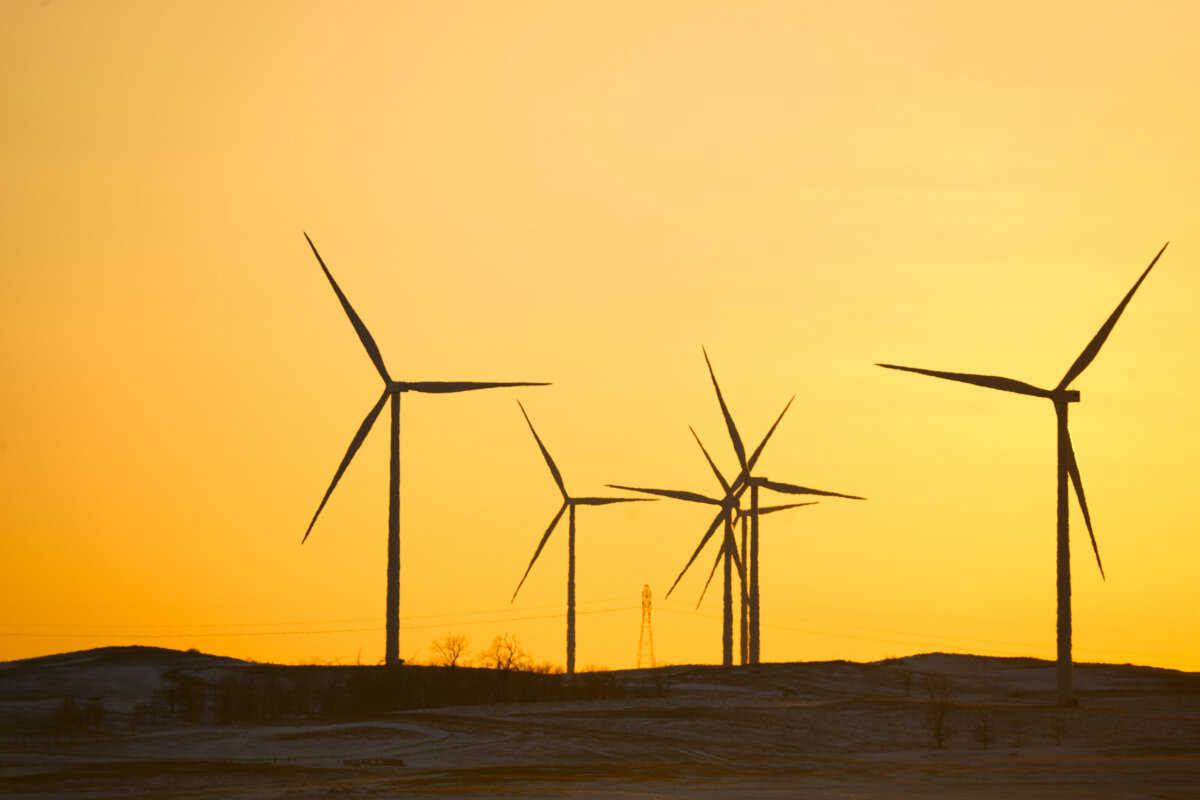

The share of solar and wind power in America’s total electricity generation is expected to rise from 18 percent in 2025 to around 21 percent in 2027, the Energy Information Administration (EIA) said in a report on Jan. 16.
In contrast, “the three main dispatchable sources of electricity generation (natural gas, coal, and nuclear) accounted for 75 percent of total generation in 2025, but we expect the share of generation from these sources will fall to about 72 percent in 2027,” EIA said.
“Electricity generation by the U.S. electric power sector totaled about 4,260 billion kilowatthours (BkWh) in 2025,” the report said.
“We expect U.S. electricity generation will grow by 1.1 percent in 2026 and by 2.6 percent in 2027, when it reaches an annual total of 4,423 BkWh.”
Utility-scale solar is projected to be the fastest-growing electricity generation source in the United States, rising from 290 BkWh last year to 424 BkWh by 2027.
According to the EIA, nearly 70 gigawatts (GW) of new solar generating capacity projects are set to come online this year and the next—a 49 percent capacity increase from last year.
Many of these new additions will come online in Texas, EIA said, adding that the solar-generated electricity supplied to the grid managed by Electric Reliability Council of Texas could nearly double between 2025 and 2027.
As for wind power generation, this has traditionally been concentrated in the central regions of the United States, such as in the grid operated by the Midcontinent Independent System Operator (MISO).
“However, additions of new wind generating capacity have slowed in MISO, and we expect little growth in MISO wind generation through 2027,” the agency said.
Between 2025 and 2027, the share of natural gas in total power generation is projected to dip from 40 to 39 percent, while the share of coal is projected to dip from 17 to 15 percent.
The EIA projections come as the Trump administration has pushed back against renewable energy.
On Jan. 20, 2025, President Donald Trump signed a presidential action temporarily withdrawing all areas of the outer continental shelf from offshore wind leasing.
On July 7, 2025, the president signed an executive order to end federal subsidies for wind and solar energy projects, highlighting the unreliability of these energy sources and the dependence on foreign-controlled supply chains.
Later that month, the Department of the Interior said it was implementing policy measures to end “unreliable energy sources,” and to ensure affordable, reliable energy development nationwide.
In August last year, Interior Secretary Doug Burgum signed an order to rein in “environmentally damaging” solar and wind power projects and ensure that federal lands are optimally used for energy initiatives.
Legal Challenges, Promoting Coal
The Trump administration’s backdown on renewable power has faced challenges.
On Dec. 8, 2025, U.S. District Judge Patti Saris of the District of Massachusetts vacated Trump’s Jan. 20 order that halted federal permitting and leasing for wind energy projects.
In the ruling, Saris said the order’s indefinite suspension of wind energy project authorization violated a statutory requirement that demands agencies to conclude matters within reasonable time frames.
“No permits have [been] issued since the wind order was promulgated, and the agency defendants acknowledge that they will not issue any permits at least until they complete the comprehensive assessment, for which there is no timeline,” the judge wrote. “That action is contrary to law.”
In a Dec. 9, 2025, statement, environmental group Sierra Club welcomed the court ruling against what it called the Trump administration’s “unlawful wind energy ban.”
“Americans need cheaper and more reliable energy that does not come at the expense of our health and futures,” Sierra Club senior adviser Nancy Pyne said.
“We are glad to see this illegal order get vacated, and we will continue to advocate for more wind energy projects across the country to lower the cost of energy and create stable, union jobs in our communities.”
Meanwhile, the Department of Energy convened the first meeting of the National Coal Council, reversing the Biden-era termination of the council and reaffirming that coal is critical to the domestic economy and security, the department said in a statement on Jan. 15.
Under the Biden administration, coal plants were shut prematurely, driving up energy prices and negatively affecting American workers and communities, Secretary of Energy Chris Wright said.
“Thanks to President Trump, the war on coal is over. The Trump Administration has already saved more than 15 GW of reliable coal power from shutting down,” he said.
The administration “is working alongside American workers and the entire coal industry to ensure coal continues to be mined in the United States and continues to help provide reliable power to the American people,” Wright added.
 Friends Read Free
Copy
Facebook
Tweet
Friends Read Free
Copy
Facebook
Tweet