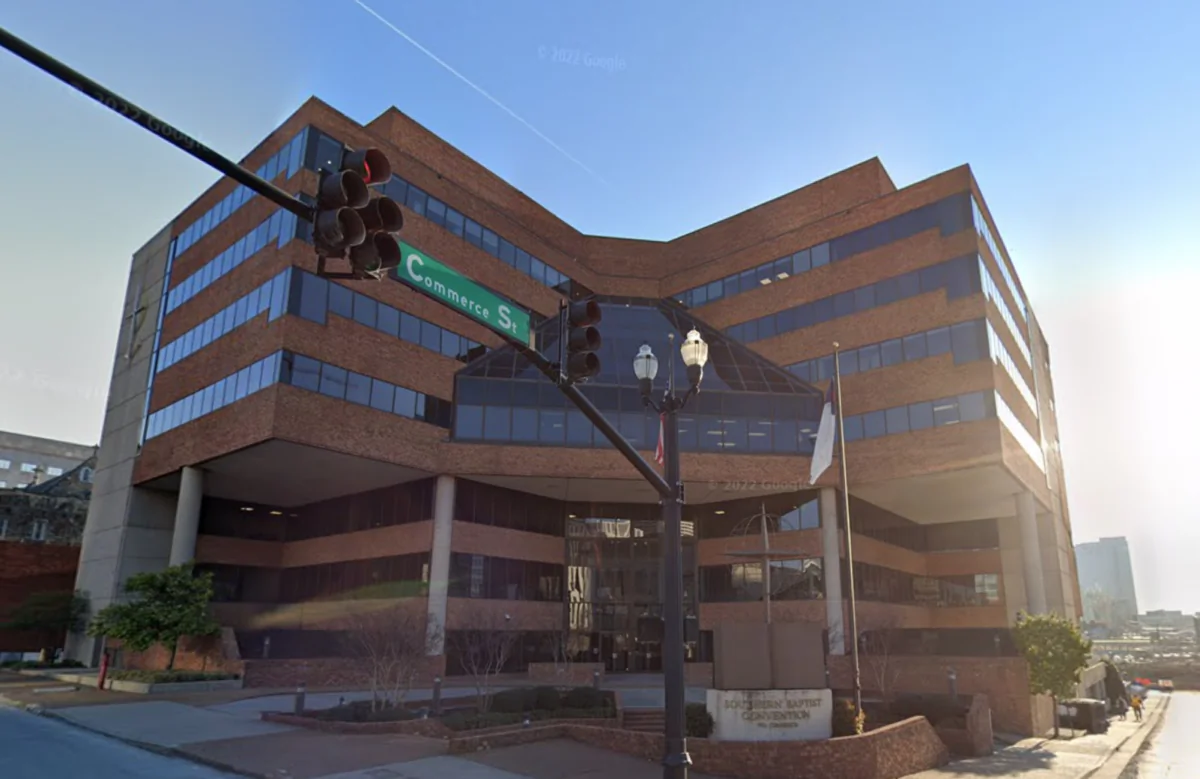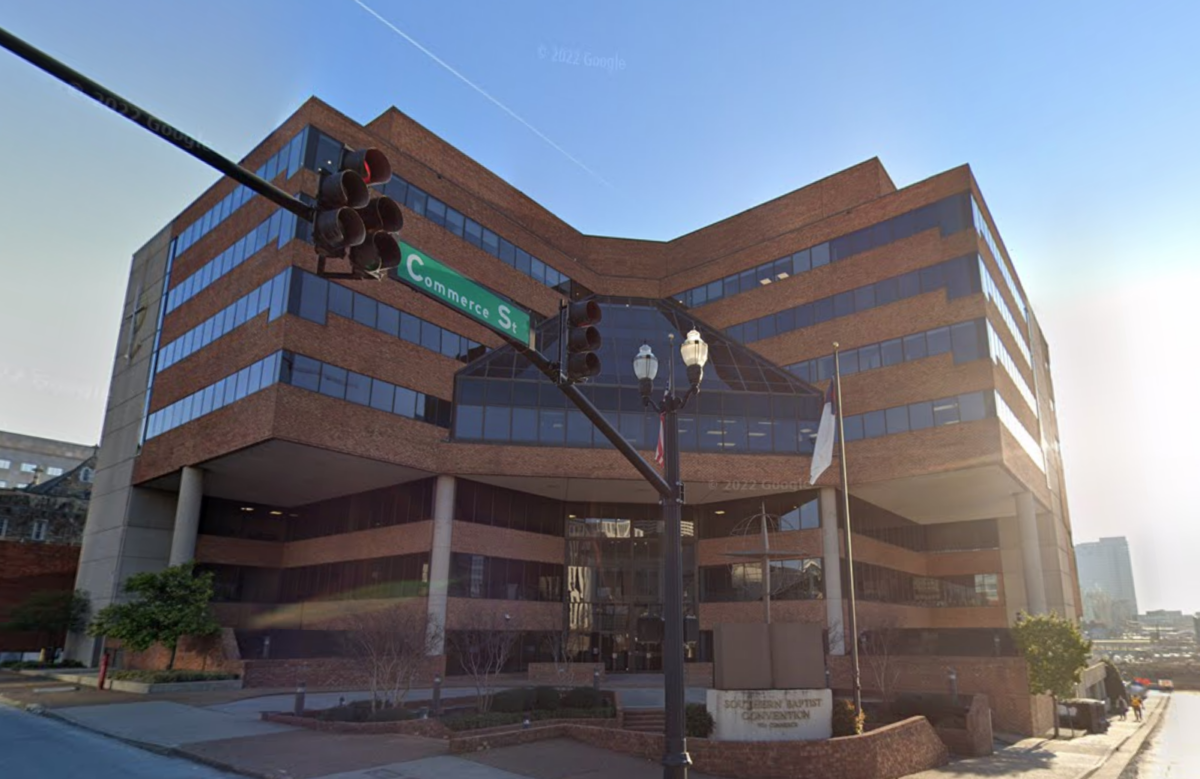

Southern Baptists, America’s largest Protestant denomination, said on Tuesday that attendance and baptisms are up even though overall membership has declined for the 19th consecutive year.
About 12.3 million people are members of the Southern Baptist Convention (SBC), a more than 3 percent drop from 2024, according to the denomination’s Annual Church Profile (ACP), a survey compiled by Lifeway Research.
This puts Southern Baptist membership at a level last seen in 1973, officials said.
On average, nearly 4.5 million people attend a Southern Baptist church each week, while more than 2.6 million participate in a small group Bible study or Sunday School class. Both numbers are up more than 3 percent compared with 2024 and show gains for the fourth consecutive year.
“We are grateful Southern Baptists continue to show growth in key metrics like baptisms, worship attendance, and Bible study participation,” Jeff Iorg, president and CEO of the SBC Executive Committee, said in a statement.
“Southern Baptist churches are focused on sharing the gospel and making disciples, the mission we cooperate to fulfill. While many other issues vie for our attention, pastors seem more determined than ever to focus on our core mission.”
The survey revealed other signs of hope: 63,075 people were baptized in a Southern Baptist church, up 4.96 percent from 2024. This marks the first time in 75 years that the SBC has seen five consecutive years of baptism increases, surpassing 2017 levels and showing a rebound from the pandemic.
“Every baptism represents a life transformed, someone who has found forgiveness and new life in Jesus Christ. That is what we celebrate today,” said Kevin Ezell, president of the North American Mission Board.
America’s “Bible Belt” is where many Southern Baptists are found, but the states with the highest percentage growth in SBC baptisms were outside that geographic area, the group said: Alaska (+49.3 percent); Colorado (+40.3 percent); Michigan (+36.0 percent); Iowa (+32.1 percent), and California (+28.6 percent).
While not every state group of Southern Baptists collects data on offerings, among those that do, undesignated receipts in 2025 grew by almost 1 percent to $9,639,343,162.
One research leader said a component of the year-on-year declines comes not from people exiting but rather a greater focus on statistical accuracy.
“Church closures and churches cleaning up their membership rolls to reflect those people God has currently entrusted to them have negative impacts on total membership numbers,” said Scott McConnell, executive director of Lifeway Research.
“Churches with more than four times as many members as their average attendance are either unhealthy or need to clean up their membership records.”
Nine states can claim at least half a million Southern Baptist adherents: Texas (2,353,814), Georgia (1,122,485), Tennessee (1,036,601), Alabama (910,961), North Carolina (833,748), Florida (760,058), Kentucky (644,879), South Carolina (580,039), and Mississippi (575,925).
Lifeway said that in 2025, an average of 4,460,910 people attended a Southern Baptist church each week. The 156,285 weekly attendee increase translated to a 3.63 percent gain over 2024.
“It’s hard to directly compare today’s average worship attendance to pre-COVID attendance in 2019. The reported number is still almost 800,000 less than in 2019, but 10 percent fewer churches are reporting non-financial numbers on the ACP today than in 2019,” said McConnel.
The denomination lost 268 congregations last year, leaving 46,608 affiliated churches. The figure includes those that closed and others that are now no longer SBC affiliates.
Such shifts aren’t limited to Southern Baptists, Lifeway said. Last year, the group estimated that 3,800 new Protestant churches were started in the United States, while 4,000 churches were closed. They said the numbers are based on analysis of congregational information provided by 35 denominations or faith groups, representing 58 percent of all Protestant churches.
That gap is better than the 2019 figures, where 4,500 congregations closed compared with 3,000 launches.
The mixed picture for Southern Baptists—fewer overall members but more weekly attendees and more baptisms—mirrors contrasting statistics for overall U.S. religious involvement. In April, the Gallup organization said young men are more religious than young women in the country, reversing a 25-year trend.
The poll found that 42 percent of men aged 18 to 20 said religion was “very important” in their lives, versus 30 percent of young women in the same age group, a figure that Gallup said was relatively unchanged since 2020.
Also in April, the Public Religion Research Institute said there was “little evidence that Americans are returning to church in higher numbers.” The organization’s “2025 Census of American Religion” found the “share of Americans who seldom or never attend religious services has increased substantially, rising from 42 [percent] in 2013 to 53 percent” last year.
PRRI also said its research revealed “just one in five young men and women” attended church weekly last year, a figure they said was “largely unchanged since 2013.”
Yet other groups assert a resurgence in religious activity. Many Roman Catholic parishes report a significant uptick in weekly Mass attendance, as well as growth in the number of adult converts to the faith.
 Friends Read Free
Copy
Facebook
Tweet
Friends Read Free
Copy
Facebook
Tweet