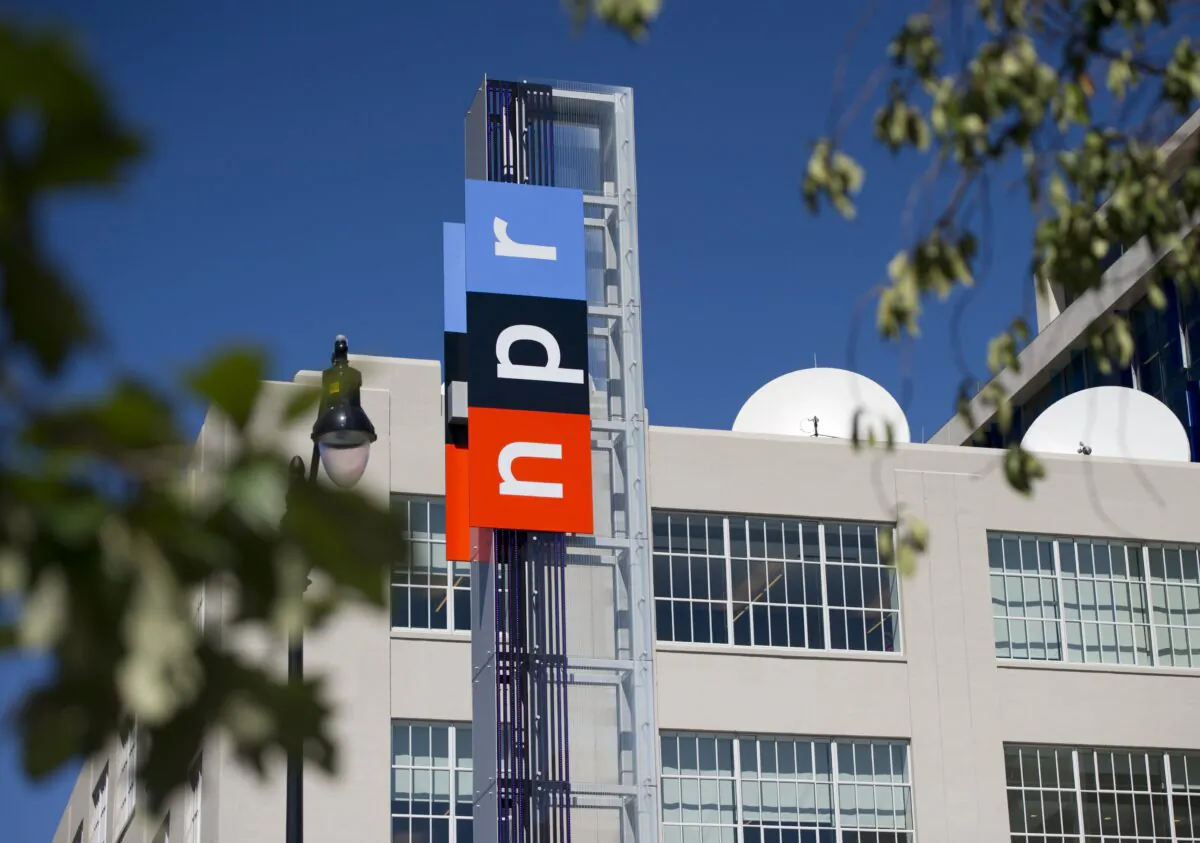
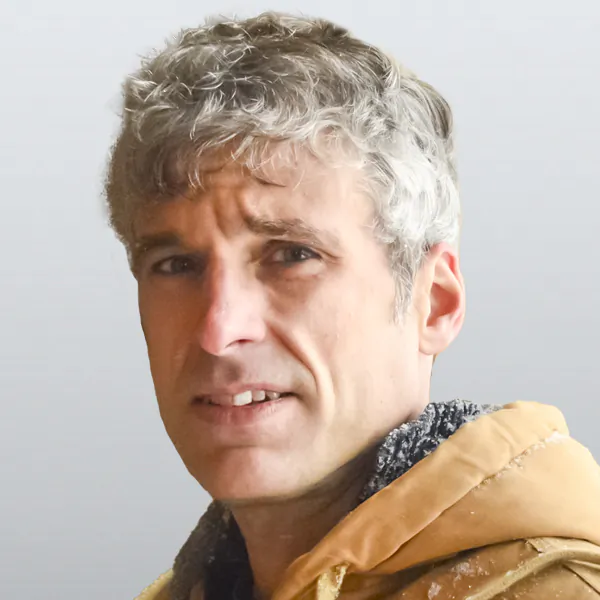
The National Public Radio (NPR) editor suspended for criticizing the news organization’s biased reporting has announced his resignation from what he called “a great American institution where I have worked for 25 years.”
“I don’t support calls to defund NPR,” Uri Berliner, the news organization’s senior business editor, posted on X.
“I respect the integrity of my colleagues and wish for NPR to thrive and do important journalism. But I cannot work in a newsroom where I am disparaged by a new CEO whose divisive views confirm the very problems at NPR I cite in my Free Press essay.”
Mr. Berliner told The Free Press that the NPR of today, as opposed to the one for which he started working 25 years ago, reflects “the distilled worldview of a very small segment of the U.S. population.”
“An open-minded spirit no longer exists within NPR, and now, predictably, we don’t have an audience that reflects America,” he said.
“That wouldn’t be a problem for an openly polemical news outlet serving a niche audience. But for NPR, which purports to consider all things, it’s devastating both for its journalism and its business model.”
His bombshell critique reverberated through the media landscape confirming for some what they already believed, while progressives scrambled to defend the news organization.
David Folkenflik—an NPR media correspondent who reported on Mr. Berliner’s piece and subsequent suspension—said the news organization is “grappling” with “the fallout” from Mr. Berliner’s statements.
“It angered many of his colleagues, led NPR leaders to announce monthly internal reviews of the network’s coverage, and gave fresh ammunition to conservative and partisan Republican critics of NPR, including former President Donald Trump,” Mr. Folkenflik said.
Mr. Folkenflik reported that Mr. Berliner’s suspension letter said that he “failed to secure its approval for outside work for other news outlets,” which is required, and said it was Mr. Berliner’s “final warning.”
NPR’s CEO, Katherine Maher, was among those who went on the defense.
“Questioning whether our people are serving our mission with integrity, based on little more than the recognition of their identity, is profoundly disrespectful, hurtful, and demeaning,” Ms. Maher said.
‘Divisive Views’ Surface
Since her statement on Mr. Berliner’s piece, Ms. Maher’s past social media posts and lectures supporting woke ideologies and censorship have been brought into the limelight by investigative researchers such as Christopher Rufo.
His most recent post shows then-Wikipedia CEO Ms. Maher in a 360 Open Summit discussion in 2021 stating, “The number one challenge here that we see is of course the First Amendment in the United States,” which she called a “fairly robust protection of rights.”
She added that the protection makes regulating where information comes from “tricky.”
She continued to say Wikipedia “took an active approach to disinformation and misinformation” about COVID and the 2020 election to “identify threats.”
Mr. Rufo, who has been reporting on her past social media posts throughout the week, called for her resignation.
“NPR has hired a left-wing activist who openly endorses censoring, deplatforming, and punching political opponents,” Mr. Rufo said on X.
“She considers the First Amendment the ‘number one challenge’ to controlling ‘bad information.’ The American people should not be paying for this.”
Ms. Maher has made social media posts calling former President Donald Trump a racist and advocating for white guilt.
Other posts are still available, such as one in which she defends looting in 2020.
“I mean, sure, looting is counterproductive,” she wrote. “But it’s hard to be mad about protests not prioritizing the private property of a system of oppression founded on treating people’s ancestors as private property.”
She also stated in 2020 that for white people to be silent is to be complicit in racism.
“If you are white, today is the day to start a conversation in your community,” she said.
After Mr. Berliner’s article, NPR Chief News Executive Edith Chapin wrote, “We’re proud to stand behind the exceptional work that our desks and shows do to cover a wide range of challenging stories.
“We believe that inclusion—among our staff, with our sourcing, and in our overall coverage—is critical to telling the nuanced stories of this country and our world.”
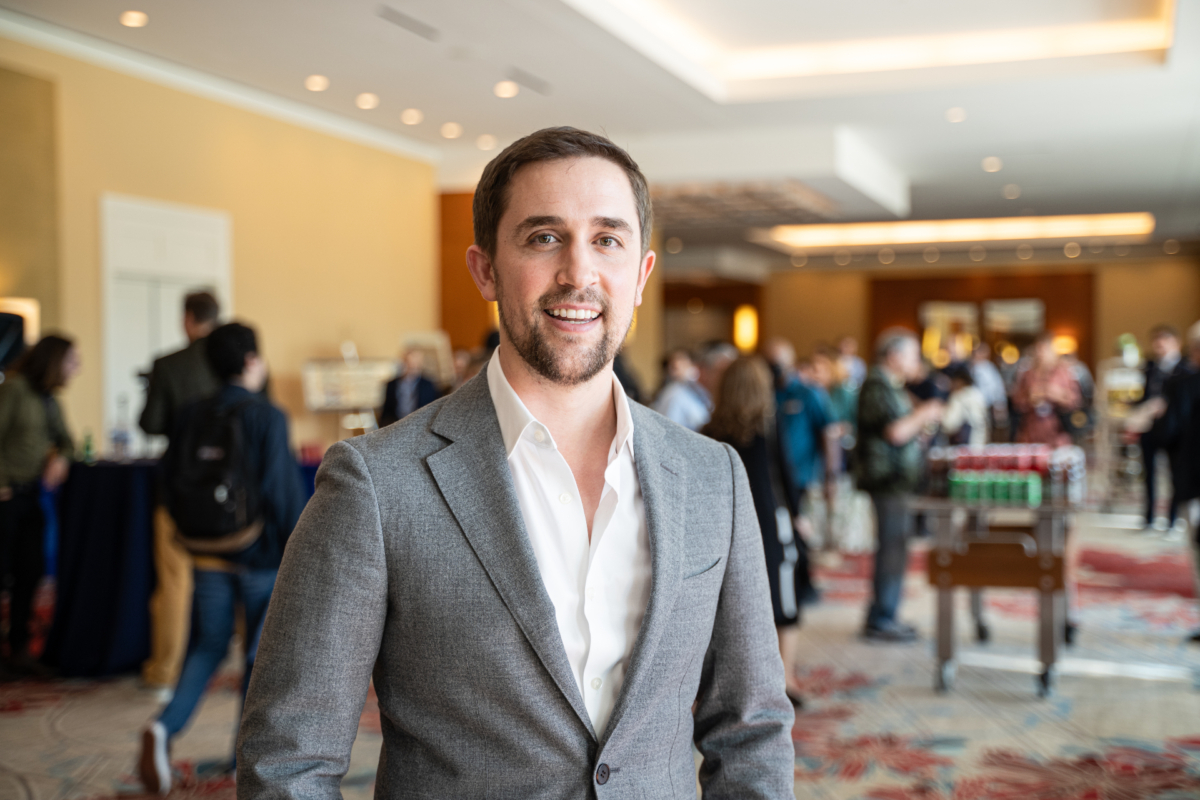
Mr. Berliner told News Nation that he’s not surprised by NPR’s response to his criticism.
“I will say I’ve had a lot of support from colleagues, many of them unexpected who say they agree with me,” he said. “Some of them say this confidentially.”
In response to a question over whether Mr. Berliner is worried that his criticism will open him up to being canceled, he said he’s not worried because he believes “people want open dialogue.”
“Most people are not locked into ideologies,” he said. “I think many people are just sick of it and it’s one of the reasons people distrust so much of the media whether it’s legacy media, whether it’s conservative media, you know what you’re getting.
Mr. Folkenflik later reported that in an interview, Mr. Berliner said the social media posts “demonstrated Maher was all but incapable of being the person best poised to direct the organization.”
“We’re looking for a leader right now who’s going to be unifying and bring more people into the tent and have a broader perspective on, sort of, what America is all about,” Mr. Berliner told him. “And this seems to be the opposite of that.”
 Friends Read Free
Copy
Facebook
Tweet
Friends Read Free
Copy
Facebook
Tweet