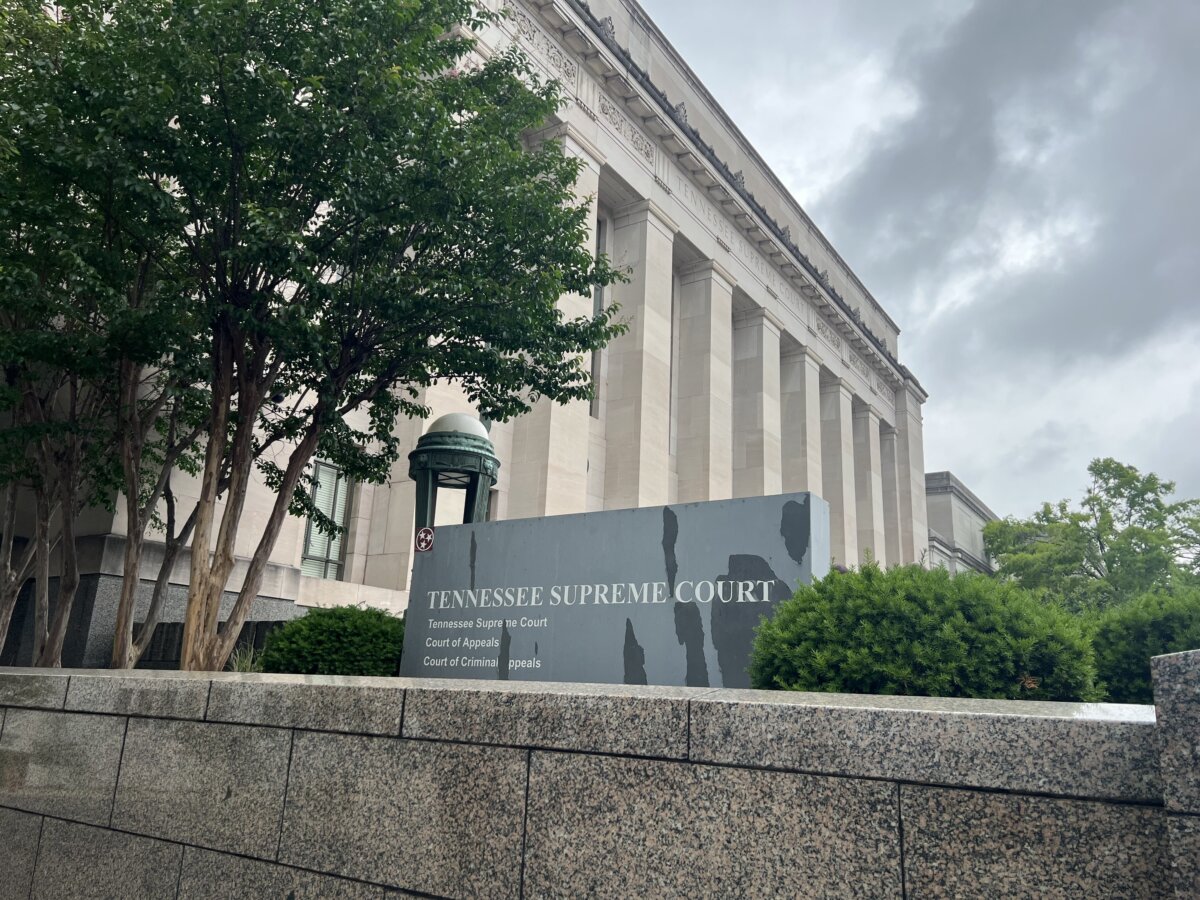

NASHVILLE—The Tennessee Supreme Court heard oral arguments on May 21 over whether it should block the use of a new, Republican-leaning U.S. congressional map before the state’s midterms.
The case was brought by a series of groups, including the Tennessee State Conference of the NAACP and Shelby County Voters Alliance, after the map passed the Republican-led Tennessee General Assembly and was signed into law by Gov. Bill Lee on May 7.
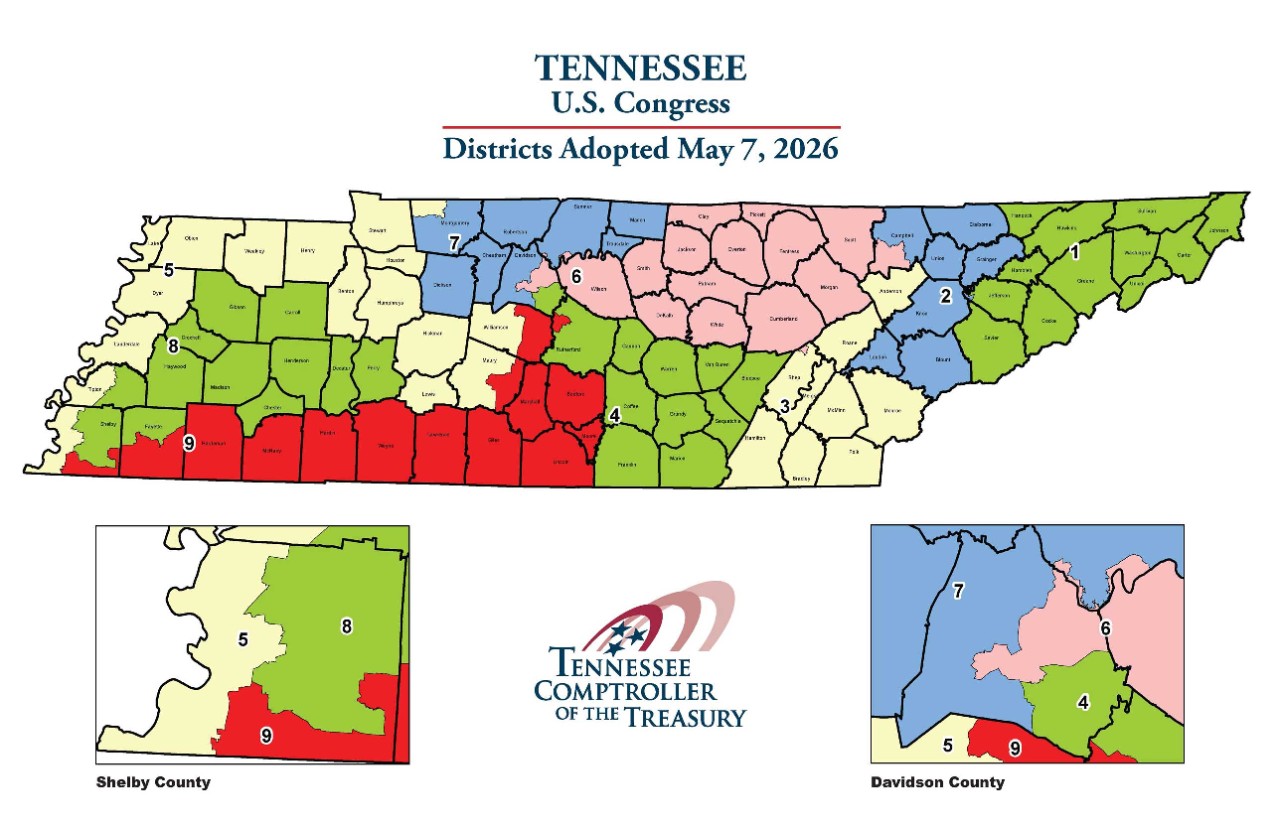
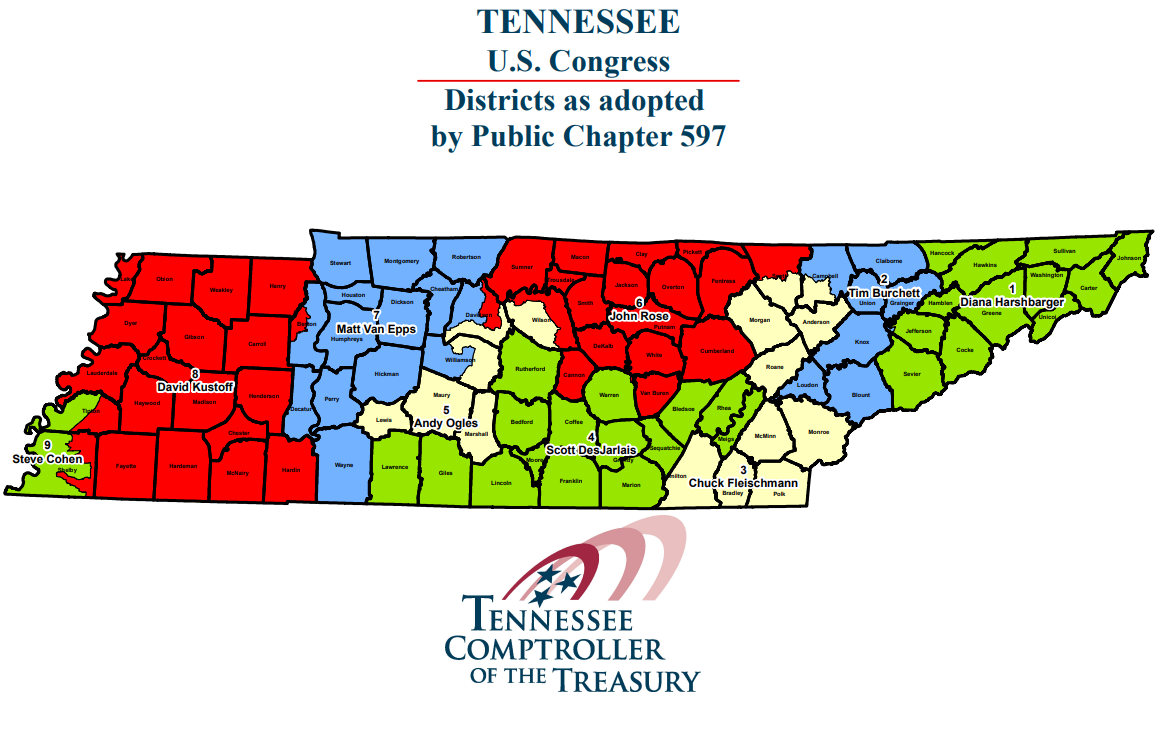
The court’s decision could affect the midterms, as the new law split up the state’s only Democratic stronghold in Memphis into three Republican-leaning districts.
Lawyers for the plaintiffs urged a three-judge panel on May 21 to block the newly passed map, arguing that the process by which it was produced was unconstitutional and violated Tennessee Code Section 2-16-102, a statute that prohibits congressional districts from being changed between federal censuses, which are held every 10 years.
NAACP lawyer Anthony P. Ashton argued that lawmakers also violated Article III, Section 9 of the Tennessee Constitution, which limits special sessions to only the exact purposes stated in proclamations.
Ashton said lawmakers did not properly “facilitate” and “comply with mandatory election qualifying timelines,” as stated in Lee’s proclamation calling a special legislative session.
“Facilitate means to either help make easier or to make sure that it’s brought about. … If you’re not making things easier, you’re not facilitating it here,” Ashton argued.
He also said that the proclamation ordered lawmakers to “comply with mandatory election qualifying timelines” and not make changes, which the new law did.
“It didn’t say to take the actions to change the mandatory deadlines, so by doing that, they’re outside the scope of what was requested and what they were authorized to do by the proclamation,” Ashton said.
Attorney Taylor Meehan, who represented Tennessee Secretary of State Tre Hargett and the State Election Commission, argued that actions taken by the General Assembly were constitutional and said anybody who thought otherwise may have misread Lee’s proclamation.
“The legislation coming out of the special session was constitutionally within that law, to conclude otherwise would require the most proud reading, or even a misreading of the proclamation, and abandoning the presumption of constitutionality owed to the legislature’s acts, including during special sessions,” Meehan said.
A “proud” reading of a statute is one that seeks to assertively expand a statute’s powers.
Meehan separately argued that the changes would not cause mass voter confusion ahead of the election.
“We expect that by next week every county—except Davidson—will have carried out their responsibilities to implement those legislatively enacted changes to districts and to the candidate ground rules,” Meehan told the panel.
Meehan said Davidson County officials, who govern parts of the Nashville metro area, plan to mail notices to inform voters about the changes in the first week of July, nearly one month before the state’s primary election for U.S. congressional seats is held.
Judge Anne Martin challenged Meehan during her argument, asking the lawyer whether she had ever run for office before.
Meehan responded, “I have not.”
Martin, who ran and won as a Democrat in 2018 for her seat on the Tennessee 20th Judicial District Chancery Court Part II, noted that candidates have to consider a detailed process before they run for any office, including discussing campaign cost estimates, voters in each district, and where they are placed.
The court did not issue a decision on May 21 but planned to make a ruling soon because of the upcoming primary election in August.
Tennessee is one of a number of states that started redistricting efforts after the United States Supreme Court ruled on April 29 that race could not be used as the primary factor when drawing boundaries for electoral districts.
 Friends Read Free
Copy
Facebook
Tweet
Friends Read Free
Copy
Facebook
Tweet