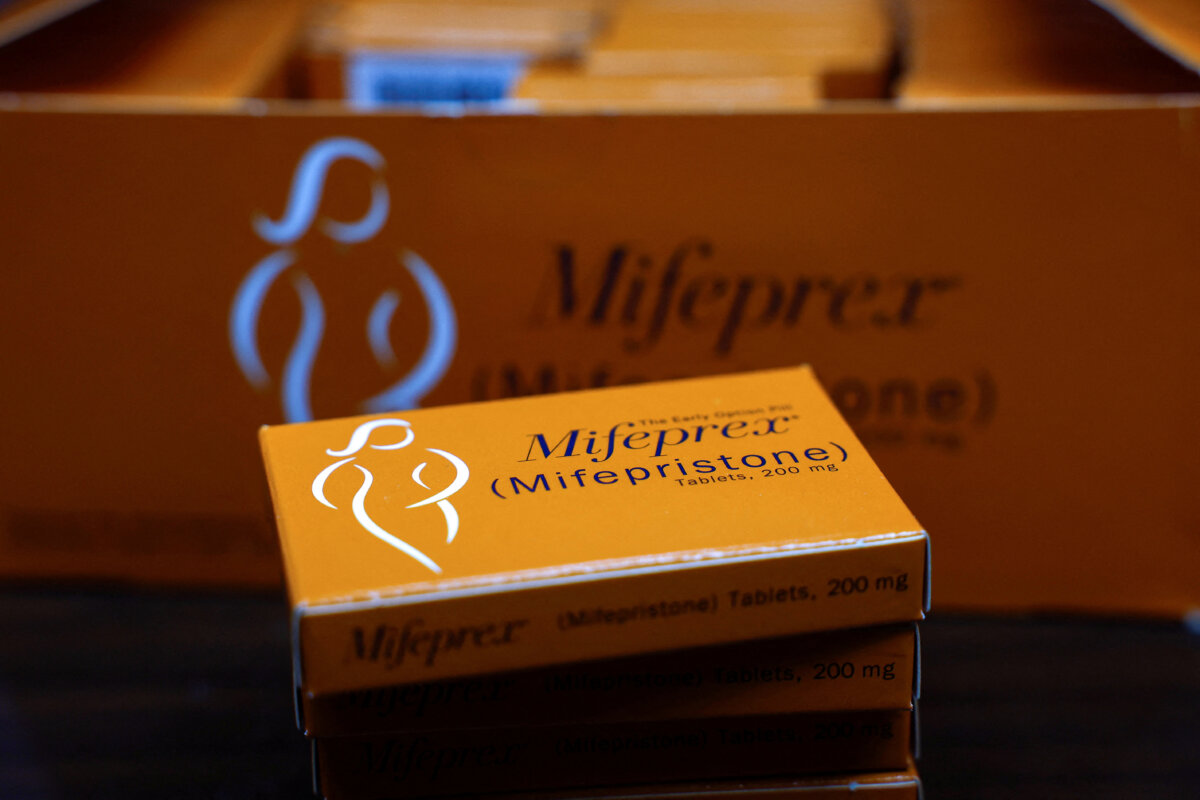

Attorneys general from three states have filed a new challenge in their lawsuit to restrict access to the abortion pill mifepristone in their states to encompass the U.S. Food and Drug Administration’s recent approval of a new generic version of the pill.
Missouri Attorney General Catherine Hanaway said on Nov. 20 that she had filed a new challenge against the FDA’s Sept. 30 approval of the new pill. She is joined by fellow plaintiffs Idaho Attorney General Raúl Labrador and Kansas Attorney General Kris Kobach.
“Mifepristone is sending women to the hospital with life-threatening complications, and yet drug companies continue pushing new versions of it into the market without basic medical safeguards,” Hanaway said in a statement. “Mail-order abortion drugs are dangerous when taken without in-person care, and Missouri will not stand by while manufacturers gamble with women’s lives.”
Mifepristone, taken with the drug misoprostol, is used for medical abortions in the first 10 weeks of pregnancy. The FDA first approved mifepristone in 2000, and it is utilized in more than 60 percent of abortions in the United States.
A group of pro-life organizations and doctors first filed a lawsuit in 2022. The original plaintiffs dropped their case following a 2024 Supreme Court ruling that determined they lacked the necessary legal standing to challenge the FDA’s regulation of the drug.
Hanaway, Labrador, and Kobach then intervened in the case and pushed forward, arguing that the FDA had acted improperly when deciding to ease restrictions on mifepristone, including allowing mail dispensation and remote prescriptions.
In Hanaway’s updated challenge against the FDA, the plaintiffs are seeking a preliminary injunction to rescind its Sept. 30 approval of the new generic mifepristone product manufactured by Evita Solutions.
Hanaway’s challenge specifically targets the FDA’s approval of Evita’s generic product, “even though the drug is chemically identical to earlier versions already linked to severe complications,” she said.
The Missouri attorney general’s office accused the FDA of approving the new generic version without requiring new safety studies while relying on “unsafe changes made in previous years.”
It was the second generic version of mifepristone to receive FDA approval after the agency approved the pill produced by GenBioPro in 2019.
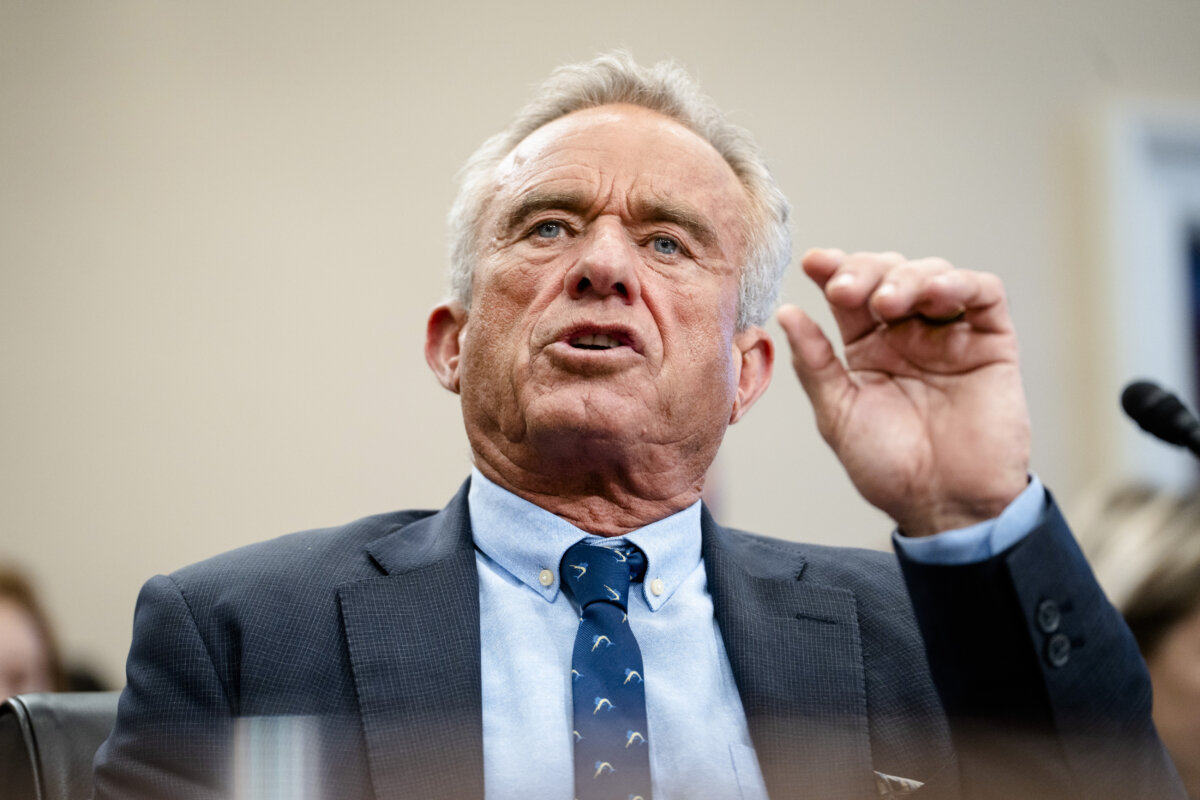
U.S. Health Secretary Robert F. Kennedy Jr. said in an Oct. 2 post on X that the FDA only approved Evita’s version because “federal law requires approval when an application proves the generic is identical to the brand-name drug.”
“Last month, I joined @DrMakaryFDA in writing to state attorneys general, pledging to review all the evidence — including real-world outcomes — on the safety of this drug,” Kennedy said. “Recent studies already point to serious risks when mifepristone is used without proper medical oversight.”
The FDA and Evita Solutions did not respond to requests for comment by publication time. Evita states on its website that the company “believes that all people should have access to safe, affordable, high-quality, effective, and compassionate healthcare, including abortion care.”
When the FDA announced its approval of the drug, the agency said it had “concluded that adequate information has been presented to demonstrate that the drug meets the requirements for approval under the [Food, Drug, and Cosmetic Act].”
“We have determined your Mifepristone Tablets, 200 mg to be bioequivalent and therapeutically equivalent to the reference listed drug (RLD), Mifeprex (mifepristone) tablets, 200 mg, of Danco Laboratories, LLC,” the FDA wrote in its approval letter.
The approval was met with swift criticism from Republicans and conservative groups, including Students for Life Action.
Students for Life Action President Kristan Hawkins said approval of the new generic version of mifepristone “represents a true failure.”
“More babies will die; more women will be harmed; and more Americans exposed to abortion water pollution as a direct result of this unfathomable decision,” she added.
Sen. Josh Hawley (R-Mo.) wrote on social media that he found the FDA’s approval shocking.
Reuters and Joseph Lord contributed to this report.
 Friends Read Free
Copy
Facebook
Tweet
Friends Read Free
Copy
Facebook
Tweet