



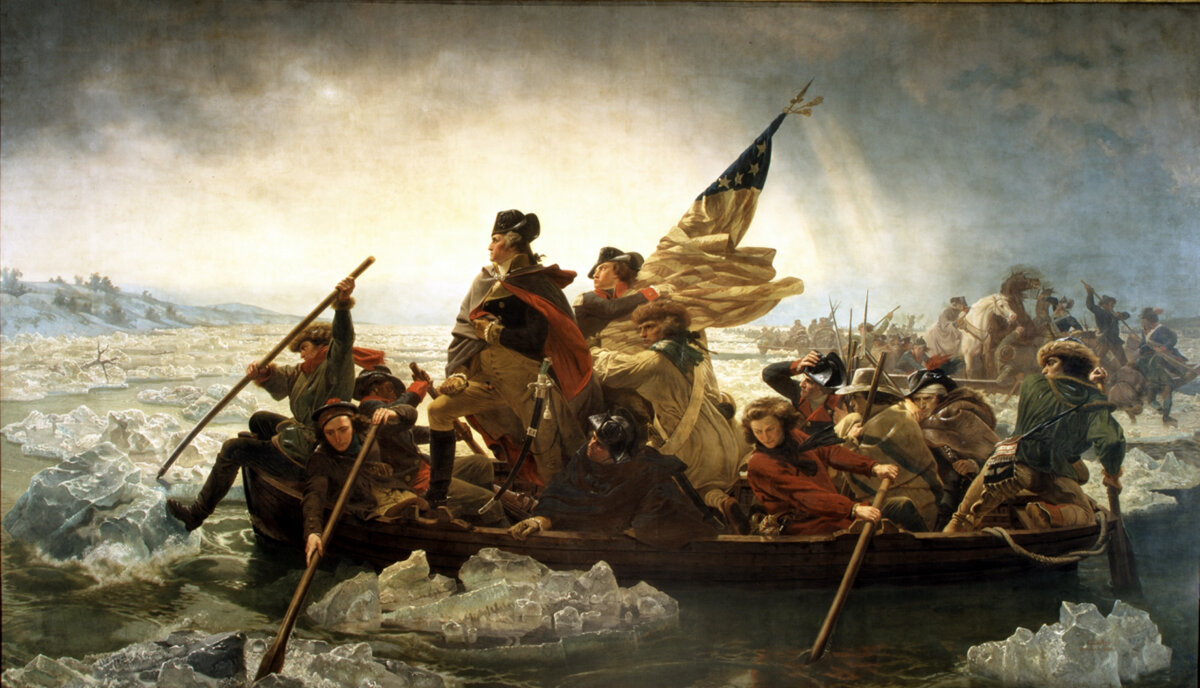
There was a time when art didn’t require explanation. Visitors could walk into a gallery, stand before a painting, and respond to what they saw, immediately and instinctively. Beauty, skill, proportion, and meaning weren’t abstractions to be parsed by academic skeptics. They were realities apprehended by the eye and understood by the heart.
Today, that experience has become increasingly rare. The contemporary art world often seems to demand mediation before viewers are permitted to understand what stands before them. In place of an honest reaction, one confronts a placard explaining an ideological framework.
The result has been a growing estrangement between art and the public. Museums struggle to maintain attendance. Younger generations, raised in a world of screens and algorithms, drift away from institutions that no longer seem to speak their language. Art, once central to cultural life, has become either a niche interest or a vehicle for alienating messages.
It’s into this moment that The Great American Art Competition emerges as a corrective to the current malaise.
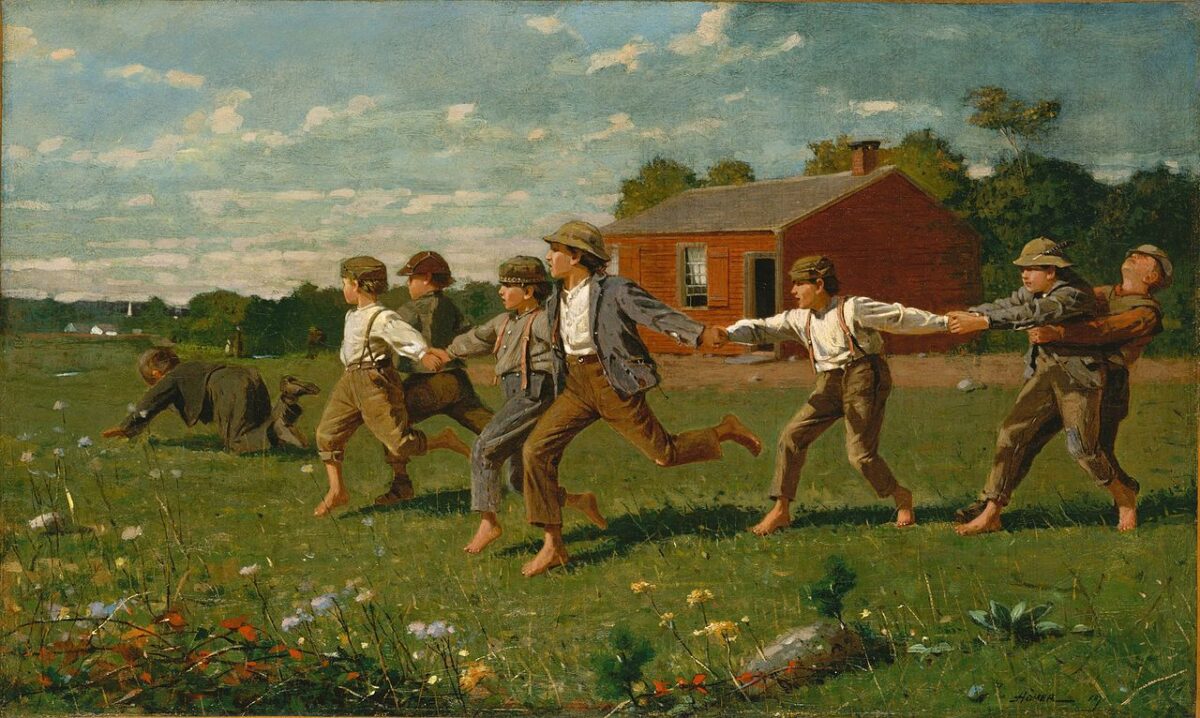
The Great American Art Competition
Founded last year by artist Adam Thompson, the competition is explicitly aimed at restoring a sense of direction to American art. As a proud partner of the Freedom 250 initiative celebrating the anniversary of American independence. Its mission is ambitious but clear: to empower artists to create work that reflects the spirit of the nation, to elevate shared values, and to rekindle a broader cultural appreciation for beauty and craftsmanship.

Thompson, who has spent nearly two decades working as an artist, describes the project as a response to a widening disconnect. He observes, “There are extraordinary artists across the country—especially younger artists—who are deeply committed to craft, beauty, and meaning but lack a serious national platform.”
The absence of a platform has left many artists working in relative obscurity. In his view, the competition is designed to “bridge that gap” and “help reestablish a shared standard of excellence in American art.”
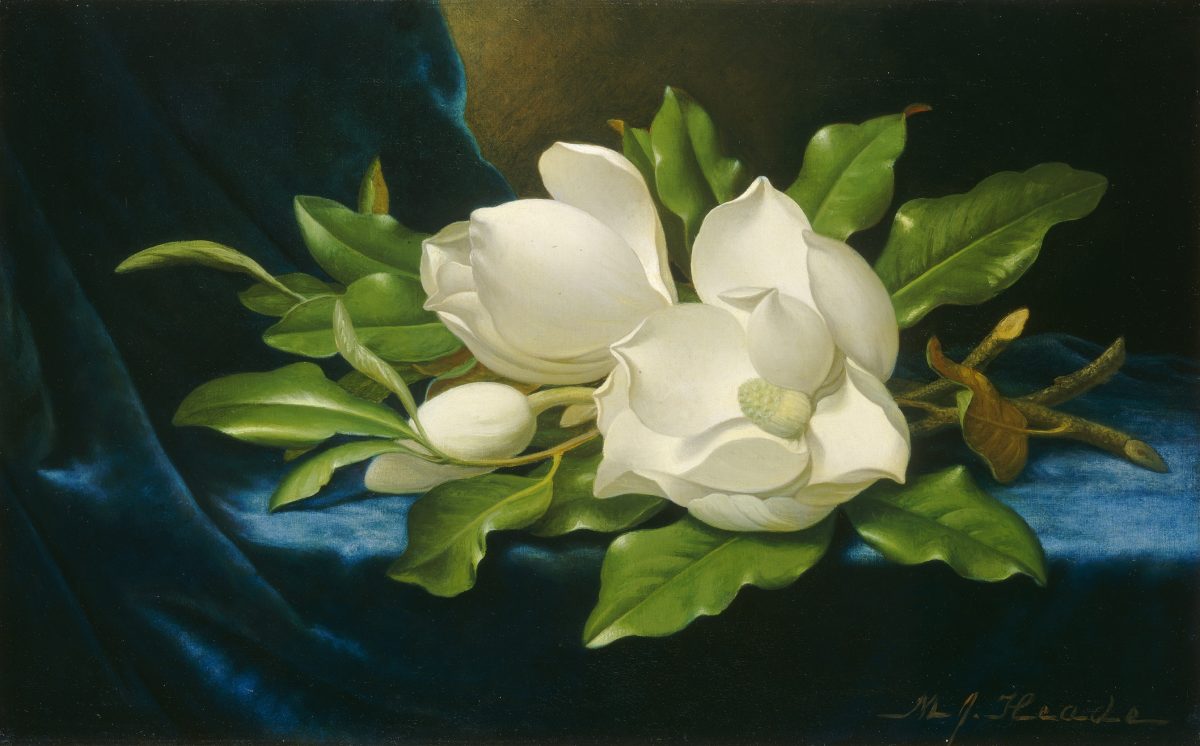
Restoring Standards
Central to the competition is a return to three guiding principles: quality, beauty, and timelessness.
While some would consider these vague ideals, Thompson sees them as operational criteria. As he explains it, “quality” refers to technical command, an artist’s ability to execute his vision with precision. “Beauty” is understood as visual power: a work that can hold attention and reward repeated viewing. “Timelessness,” perhaps the most elusive of the three, is defined by independence from passing trends. It is art that endures.
In practical terms, this means that submissions are judged not on theoretical framing or ideological alignment, but on their ability to stand on their own. “The goal is to identify art that people can respond to directly and that will still feel meaningful decades from now.”
This approach marks a deliberate departure from prevailing norms. One of Thompson’s chief criticisms of the current art world is its detachment from its audience. Too often, he argues, recognition flows through institutional channels that prioritize internal validation over public engagement. The result is art that may be celebrated within narrow circles but fails to resonate more broadly.
A 2025 report from the American Alliance of Museums found that over half of U.S. museums are experiencing lower attendance than they did in 2019, before the pandemic.
“When it comes to museum attendance, people are voting with their feet,” Thompson observed.
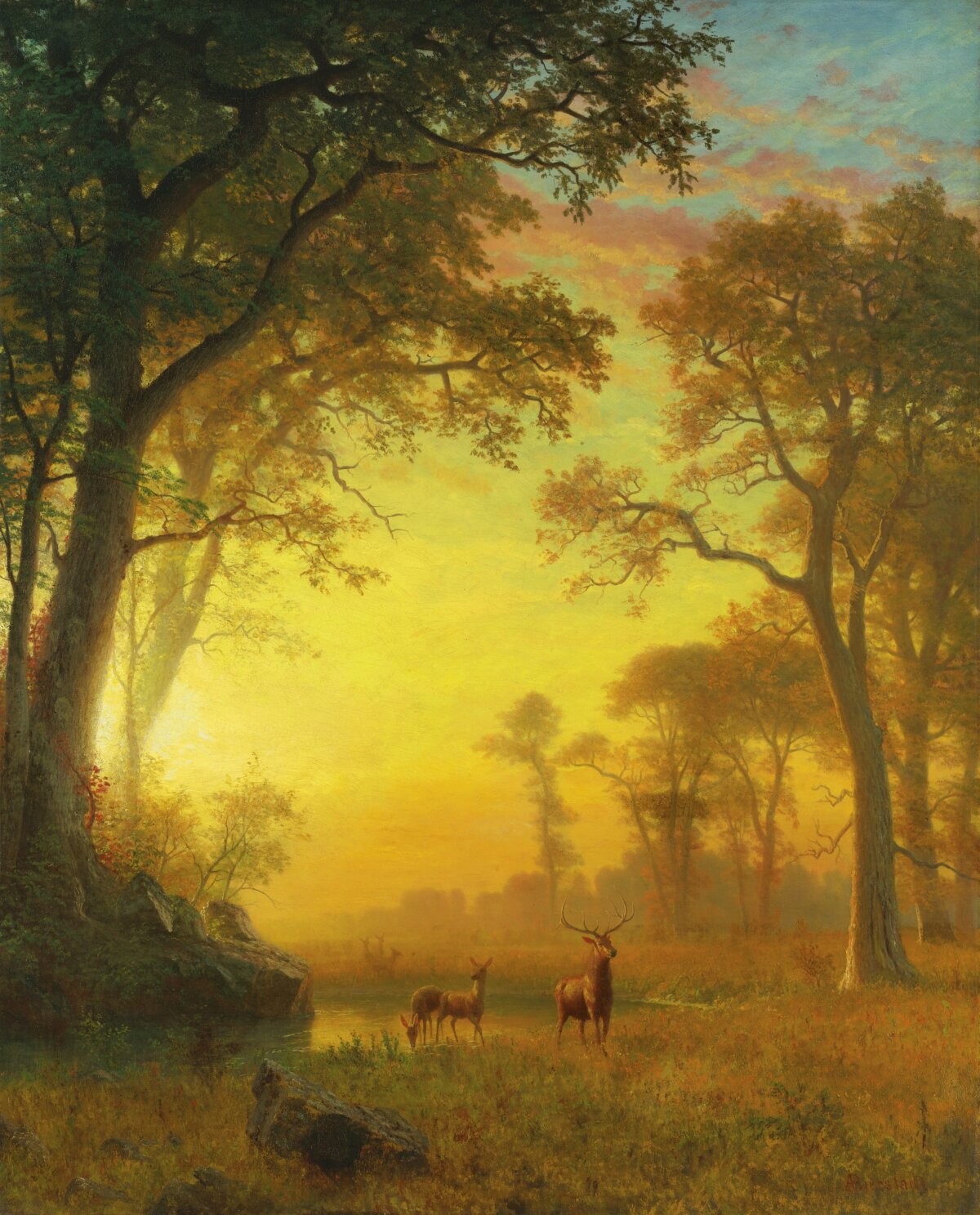
A National Platform
The competition seeks to reverse that trend by rewarding visually compelling and immediately engaging works. Its scale reflects its ambitions. With almost $50,000 raised so far and a total projected prize pool of $125,000, it represents a significant investment in emerging and established artists alike.
Rather than concentrating recognition in a single winner, the prize structure is distributed across multiple categories and career stages. This, Thompson explains, is intentional. “The philosophy was to build something that supports an entire ecosystem, not just crown a single winner.”
The competition includes a national call for entries, a professional jury, and a public exhibition in Washington, alongside a student component aimed at young artists. The long-term vision extends even further, with plans for a national touring exhibition that will bring selected works to cities such as Philadelphia and Los Angeles, linking the historical origins of the nation with its contemporary cultural centers.
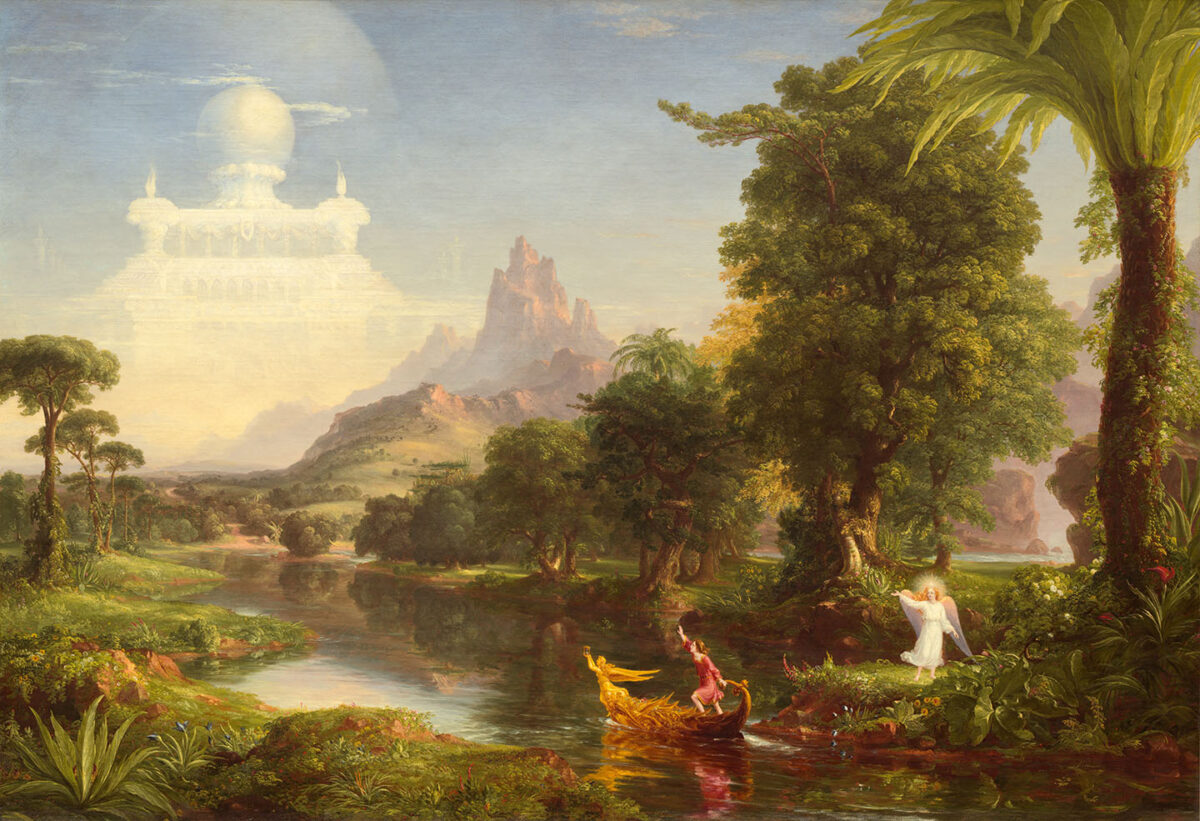
Building a Cultural Ecosystem
Beyond the prizes and exhibitions, The Great American Art Competition was conceived as a broader cultural initiative.
One of its goals is to strengthen the artistic infrastructure in cities like Washington, which, despite their institutional resources, often lack a cohesive and vibrant gallery scene. By concentrating attention, talent, and patronage, the competition hopes to catalyze a more dynamic artistic community.
At the same time, it seeks to influence the larger ecosystem in which art is created and evaluated. For Thompson, this means shifting the balance away from centralized decision-making toward a model that emphasizes artistic merit and public resonance.
It also means investing in the next generation. With targeted awards for young and emerging artists, the competition aims to shape minds early. Over time, such reinforcement can have a cumulative effect, influencing not only individual careers but also the direction of the culture itself.
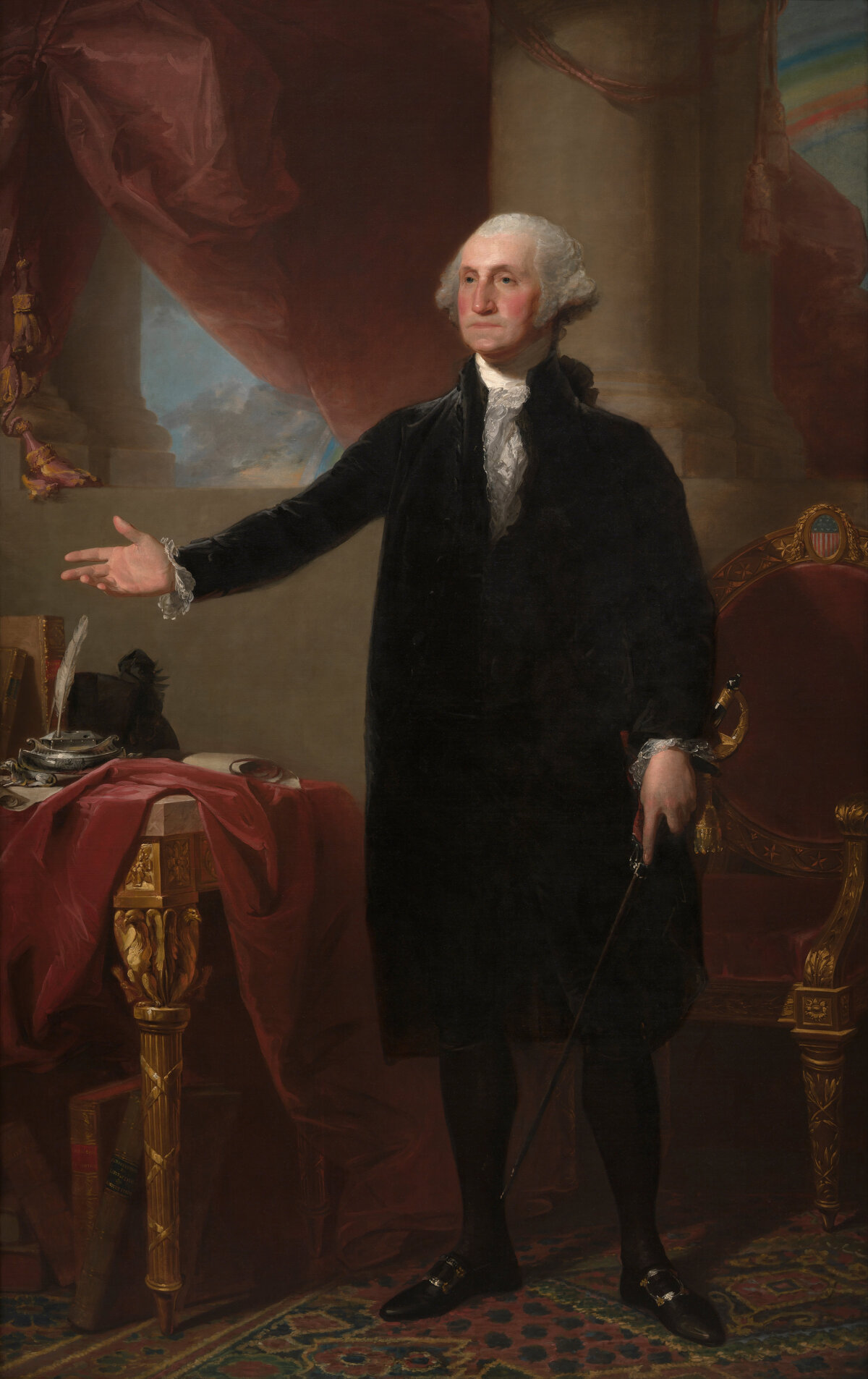
A Long-Term Vision
What would success look like for such an endeavor? For Thompson, the answer is measured not in years, but in decades. The ultimate goal is to “restore confidence in American art” by rebuilding trust between artists, institutions, and the public.
This includes expanding access through a network of smaller museums and exhibition spaces, particularly in underserved areas. It also involves rethinking the role of curators and cultural gatekeepers, placing greater emphasis on those deeply engaged with the practice of art itself.
If successful, the competition could help to reestablish something that has eroded: a shared cultural standard for what constitutes serious, meaningful work.
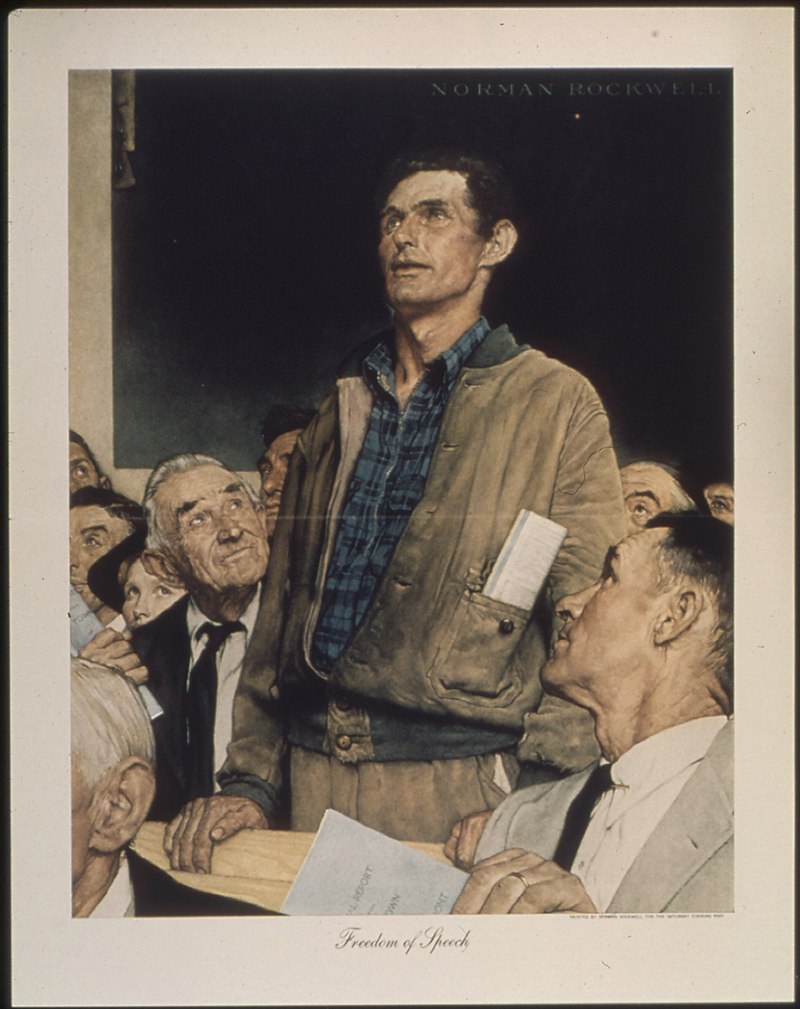
Why It Matters
At a moment when the United States approaches its 250th anniversary, the stakes have civilization-wide consequences.
In one sense, The Great American Art Competition is a celebration. It’s an effort to honor our nation’s traditions through creative expression. But it is also an intervention. It asks a simple but profound question: What kind of culture do we wish to create?
If art is, as it has always been, a reflection of a people’s highest aspirations, then the answer cannot be left to chance. It must be cultivated, supported, and reclaimed. In that effort, the competition represents not a final solution, but a beginning.
In a cultural landscape often defined by fragmentation and uncertainty, a new beginning is precisely what’s needed.
What arts and culture topics would you like us to cover? Please email ideas or feedback to features@epochtimes.nyc
