
The National Oceanic and Atmospheric Administration (NOAA) filed a 113-page regulation in the Federal Register on Jan. 21, which activated a rule to accelerate permitting for deep-sea mining companies through the agency.
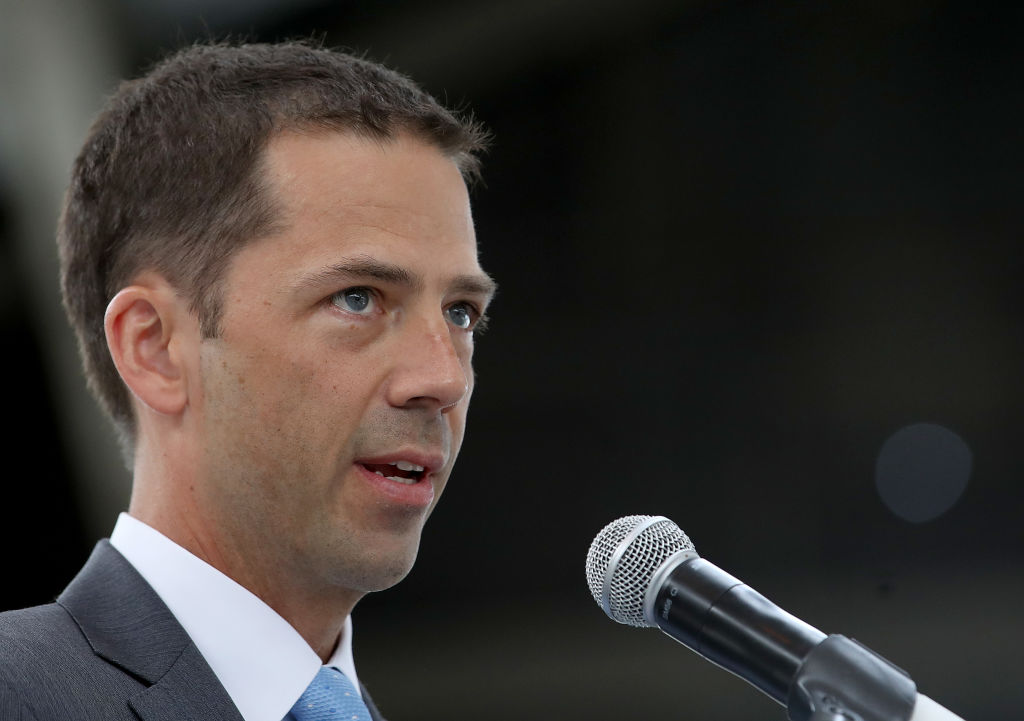
NOAA Administrator Neil Jacobs is using a 1980s law passed by Congress that allows U.S. citizens to explore the seabed to mine minerals until an international regulatory regime is in place. Congress authorized NOAA to issue exploration licenses and commercial recovery permits to U.S. citizens for deep-seabed mining activities.
“Deep seabed mining is key to unlocking a domestic source of critical minerals for the United States,” Jacobs said in a statement. “This consolidation modernizes the law and supports the America First agenda by enabling U.S. companies to access these resources more quickly, strengthening our nation’s economic resilience and advancing the discovery and use of critical seafloor minerals.”
The new rules set in motion by the Trump administration on Jan. 21 will allow companies to mine deep seas for minerals beyond the waters of the United States. The United States is moving to issue licenses under its own laws instead of waiting for the International Seabed Authority (ISA) to finalize global rules, which multiple countries view as a violation of the U.N. Convention on the Law of the Sea (UNCLOS).
The secretary-general of the ISA said in an April 2025 statement that any unilateral action outside of the UNCLOS framework “sets a dangerous precedent that could destabilize the entire system of global ocean governance.”
The Chinese Ministry of Foreign Affairs in 2025 alleged that the new U.S. seabed policy exceeds the limit of national jurisdiction. China currently holds a near monopoly in mining and processing critical minerals.
A report prepared for Congress by Caitlin Keating-Bitonti, published July 15, 2025, covered the issues related to seabed mining in international waters and explored whether the United States should wait for global regulations to be adopted or consider creating its own framework.
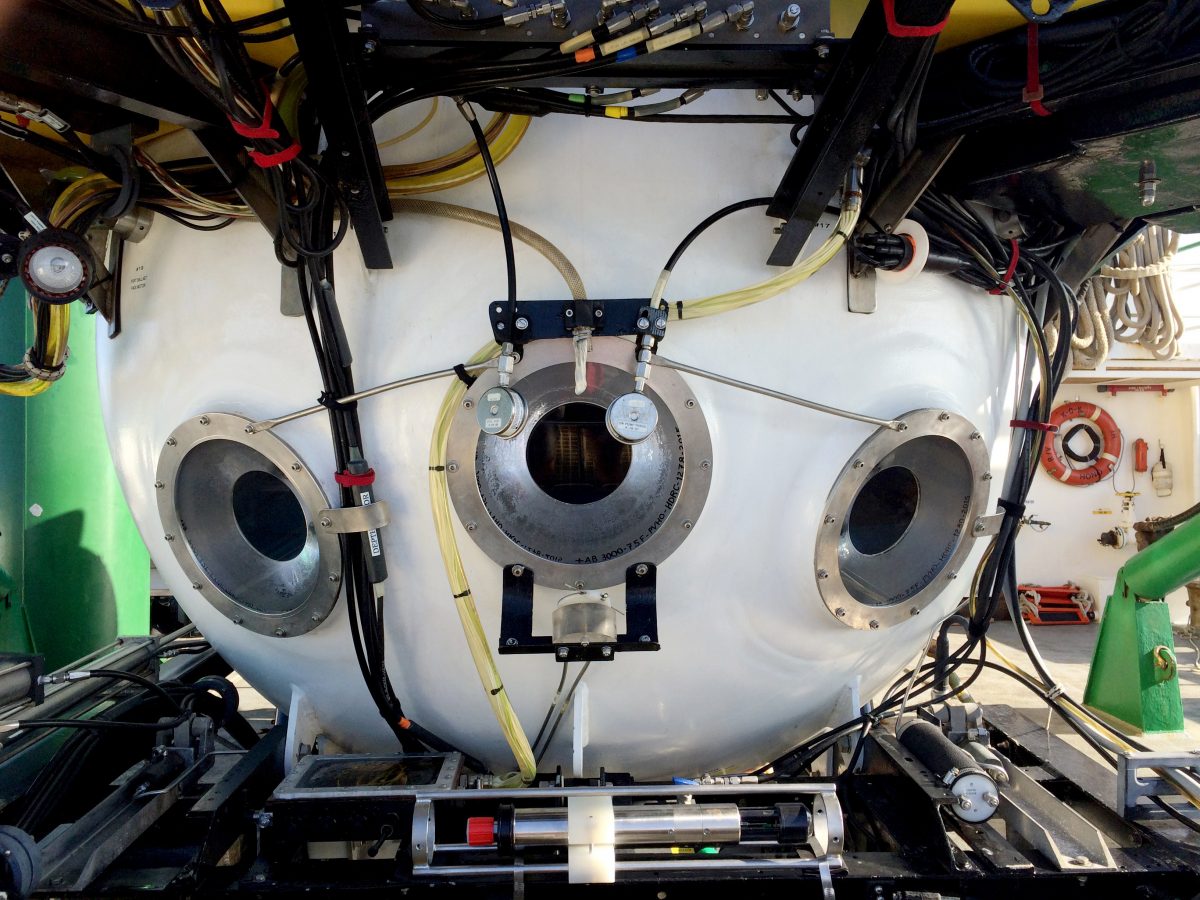
“Sourcing minerals from the deep sea could reduce U.S. dependency on importing land-based minerals and reduce potential supply disruptions, including critical mineral supplies controlled by the People’s Republic of China,” Keating-Bitonti wrote.
Some of the elements needed for batteries, such as cobalt, copper, manganese, and nickel, are more abundant on the sea floor than in land deposits, according to the report.
Deep-seabed mining was first explored in the 1960s. Commercial test mining for metals on the seabed started 10 years later. In 1994, ISA was created under UNCLOS.
The ISA can issue exploration and exploitation contracts for three types of seabed mineral deposits.
In 1982, the United States, under President Ronald Reagan, was not comfortable with some of the seabed mining provisions and did not sign the UNCLOS convention.
In 1994, the United Nations adopted a resolution removing some of the provisions that many nations had rejected. Then-President Bill Clinton submitted the agreement to the U.S. Senate for advice, but the agreement was never ratified.
Because the United States is not a party to UNCLOS, it cannot sponsor companies interested in contracts to explore or mine seabed minerals in international waters. However, the United States has authorized mining permits to U.S.-based companies under domestic law.
The ISA has not yet adopted regulations that allow mining of seabed minerals and can’t issue permits. The agency’s initial deadline to adopt permit regulations was 2020, but that was delayed during the COVID-19 pandemic.
U.S. President Donald Trump issued an executive order in April 2025 titled “Unleashing America’s Offshore Critical Minerals and Resources,” making it a policy of the United States to advance the nation’s leadership in seabed mineral development.
The order calls for supporting investment in deep-sea science, mapping, and technology, and establishing the United States as a global leader in seabed mineral exploration.
Correction: A previous version of this article misspelled the name of Caitlin Keating-Bitonti. The Epoch Times regrets the error.
 Friends Read Free
Copy
Facebook
Tweet
Friends Read Free
Copy
Facebook
Tweet