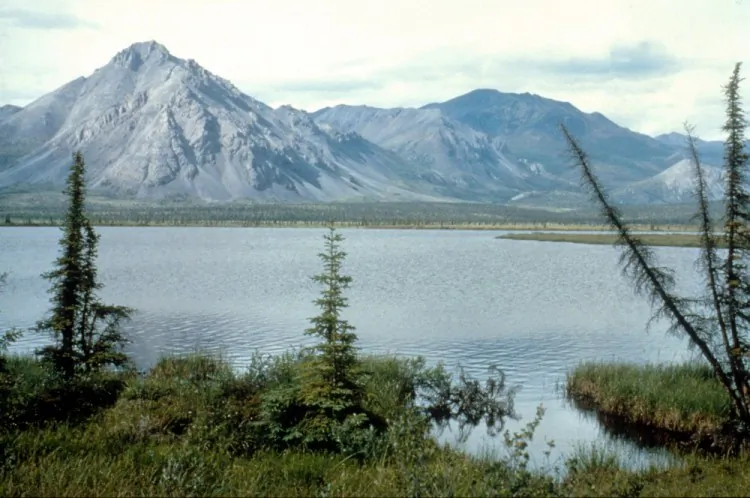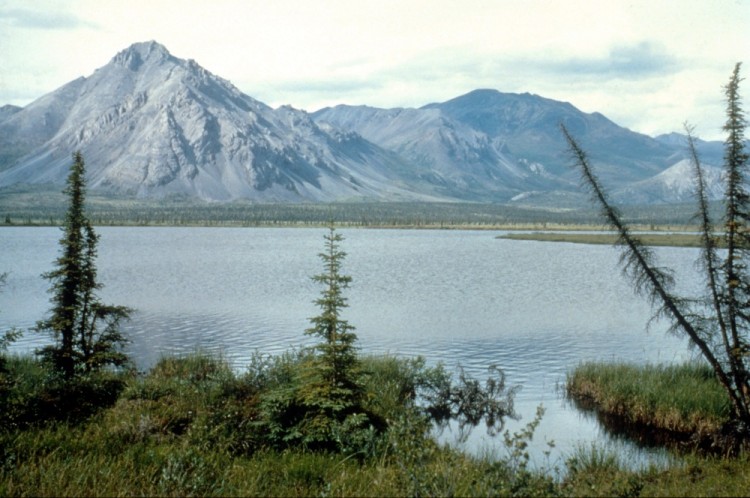

The Department of the Interior (DOI) said on Oct. 23 that it will reopen the coastal plain of Alaska’s Arctic National Wildlife Refuge (ANWR) to oil and gas leasing, reversing the limits imposed by the previous administration.
The Biden administration had previously restricted oil and gas activity in the reservation as part of an effort to preserve fish and wildlife habitats.
After taking office for a second term on Jan. 20, President Donald Trump signed an executive order instructing the reinstatement of the leasing program in the 1.56-million-acre coastal plain.
The DOI said in a statement that, in accordance with Trump’s order, it has now issued a new record of decision reopening the area to oil and gas development.
The department also stated that it will restore oil and gas leases to the Alaska Industrial Development and Export Authority (AIDEA), after a court ruling in March found the Biden administration had unlawfully canceled seven leases awarded to AIDEA under Trump’s first term.
“By reopening the Coastal Plain and advancing key infrastructure, we are strengthening energy independence, creating jobs and supporting Alaska’s communities while driving economic growth across the state,” Interior Secretary Doug Burgum said.
The department noted that it has reissued the necessary permits for the Ambler Road Project, a proposed 211-mile industrial road in Alaska, which would open access to copper and cobalt deposits.
Burgum also signed an agreement allowing a land exchange between the DOI and the King Cove Corporation, an Alaska native village corporation, involving lands within the Izembek National Wildlife Refuge.
Alaska Gov. Mike Dunleavy said the land exchange will enable the state to construct an 11-mile road linking King Cove and Cold Bay, providing King Cove residents with access to Cold Bay’s all-weather airport.
The DOI issued certificates awarding three Alaska Native veterans with 160-acre plots of land each under a federal allotment program for Alaska Natives who served in the Vietnam War.
Dunleavy praised the federal government’s efforts in Alaska.
“The land transfer for the King Cove Road will save lives, economic opportunities will be unlocked in the Ambler Mining District and ANWR’s Coastal Plain, and Alaska Native Vietnam-era veterans will finally receive land allotments they were promised,” the governor said in a statement.
The environmental group Sierra Club opposed the DOI’s move, saying it favors the interests of oil and gas companies over protecting Alaska’s wildlife and natural heritage.
Dan Ritzman, director of conservation at the Sierra Club, said in a statement that the federal government’s actions would severely damage the state’s ecosystems.
“Alaska Natives have called these landscapes home since time immemorial, and wildlife rely on them to survive and thrive. These decisions will collectively wreak havoc on fragile Alaska ecosystems in the most disruptive way possible, causing long-term environmental damage, all to boost the bottom lines of CEOs,” Ritzman said.
The DOI did not respond to a request for comment by publication time.
 Friends Read Free
Copy
Facebook
Tweet
Friends Read Free
Copy
Facebook
Tweet