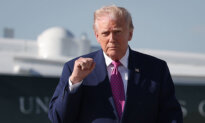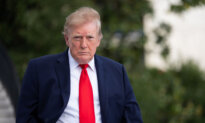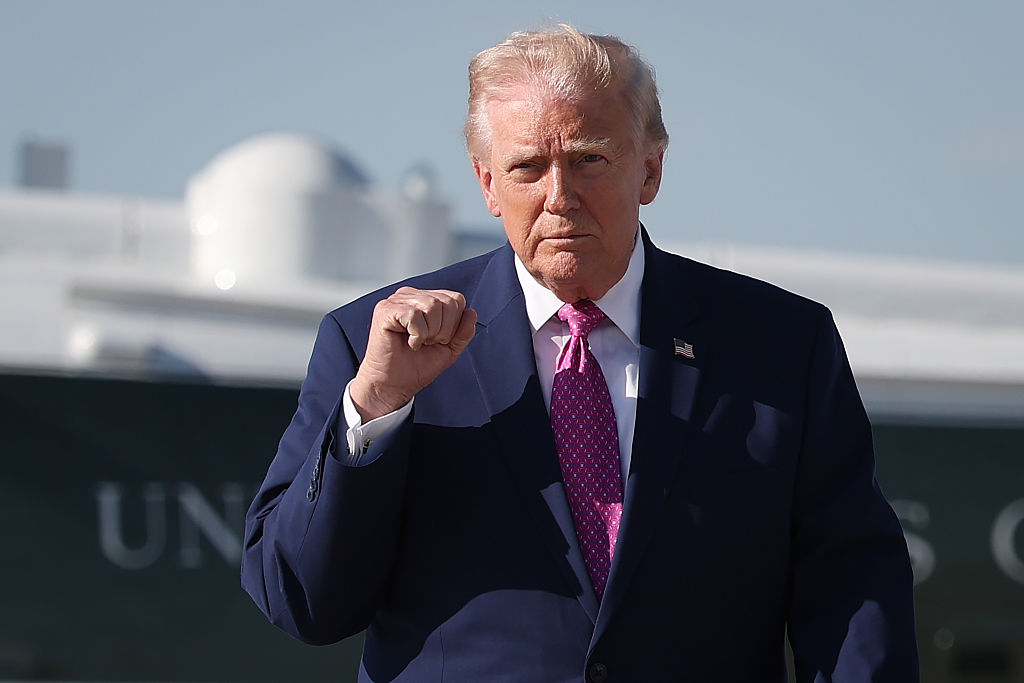

President Donald Trump on April 23 urged Congress to update the law to ensure that Americans have access to “full-spectrum” cannabidiol (CBD) products.
“In December, I signed a very important Executive Order calling for Research and Innovation for Hemp-derived CBD — Something that has made a HUGE difference for so many people,” Trump wrote in a post on Truth Social.
“In fact, ONE in FIVE adults used it in the past year, and many say it improved their chronic pain enormously.”
He also said that Dr. Mehmet Oz, the TV physician turned administrator of the Centers for Medicare & Medicaid Services, “moved fast to follow the directive in the Executive Order, and launched a model for some Seniors earlier this month. But more must be done!”
The December 2025 executive order Trump referred to called for an increase in “Medical Marijuana and Cannabidiol Research.”
The order cites a determination by the Department of Health and Human Services, which found that medical marijuana is currently accepted for medical use in treating 15 medical conditions, across 43 jurisdictions and 30,000 practitioners.
“I am calling on Congress to update the Law to ensure that Americans can continue to access the full-spectrum CBD products they have come to rely on, and that help them, while preserving Congress’s intent to restrict the sale of products that pose Health risks,” Trump wrote, saying that it must be done “right and fast,” suggesting that it would also benefit American farmers.
The move came the same day that Acting Attorney General Todd Blanche signed an order reclassifying state-licensed medical marijuana as a less-dangerous drug.
The order does not legalize marijuana for medical or recreational use under federal law. But it does change the way it’s regulated, shifting licensed medical marijuana from Schedule I—reserved for drugs without medical use and with high potential for abuse—to the less strictly regulated Schedule III.
Schedule I drugs are determined to have no federally accepted medical use and a high potential for abuse. Schedule I drugs include substances like heroin and LSD.
Schedule III drugs are classified as having a lower potential for abuse and are accepted for medical use and treatment. This includes medications like Tylenol with codeine and anabolic steroids.
The Controlled Substances Act, signed into law in 1970, puts all substances that are regulated under federal law into five schedules, divided by evaluation of the product’s medical use, potential for abuse, and safety liability.
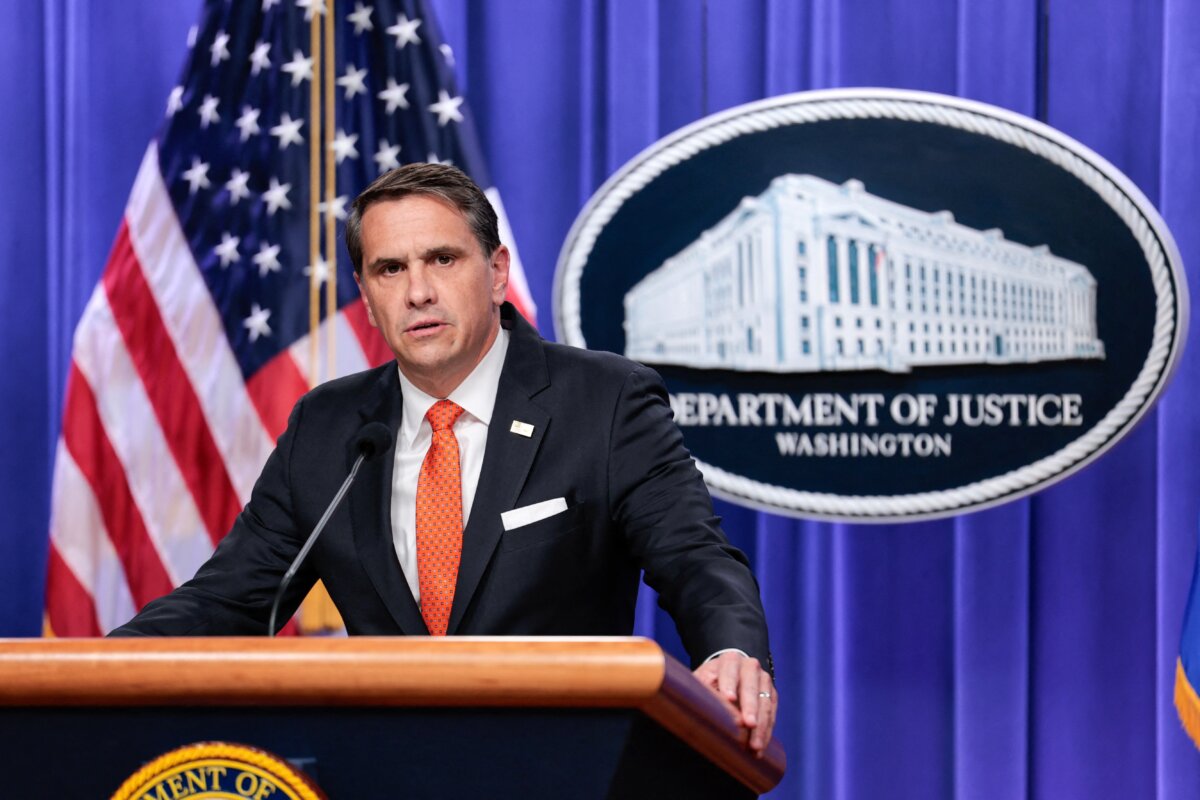
Blanche said the Department of Justice (DOJ) is delivering on Trump’s “promise to improve American healthcare” with the change.
“These actions will enable more targeted, rigorous research into marijuana’s safety and efficacy, expanding patients’ access to treatments and empowering doctors to make better-informed healthcare decisions,” Blanche said in a post on X.
The DOJ and the Drug Enforcement Administration (DEA) have issued an order to expedite the administrative hearing process to consider the broader rescheduling.
Earlier this year, the U.S. Supreme Court heard arguments on banning regular cannabis users from owning firearms, in United States v. Hemani. Up for debate during the March 2 oral arguments was whether the federal government can use the Gun Control Act to prohibit the ownership of firearms by those who use controlled substances.
DOJ lawyer Sarah Harris argued that the law is meant to disarm citizens who use illegal substances that may affect a gun owner’s judgment, including cannabis.
Justice Amy Coney Barrett questioned whether it would violate the Second Amendment to apply the same logic to those who might unlawfully use Ambien, Xanax, or similar drugs. The court has yet to issue a ruling on the case.
Savannah Hulsey Pointer contributed to this report.
 Friends Read Free
Copy
Facebook
Tweet
Friends Read Free
Copy
Facebook
Tweet