

WASHINGTON—U.S. lawmakers are introducing legislation to rename the street next to the Chinese Embassy in Washington in memory of the 1989 Tiananmen Square massacre, a bloody chapter in modern Chinese history that the communist regime has tried to erase.
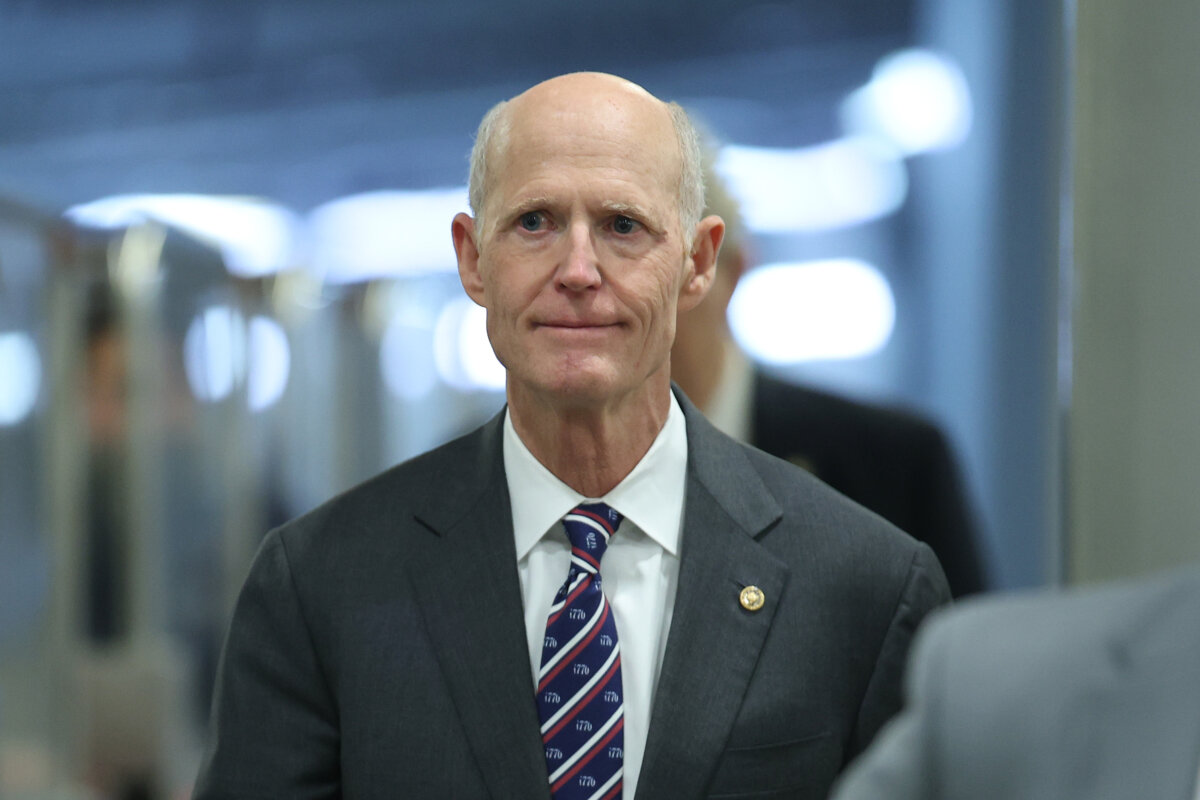
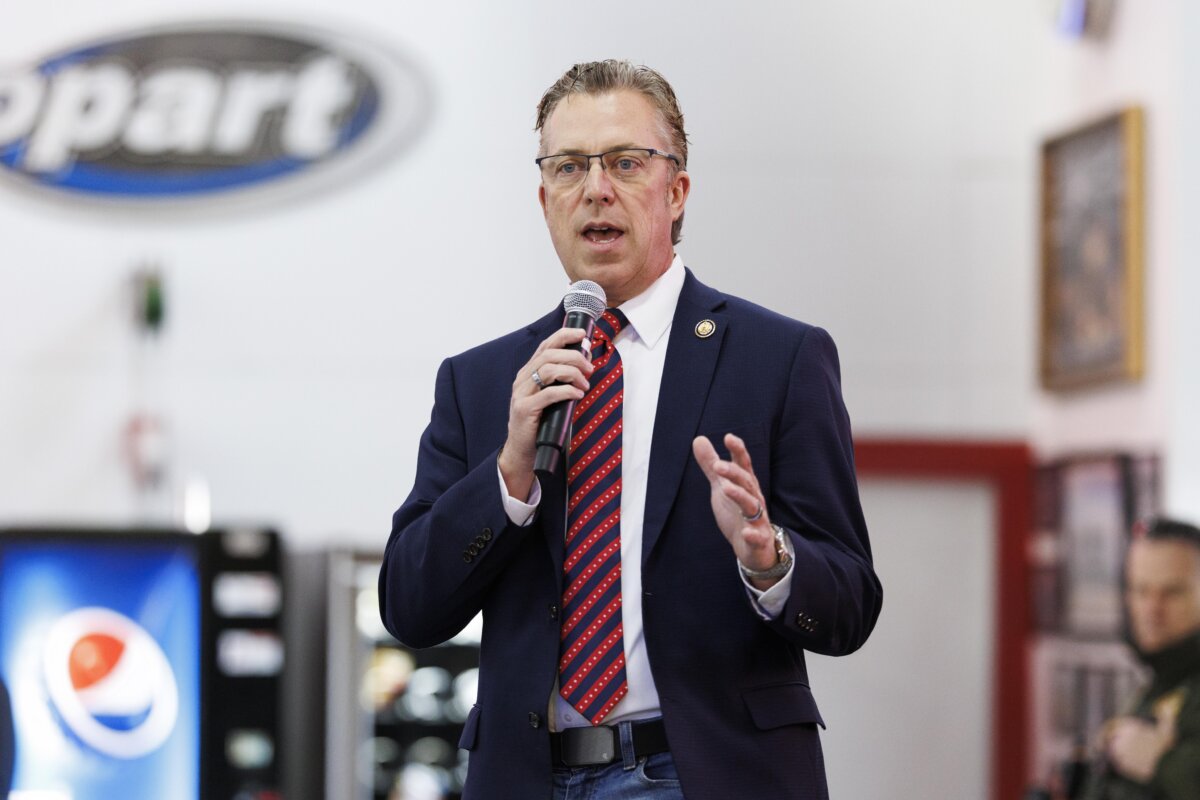
Sen. Rick Scott (R-Fla.) is introducing the legislation on June 4, the 37th anniversary of the 1989 massacre. A companion bill will be introduced in the House by Rep. Andy Ogles (R-Tenn.).
The proposal would change the address of the Chinese Embassy in Washington from 3505 International Place NW to 1 Tiananmen Square Memorial Boulevard, according to bill text shared with The Epoch Times ahead of its release.
Scott said the proposal aims to condemn “the heinous human rights abuses” committed by the Chinese Communist Party (CCP) and “pay tribute to the lives lost on that horrific day.”
“Thirty-seven years ago, the world witnessed the true brutality of the Chinese Communist Party when countless peaceful demonstrators were murdered in cold blood for opposing the communist regime,” he said in a statement to The Epoch Times.
“The regime has shown no remorse for this horrific event, has never taken accountability, and continues to commit severe human rights violations to this day.”
If the bill is enacted, a street sign reading “Tiananmen Square Memorial Boulevard” would be installed in front of the Chinese regime’s diplomatic outpost in Washington.
Maps, regulations, and any other official records that reference the location would also be updated to reflect the new name.
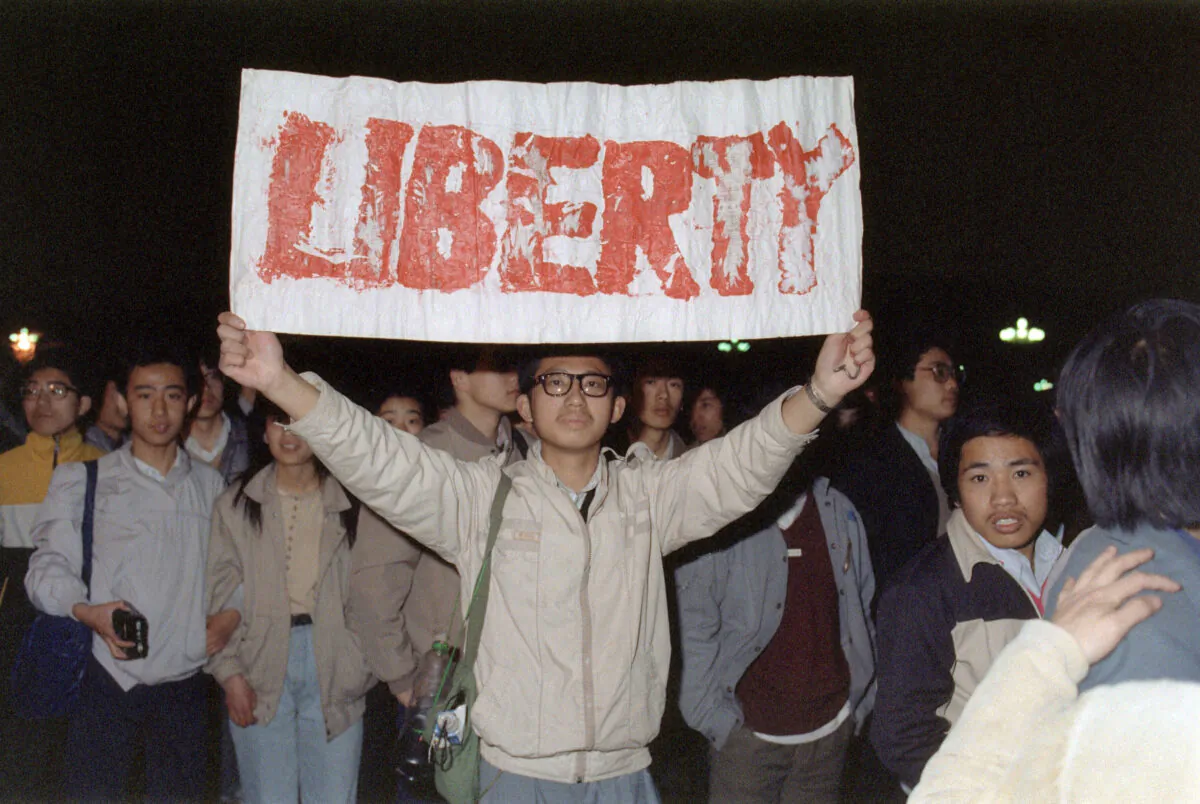
On the night of June 3, 1989, the CCP sent troops to crush weeks of student-led protests in Tiananmen Square calling for greater freedom and a more open society. Soldiers then rolled in with tanks, crushing peaceful demonstrators and firing live rounds at unarmed students in the center of Beijing. Witnesses and human rights groups estimated that hundreds, possibly thousands, lost their lives before dawn.
To this day, Beijing has yet to disclose the number or the identities of those who were killed.
Chinese authorities have kept the victims’ families under tight surveillance, and internet censors scrubbed any information alluding to the bloody event, leaving many younger Chinese unaware of what happened that night.
Ogles denounced the Chinese communist regime as “immoral” and “genocidal.”
“The CCP may try to erase history, but we will not forget,” he said in a statement. “As the CCP continues its reign of terror, America must unequivocally condemn its human rights abuses and honor the victims who were slaughtered in 1989.”
In the days before this year’s June 4 anniversary, dissidents and activists from multiple cities across the country told The Epoch Times that they are under tight police surveillance or have received warnings from authorities against participating in public gatherings and speaking to foreign media.
Security is also tight in Hong Kong. On June 3, The Epoch Times saw a performance artist being stopped and searched by plainclothes police after trying to remember the victims with a thin red thread in Hong Kong’s bustling Causeway Bay area.
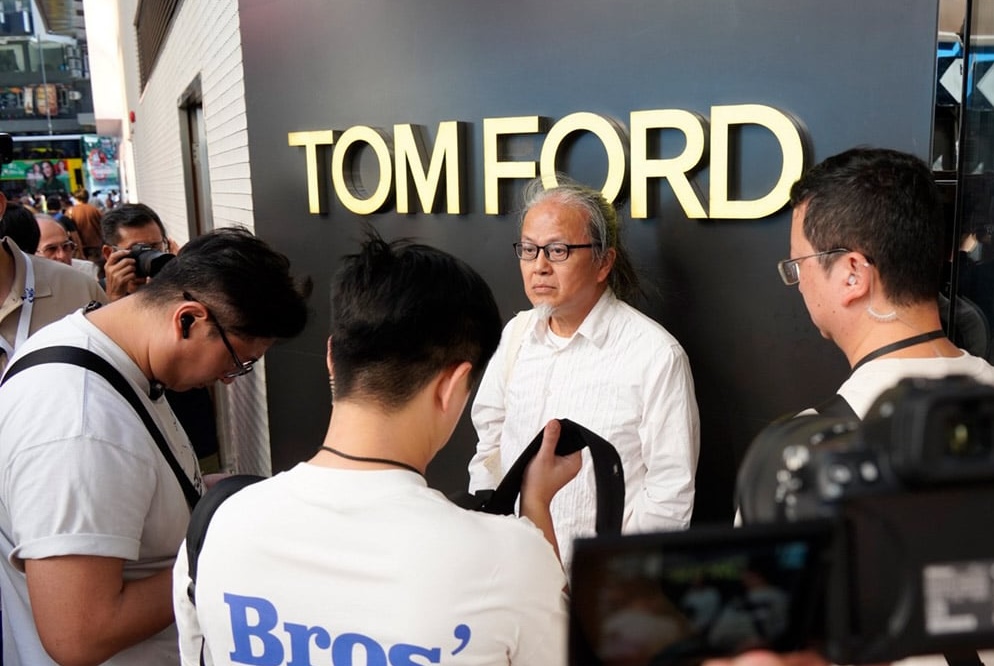
Since Beijing’s imposition of the national security law in 2020, Hong Kong authorities have shut down the annual candlelight vigils that used to draw thousands in memorializing the victims of the Tiananmen Square massacre. The group organizing the commemoration has disbanded, and its leaders, Chow Hang-tung and Lee Cheuk-yan, are now in custody facing a national security trial.
U.S. Secretary of State Marco Rubio said that despite the CCP’s relentless censorship efforts, the world will not forget the 1989 massacre.
“On June 4, the world marks 37 years since the Chinese Communist Party ordered its troops to attack thousands of peaceful demonstrators in and around Tiananmen Square,” Rubio said in a statement issued on the eve of the June 4 anniversary.
“We remember their lives and honor their legacy. No amount of censorship can erase the past. Those who sacrificed to uphold their unalienable rights of free expression and peaceful assembly will be vindicated someday.”
The addresses of foreign countries’ embassies in the United States have been renamed before as a way to honor people who died at the hands of their authorities.
In June 2022, the street in front of the Saudi Embassy in Washington was renamed after Jamal Khashoggi, a columnist who was murdered in 2018 at the Saudi Embassy in Istanbul. U.S. intelligence later concluded that Crown Prince Mohammed bin Salman, Saudi Arabia’s de facto ruler, had authorized Khashoggi’s killing—a claim that the crown prince has denied.
Phil Mendelson, president of the District of Columbia Council, which unanimously passed the renaming measures, said at the time that the move was meant to create a memorial in Khashoggi’s honor that “cannot be covered up or repressed.”
 Friends Read Free
Copy
Facebook
Tweet
Friends Read Free
Copy
Facebook
Tweet