
U.S. retail sales rose for the third consecutive month in April, but new government figures suggest that consumers could be keeping an eye on their spending.
Last month’s retail sales rose by 0.5 percent, from the downwardly revised 1.6 percent spike in March, according to new data from the Census Bureau released on May 14.
The headline reading was in line with economists’ expectations.
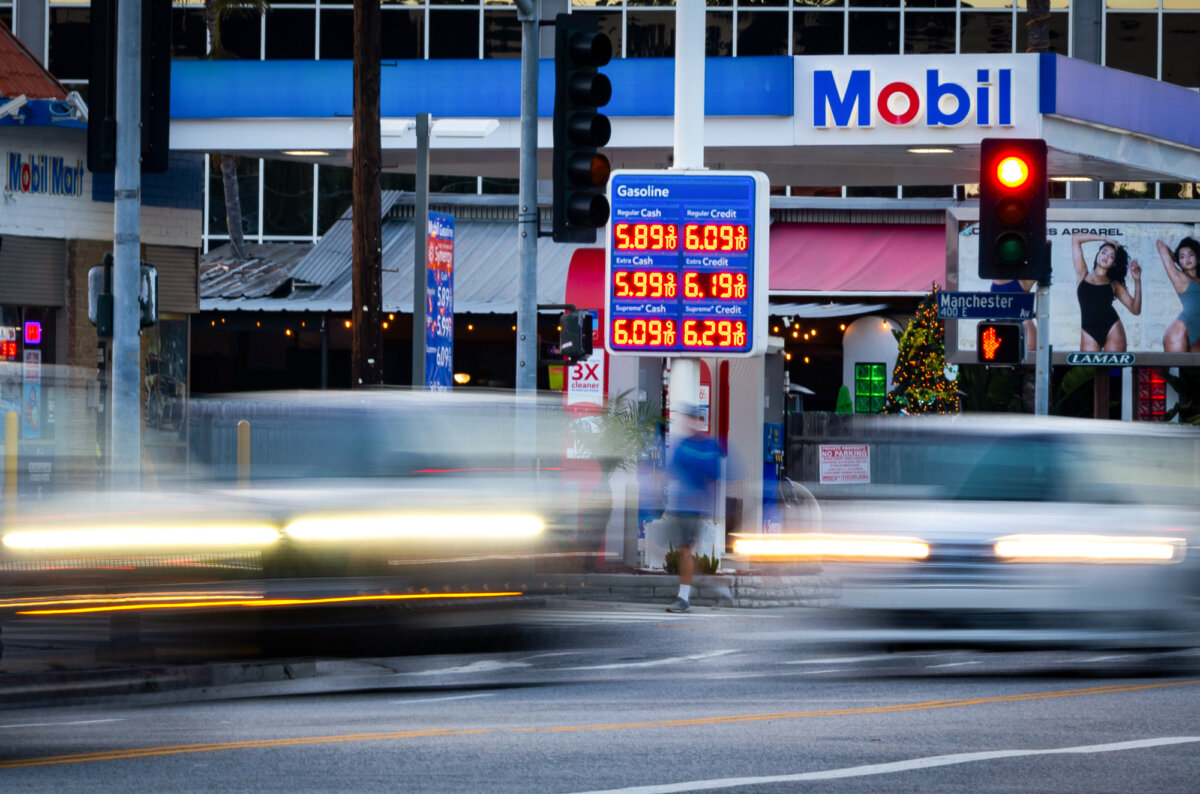
Transactions at gasoline stations increased by 2.8 percent, accounting for a large share of last month’s increase.
Since the start of the war in Iran—nearing its 12th week—the pain at the pump has intensified amid rising crude oil prices.
As of May 14, the national average for a gallon of gas is $4.53, up by about 50 percent in more than two months, according to the American Automobile Association.
President Donald Trump expressed confidence that once Middle East tensions simmer, energy prices will come down substantially.
Still, Americans had a modest appetite for consumption.
Commerce advanced in electronics and appliance stores (1.4 percent), digital retailers (1.1 percent), and food services and drinking places (0.6 percent).
Conversely, transactions declined at furniture outlets (negative 2 percent), clothing stores (negative 1.5 percent), and auto dealers (negative 0.5 percent).
Excluding automobiles and gas, retail sales were up by 0.5 percent.
Additionally, the retail sales control group—a measure that excludes building materials, car dealerships, food services, and gasoline stations and that contributes to gross domestic product calculations—rose at a higher-than-expected pace of 0.5 percent.
Various tailwinds could support Americans’ spending. Higher tax refunds, strong household balance sheets, and a solid labor market—the economy added 115,000 new jobs in April—are some of the positives that could offset near-term inflation pressures.
Being More Careful
With consumers facing higher energy costs, they may be a bit more cautious about their spending, according to new private sector data.
New Bank of America figures suggest that although consumption was solid in April, spending growth slowed for “nice-to-have” categories.
Total credit and debit card spending per household rose by almost 5 percent year over year last month. Excluding gasoline, card spending still registered a 4 percent increase.
“While the [year-over-year] growth in transactions was still positive for travel, it was just above zero for clothing in April,” Bank of America strategists said in their May 12 report.
“This may reflect not just higher prices but also a possible shift in consumers purchasing their apparel through different channels, such as big box stores (general merchandise), in order to save money.”

The seven‑day moving average of per‑household card spending through late April indicates a more pronounced slowdown in spending growth toward the end of the month, especially across discretionary categories, they added.
Potentially cost-conscious consumers might not be surprising, given that sentiment has declined significantly since the start of the conflict.
The University of Michigan’s May consumer sentiment index declined to an all-time low. Current conditions fell by 9 percent, fueled by heightened concerns that high prices will hurt personal finances and buying conditions for major purchases.
April’s annual consumer inflation rate heated up to 3.8 percent, the highest level in almost three years. Core inflation, which removes energy and food prices, also jumped to 2.8 percent, suggesting that underlying inflation pressures could be building.
A new WalletHub survey found that 56 percent of respondents said higher energy costs are leading to debt. About half said their household is already struggling with debt, and one-fifth of respondents said they expect the red ink to worsen in the next 12 months.
This comes as the Federal Reserve Bank of New York reported that household debt surged to a record high of $18.79 trillion in the first quarter.
“You wouldn’t know it from the dismally low consumer sentiment figures, but Americans’ debt loads are actually in a pretty healthy place overall,” Ted Rossman, senior industry analyst at Bankrate, said in a note emailed to The Epoch Times. “That’s particularly true among homeowners.”
Mortgage delinquencies are at a paltry 1 percent. Credit card and student loan delinquencies are in double digits and “are the biggest trouble spots,” Rossman said.
 Friends Read Free
Copy
Facebook
Tweet
Friends Read Free
Copy
Facebook
Tweet