
From the U.S. Postal Service to private senior centers, nationwide efforts to combat elder abuse have come back into focus across the United States after World Elder Abuse Awareness Day.
In its 18th year, the international campaign is observed worldwide every year on June 15. The United Nations has globally themed this year’s World Elder Abuse Awareness Day as “Older Persons in Emergencies,” but in the United States, much of the focus is on financial scams against the United States’ senior citizens, including a federal crackdown on what are called money mules.
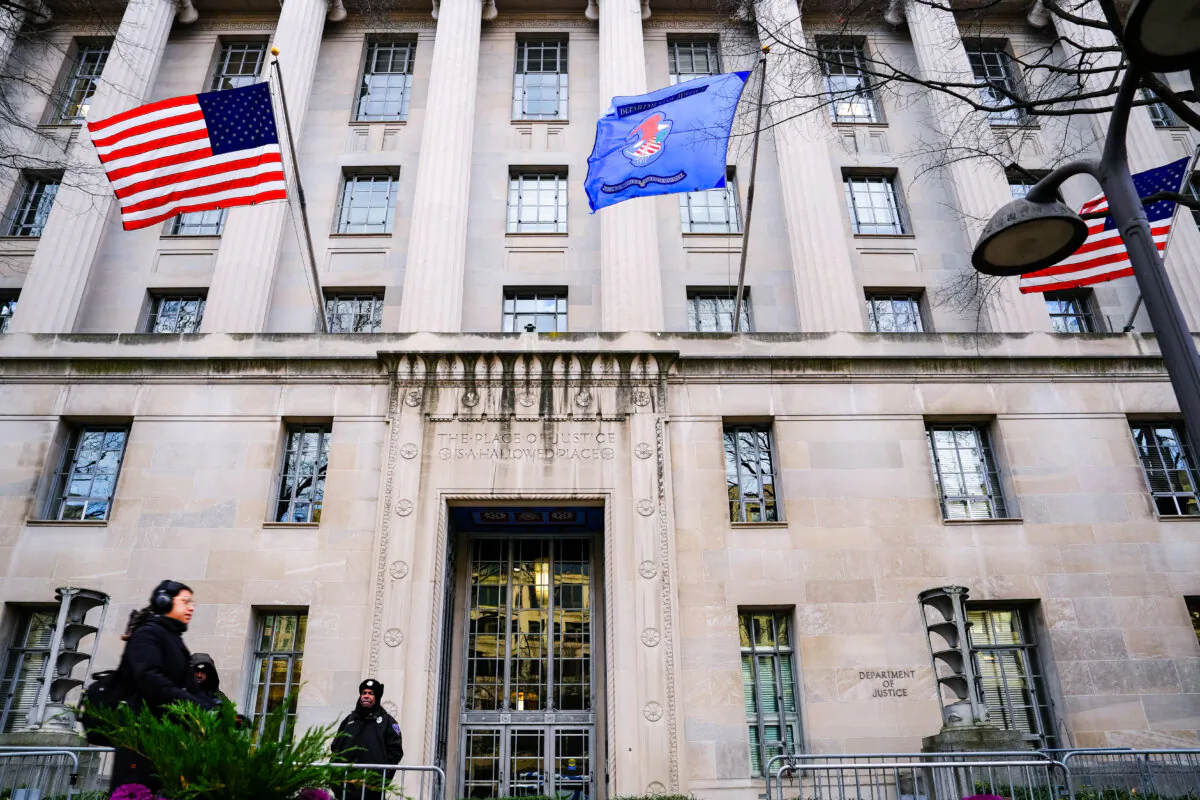
According to the U.S. Department of Justice (DOJ), money mules use a range of fake claims—from false promises of companionship to made-up emergencies involving loved ones—to dupe the elderly into sending money to fraudsters. They typically operate in countries outside the United States.
In May, as part of a multi-agency investigation led by the DOJ, FBI, Homeland Security, and U.S. Postal Inspection Service, federal officials shut down more than 3,000 money mule operations in the country.
In one case, which federal officials dubbed the “grandparent scam,” 11 men from the Dominican Republic and five people living in the New York area were indicted on charges of defrauding elderly Americans out of millions of dollars.
One of the tricks they are accused of using is to contact grandparents and tell them one of their grandchildren had been arrested and that they needed to send bail money right away to get them out of jail.
“In this ‘grandparents’ scam,’ the defendants allegedly impersonated grandchildren in distress, claiming, for example, they had been arrested after a car accident involving a pregnant woman who later miscarried, and they needed immediate cash for bail or a lawyer,” U.S. Attorney Phillip Sellinger for the District of New Jersey said in a written statement. “The panic-stricken grandparents quickly paid—sometimes tens of thousands of dollars.”
The calls, according to federal officials, were made from call centers in the Dominican Republic. But to make them more convincing, the money mules used technology to make it appear that the calls were coming from inside the United States.
According to the DOJ’s Office of Justice Programs, in 2022, the majority of victims of foreign-based call center scams were U.S. senior citizens aged 60 and over.
U.S. senior citizens who have fallen prey to call center scams have been tricked into emptying their retirement accounts and even signing over the deeds to their homes, according to the agency.
Ahead of World Elder Abuse Awareness Day, the U.S. Transnational Elder Fraud Strike Force, a federal government initiative that was founded in 2019, also stepped up efforts to combat elder abuse.
The state of Washington partnered with the task force to bring criminal charges against doctors who were running kickback schemes to bill Medicare under the name of elderly patients for lab tests, medical supplies, and even medical telemarketing services.
In one case, a medical company was collecting co-payments on bogus insurance charges from elderly patients.
“Financial exploitation is the most common form of elder abuse and is estimated to cost older adults more than $23 billion every year,” Eastern District of Washington U.S. Attorney Vanessa Waldref said in a statement.
“As part of our elder justice initiative, my office has expanded our health care fraud practice and focused on holding accountable medical providers who put profits before their obligations to patient care and safety.”
Several states and communities are holding week-long events to draw attention to the issue.
New York City kicked off its observation of World Elder Abuse Awareness Day on June 11 with a march down Queens Boulevard in the city’s Sunnyside neighborhood.
The event was organized by the New York City Department for the Aging and Sunnyside Community Services (SCS), which announced that as part of its response efforts to World Elder Abuse Awareness Day, it had added a new Elder Justice Program to the existing services it provides to seniors.
Services will include legal assistance with elder abuse crimes, counseling, and support groups, and the program will help seniors who are living independently implement safety measures such as changing locks and installing security cameras.
“We are proud that NYC Aging has entrusted us to be a partner in their important city-wide program to address elder abuse,” SCS Executive Director Judy Zangwill said in a statement to The Epoch Times.
In Vermont, the U.S. Attorney’s Office announced that in recognition of World Elder Abuse Awareness Day, it had joined forces with the U.S. Secret Service, Homeland Security Investigations, and the Diplomatic Security Service to devise a statewide training program to help the elderly identify scams on their own.
“Elder abuse comes in many forms, including physical, emotional, and financial abuse. These threats to older adults demand our attention,” Vermont U.S. Attorney Nikolas Kerest said in a statement.
Private organizations are also stepping up their efforts to combat elder abuse.
In Florida, One Senior Place, a one-stop shopping resource for senior products, kicked off a luncheon series for seniors called “WEAAD Presents: Protecting & Preparing Yourself and Your Loved Ones Lunch & Learn.”
The decade-old campaign is also, for the first time, offering social media guidelines for the elderly to help them avoid online scams and has introduced the new online activity “Finish The Sentence” to help elderly people and their families become better advocates against elder abuse.
 Friends Read Free
Copy
Facebook
Tweet
Friends Read Free
Copy
Facebook
Tweet