
The U.S. Department of Agriculture (USDA) will spend $25 million on a sterile fly dispersal facility in Arizona to counter the New World screwworm, a flesh-eating livestock pest, Agriculture Secretary Brooke Rollins announced Wednesday.
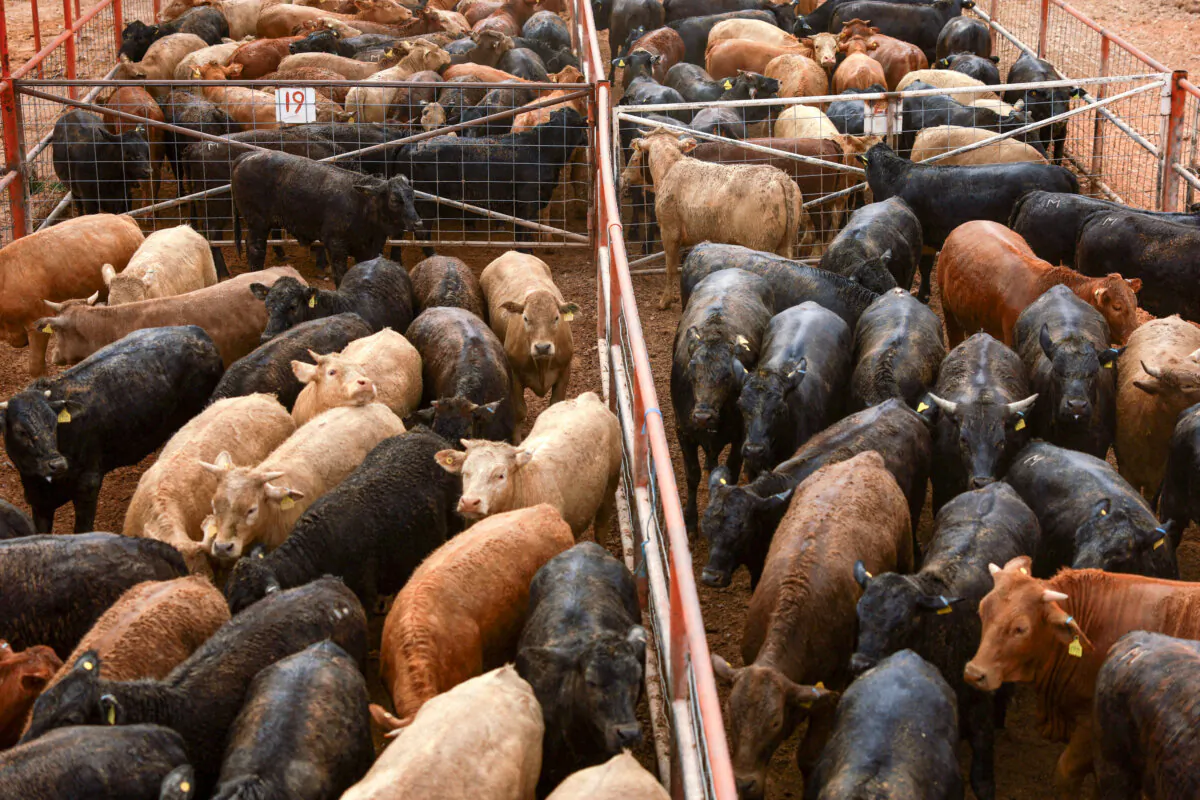
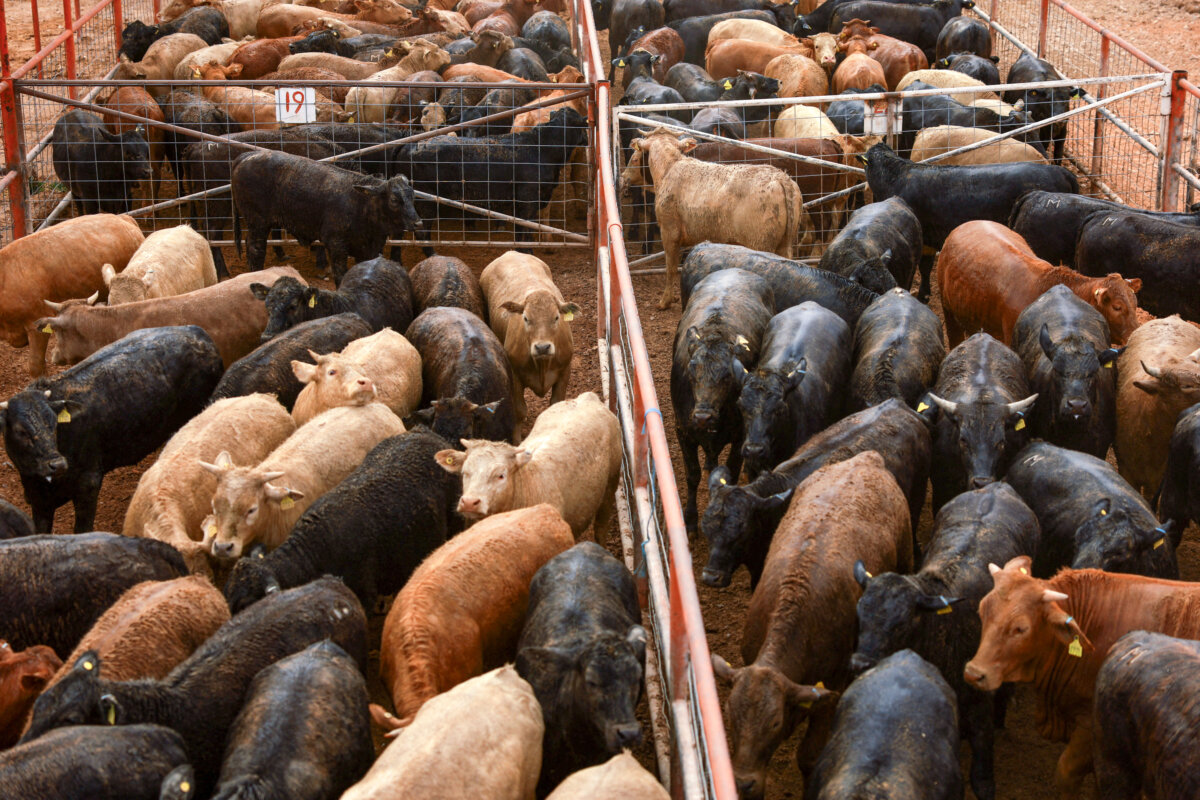
The facility will back efforts to contain the parasitic fly as the USDA gets ready to lift a ban on Mexican cattle imports put into place over a year ago.
Rollins said that for Arizona, the livestock trade will resume through the Douglas Port of Entry on Aug. 24. Two additional ports of entry will also be opened in New Mexico.
The ban on Mexican cattle pushed U.S. beef prices to record highs, hurting consumers and putting pressure on President Donald Trump’s administration to lower costs. However, the decision to resume imports drew criticism from some U.S. cattle producers, who said it would increase the risk for screwworm infestations.
The New World screwworm is a parasitic fly. The females lay eggs in open wounds and mucous membranes of warm-blooded animals, and larvae hatch and use sharp mouthparts to burrow into living flesh. They can potentially kill the host if left untreated.
The pest was eradicated from the United States in the 1960s through the sterile insect technique. But it was rediscovered in the United States in June 2026 on Texas farms and in New Mexico. Arizona has reported no confirmed cases.
“The sterile insect technique is the only proven method to eradicate New World screwworm, and we will continue expanding this critical tool to protect America’s livestock and food supply,” Rollins said in a July 29 statement on X.
Rollins noted that the response—which involves suppressing populations by releasing sterile male flies to mate with wild females—is getting results. There are currently nine active cases in the United States. All affected animals have fully recovered.
The USDA said it will need far more sterile flies to push the pest back to the geographic boundary of the Darien Gap, the stretch of rainforest between Panama and Colombia. A $750 million production plant is under construction in Texas, and facilities in Panama and Mexico are already operating.
In a July 29 post on social media platform X, Arizona Gov. Katie Hobbs said Arizona is collaborating with local leaders and livestock industry partners to keep the pest out of the state as the federal government lifts the ban.
“We hope the federal government will work with us to keep our cattle safe, lower the price of beef and ensure we block this pest from coming into our state,” Hobbs wrote.
The Arizona Department of Agriculture said it has increased screening, tracking, and inspection protocols for cattle from Sonora, Mexico. The state has also maintained border fly traps with the USDA, and deployed the Arizona Livestock Incident Response Team with the University of Arizona Cooperative Extension to distribute sampling kits.
“Through enhanced surveillance measures, aligned operational response plans, and new strategies to detect and deter entry, Arizona is moving quickly and decisively to stay ahead of the situation,” Hobbs said in a statement published on the state agricultural department’s website.
 Friends Read Free
Copy
Facebook
Tweet
Friends Read Free
Copy
Facebook
Tweet