

WASHINGTON—Lawmakers on both sides of the aisle have raised new concerns that U.S. forces have drained weapons stockpiles amid an inflection point in the fighting with Iran.
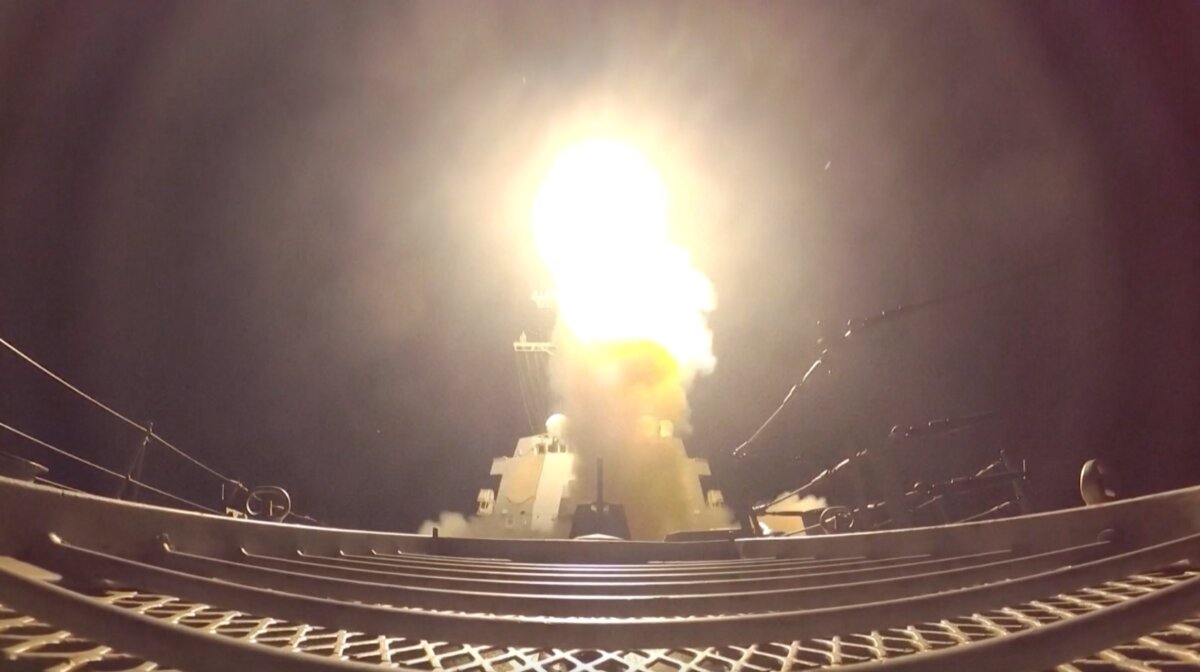
Since the start of the Iran conflict in late February, President Donald Trump has repeatedly contended with questions about the availability of precision long-range weapons used to strike targets in Iran, and advanced interceptors used to blunt Iranian missile and drone barrages across the Middle East.
“We have far more munitions than anyone in the world, and far more than we need,” Trump told The Wall Street Journal this week, in response to reporting that U.S. forces had paused strikes on Iran to assess weapons stocks.
A report by the Washington-based Center for Strategic and International Studies, published on July 27, also assessed that U.S. interceptor stockpiles had fallen to fewer than 900 Patriot missiles, and fewer than 300 Terminal High Altitude Air Defense missiles.
Sen. Thom Tillis (R-N.C.) told The Epoch Times that he has been following the reports of munitions shortages.
“Obviously it’s concerning,” he said.
Tillis said he has not been adequately briefed on the munitions expenditure, and said the Trump administration should provide a classified briefing to discuss the matter in greater detail.
“And, of course, if they are chronically low and affecting war strategy, then we should make it a priority,” he told The Epoch Times.
Sen. Richard Blumenthal (D-Conn.), a member of the Senate Armed Services Committee, said there’s already strong evidence U.S. forces are dealing with shortages.
“Trump launched this war impulsively, without a clear set of achievable objectives, and planning for how to conduct it,” Blumenthal told The Epoch Times on July 27.
Following the collapse of a ceasefire this month, Trump ordered U.S. forces to conduct new rounds of strikes on Iran. U.S. forces carried out 13 consecutive days of strikes before hitting a pause on July 25.
U.S. and Saudi forces mounted a new attack on Iran-aligned terrorists in Iraq on July 28. That same day, Iranian forces fired a salvo of ballistic missiles at a U.S. military outpost in Jordan.
In response to the missile attack, Trump forecast yet more strikes on Iran.
“They’re going to get a beating,” he said in a Fox News interview on July 29.
The president has issued other military warnings in recent days.
After Yemen’s Iran-aligned Houthis struck a Saudi-flagged cargo ship in the Red Sea, Trump threatened military action against both Iran and the Houthis. Since then, the Houthis have traded fire with Saudi-led forces and launched further attacks on Saudi oil infrastructure.
U.S. forces have yet to strike Houthi targets in Yemen in response.
Trump has also repeatedly threatened strikes on a possible new Iranian nuclear facility, known as Pickaxe Mountain. This week, he said, “We’ll have to take out Pickaxe if we don’t make a deal.”
 Friends Read Free
Copy
Facebook
Tweet
Friends Read Free
Copy
Facebook
Tweet