
A Utah district court judge resigned this month, saying the court’s increasing caseload was at a breaking point, a state lawmaker confirmed July 29.
“This is not sustainable!” Judge Kasey Wright wrote in a resignation letter to the chief justice of Utah’s Supreme Court. The letter was provided to The Epoch Times.
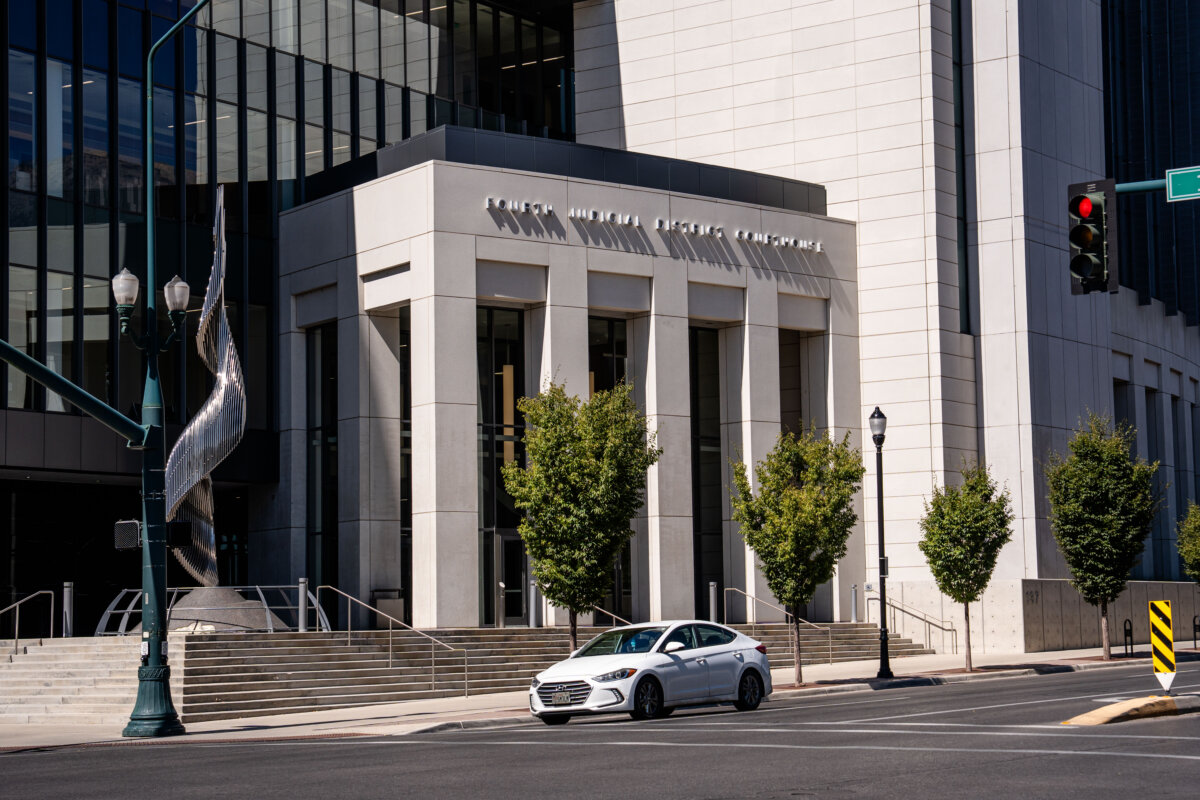
Wright, who was appointed as a state judge in October 2024, serves in the Fourth District Court in Provo, Utah, where Tyler Robinson is on trial for the killing of conservative commentator Charlie Kirk last year. Wright is not the judge in that case.
Wright’s last day will be Dec. 31.
He described the struggle he and other judges faced in the overloaded system. He estimated he was assigned well over 1,000 cases, forcing him to choose between giving a case his full attention and sacrificing personal time and family life.
“The result is that judges are not only dealing with emotionally and intellectually taxing issues, they are working 50- to 60-hour weeks,” Wright said in the letter.
Republican state Sen. Todd Weiler, who chairs the Senate Judicial Confirmation Committee, told The Epoch Times that the Utah Legislature has worked to get district judges more help.
Lawmakers funded seven new judges this year and assigned one of them to the Fourth District Court. That judge will start next month, Weiler said.
“Help was on the way, so I’m a little disappointed he’s quitting,” Weiler said.
Utah courts have experienced an influx of lawsuits in the past few years, driven by the use of artificial intelligence (AI) and a growth in population, Weiler said.
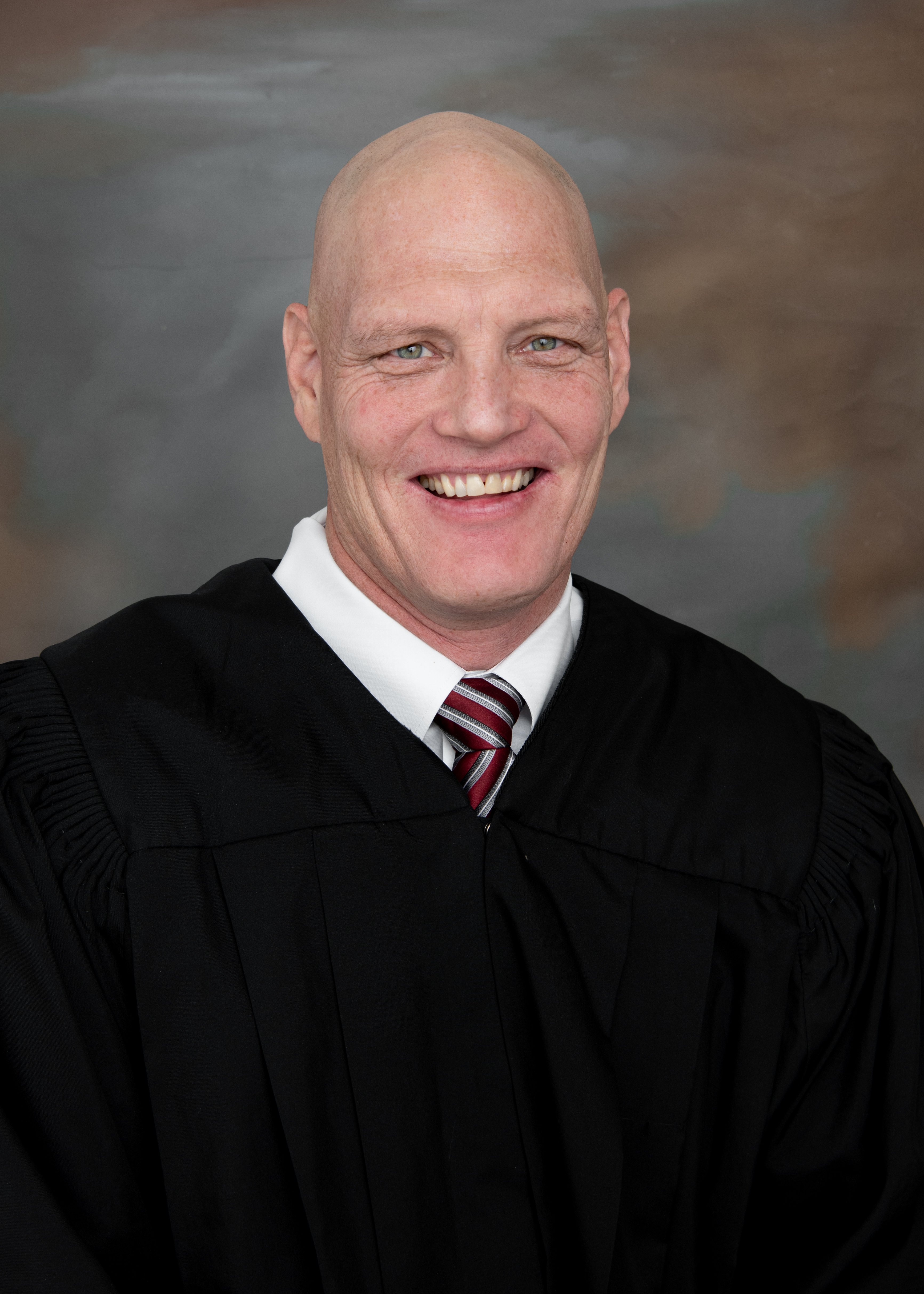 Judge Kasey L. Wright resigned from Utah State Fourth District Court in July 2026. (Courtesy of Fourth District Court)
“Part of it is with AI becoming so user-friendly, we’re seeing a lot more people filing lawsuits,” Weiler said.
A study published in March examined 4.5 million federal civil cases from 2005 to 2026 and found that the share of lawsuits filed by individuals without lawyers increased from “a long-term steady-state average” of 11 percent to 16.8 percent in 2025.
The lawsuits are also taking a lot more judicial time—growing 64 percent on average since 2019, the study revealed.
“Each docket entry is a claim on the court’s time—a motion filed, a response submitted, an order entered, a hearing set,” wrote study authors Anand Shah of the Massachusetts Institute of Technology and Joshua Levy of the University of Southern California.
“These results, bundled, suggest increased court burden in the post-AI period,” the authors said.
The study also sampled 1,600 legal complaints filed from 2019 to 2026 and found a large and growing number of them contained AI-generated text. The share went from almost zero in 2019 to more than 18 percent in 2026.
Utah recorded 44 percent more case filings after AI generation became popular. Vermont had the nation’s highest increase with 2,051 percent more, followed by Nebraska at 171 percent, and Washington, D.C., with an 112 percent increase, according to the study.
In Utah, judges carry up to 130 percent of a standard caseload, according to the Utah Judiciary’s latest report in 2025.
In 2024, the Utah District Court system received 256,589 new case filings—about 8,300 more than the year before, according to the report. The number of hearings held each year has increased by over 37,000 since 2016.
The judges also processed 55 percent more warrants than in 2020. Those are reviewed and signed 24 hours a day, seven days a week, every day of the year.
“The ever-increasing workload is outpacing the number of judicial officers allocated by the legislature,” the report stated.
 Friends Read Free
Copy
Facebook
Tweet
Friends Read Free
Copy
Facebook
Tweet