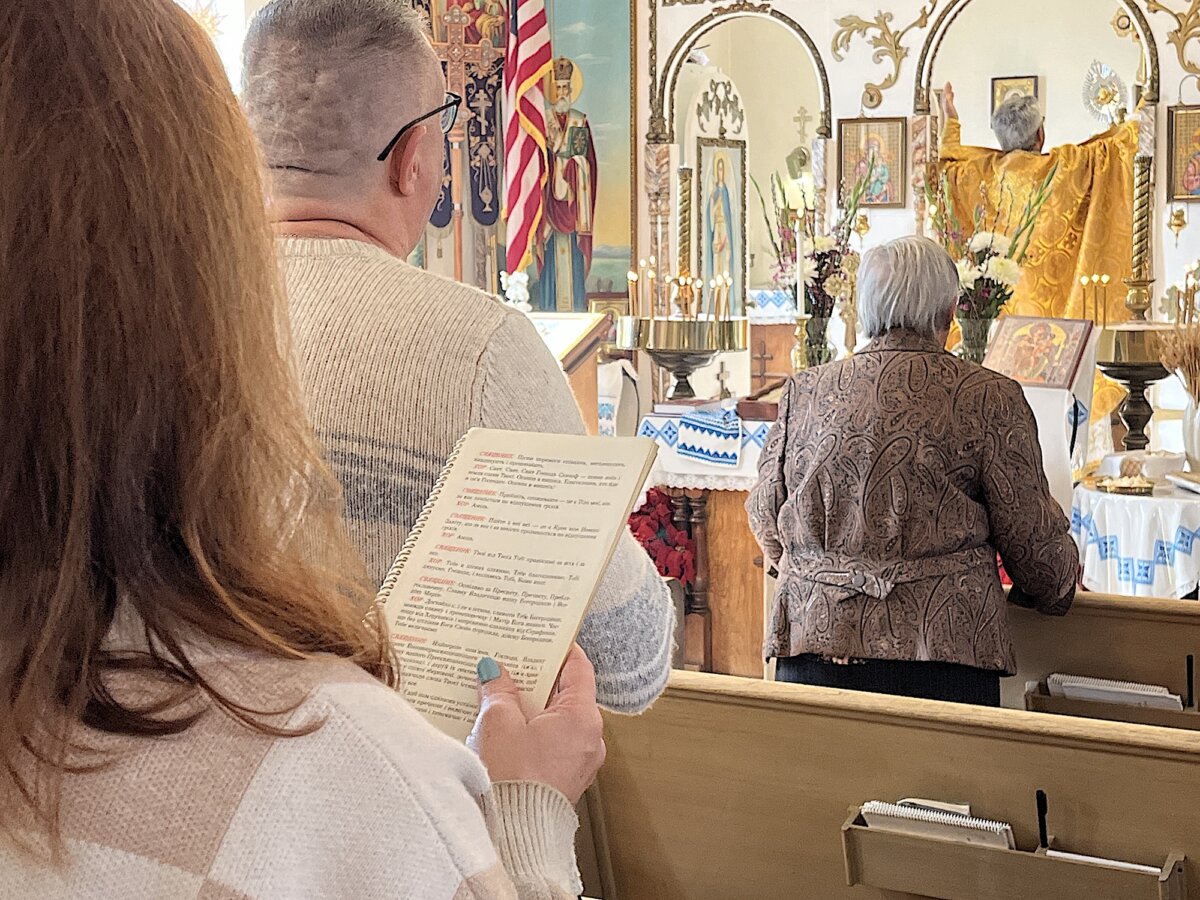

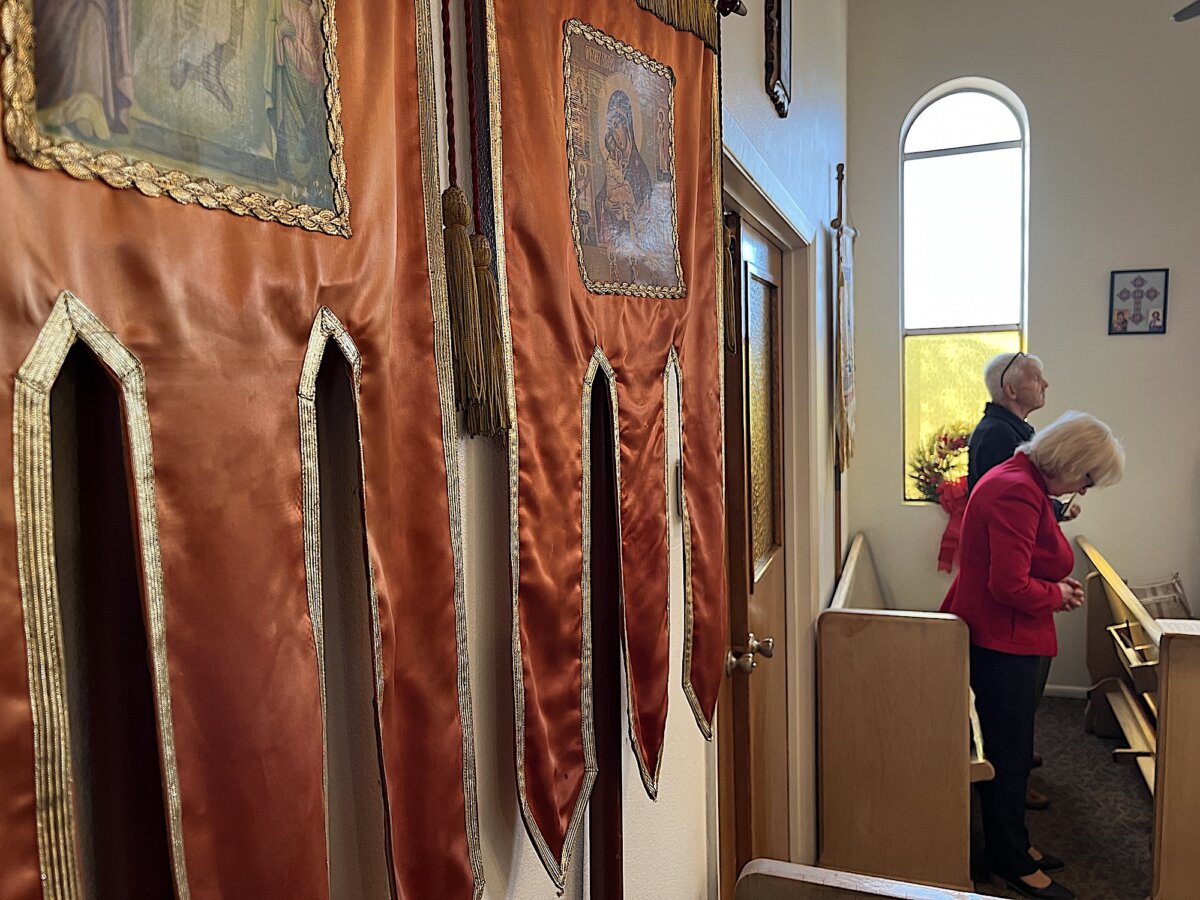
PHOENIX—Morning sunlight streamed through muted glass, illuminating ancient icons and tapestries with a warm, radiant light as voices rose in layered harmony.
Behind the gleaming altar to the right, the Ukrainian flag stood tall. Across from it, the American flag maintained a quiet, steady balance.
The liturgy began in their native language.
A few miles away, in a mirrored sanctuary, Russian chants carried in solemn unity. Gilded walls caught the late afternoon light, treasured icons reflecting devotion as the service unfolded without pause.
Beneath the same desert sky in Phoenix, two congregations share a Christian faith; the distance between them is measured not in miles but in memory, allegiance, and the shadow of a war half a world away.
“It’s haunted relations. A very touchy subject,” a member of Holy Archangels Orthodox Church in Phoenix told The Epoch Times, requesting anonymity for fear of reprisal.
The church is one of two serving the area’s Russian Orthodox community.
For local Ukrainians, Russia’s February 2022 “special military operation” was an invasion—and the divide between prayer and politics, sanctuary and sorrow, has only become less.
Their common faith is built on loving one’s neighbor. Yet at St. Mary’s Protectress Ukrainian Orthodox Church, that ideal bears the heavy mark of countless lives lost in a war now entering its fifth year.
Worlds Apart
Church leaders say they have little desire—and even less inclination—for contact with their Russian Orthodox counterparts 12 miles away.
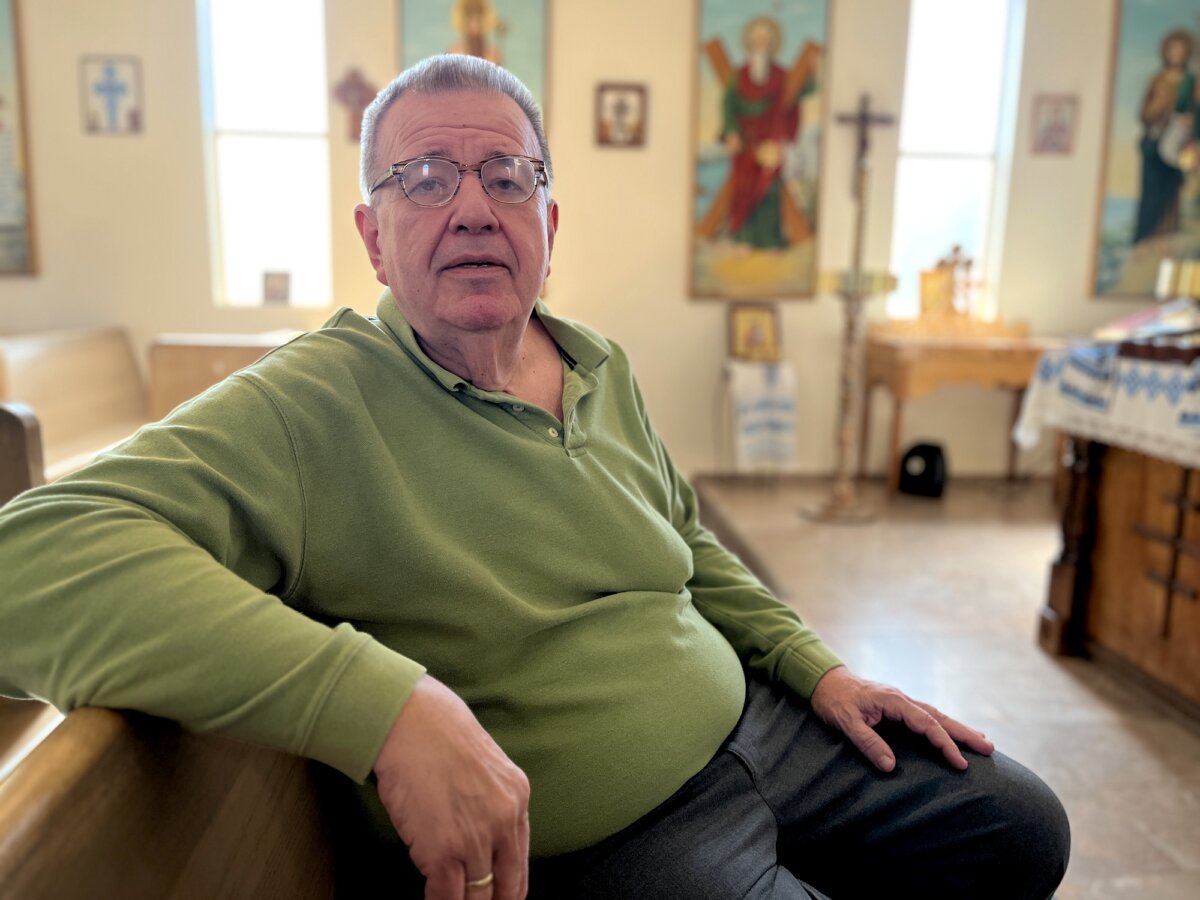
“How many times do millions of Ukrainians have to die?” Parish President Victor Szwez told The Epoch Times after the Saturday morning service. “So now we’re going to say, ‘You’re our friend?'”
“No. You’re not our friend. You’re trying to eliminate us.”
Two churches, one faith, and a war’s tragic effects stretching across every aisle. For Moscow, it is a schism—a spiritual rebellion; for Ukraine, it is an affirmation of religious and national independence.
“This is personal. You have an army that supports a church that invaded a Christian country. And that Christian country is fighting tooth and nail for its survival,” Tony Kovar of the St. Mary’s Board told The Epoch Times.
“It’s about Ukrainian culture. It’s about Ukrainian religion. It’s about—and this is very important—everything Ukrainian.”
Religious suppression under Soviet communism, coupled with the forced collectivization of private farms and the devastating famine that followed, left deep scars on Ukrainian society.
These hardships, rather than quelling national spirit, forged a stronger resolve among Ukrainians to assert their independence and preserve their cultural and religious identity, Kovar said.
Breaking Away
The divide, centuries in the making, reached a breaking point in 2019 when the Ecumenical Patriarchate of Constantinople granted autonomy to the Orthodox Church of Ukraine (OCU).
In January 2019, Bartholomew I of Constantinople issued a decree granting independence to the OCU, cementing its split from the Ukrainian Orthodox Church (Moscow Patriarchate), which remains aligned with Russia.
Since 2014, some parishes have transferred to the new church—a shift rejected by Patriarch Kirill of Moscow, whose Russian Orthodox Church has dismissed the OCU as a political creation and broken off ties.
The OCU’s recent break from its Russian counterpart, ending a relationship that lasted more than 300 years, highlights both the continuing military tensions between the two nations and the influential political role of Orthodox Christianity in the region, according to Pew Research.
A survey conducted between 2015 and 2016 found a strong Orthodox majority in both countries—78 percent in Ukraine, 71 percent in Russia.
“This is up from 39 percent who said they were Orthodox Christian in 1991—the year the officially atheist Soviet Union collapsed and Ukraine gained its independence,” Pew Research said.
“With roughly 35 million Orthodox Christians, Ukraine now has the third-largest Orthodox population in the world, after Russia and Ethiopia.”
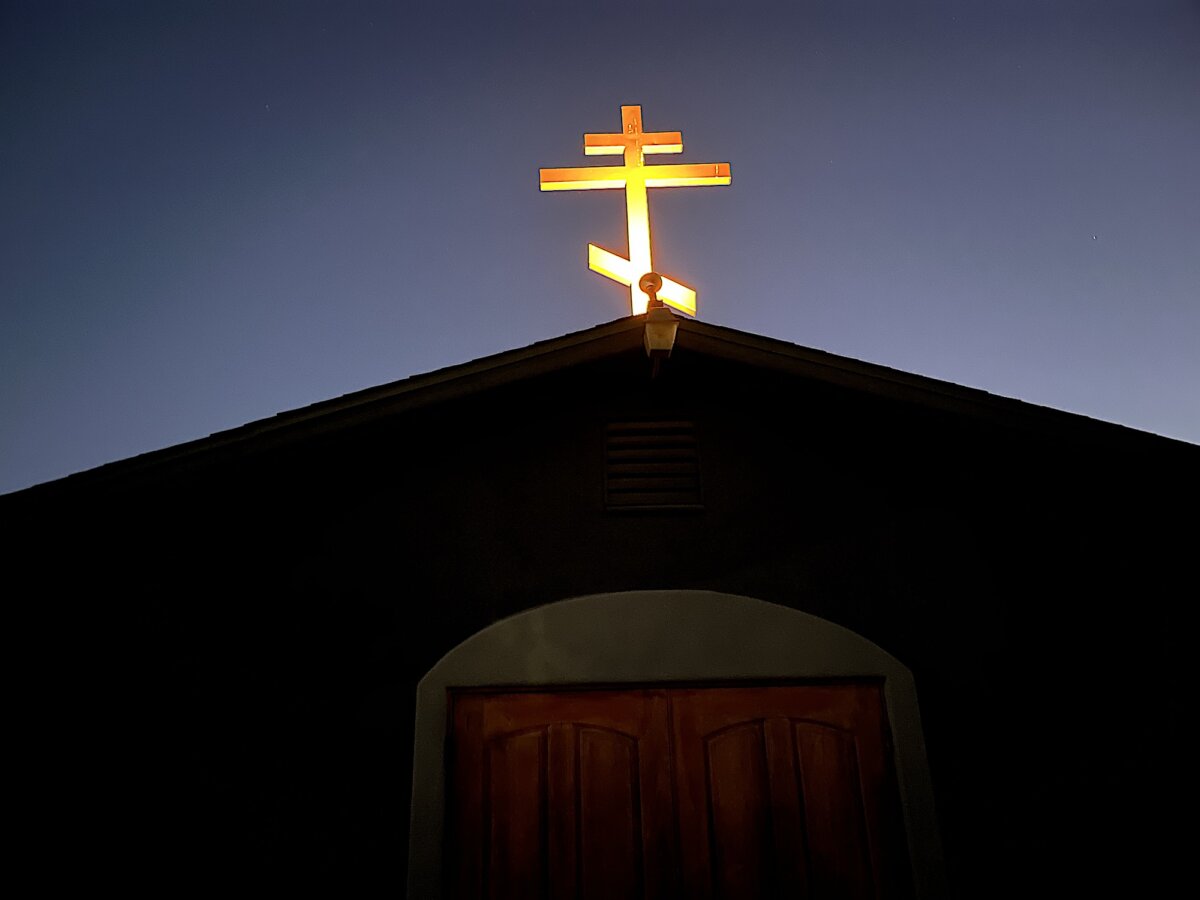
The war in Ukraine has strained Orthodox communities in the United States, creating tensions between Russian- and Ukrainian-origin parishioners and testing loyalty to the Moscow Patriarchate, according to the Atlantic Council.
While many condemn the conflict, debate continues over openly criticizing Kirill, who called the invasion a “holy war” against Western values.
Russia’s 2014 annexation of Crimea only intensified Ukraine’s drive for independence and religious autonomy, Kovar said.
“Step back a couple of hundred years, and Russia’s been invading and attacking and subjugating Ukraine. They’re an imperialist, colonial empire,” he said.
The division has permeated the Ukrainian community and its diaspora, both in Phoenix and elsewhere.
According to the Association of Religion Data Archives, there were about 50,000 members of the Ukrainian Orthodox Church in the United States in 2006 and 480,000 members of the Russian Orthodox Church Outside Russia (ROCOR) in 2008.
Roughly 1,000 refugees from Ukraine have arrived in Phoenix since 2022, aided by charitable organizations such as Cactus and Tryzub.
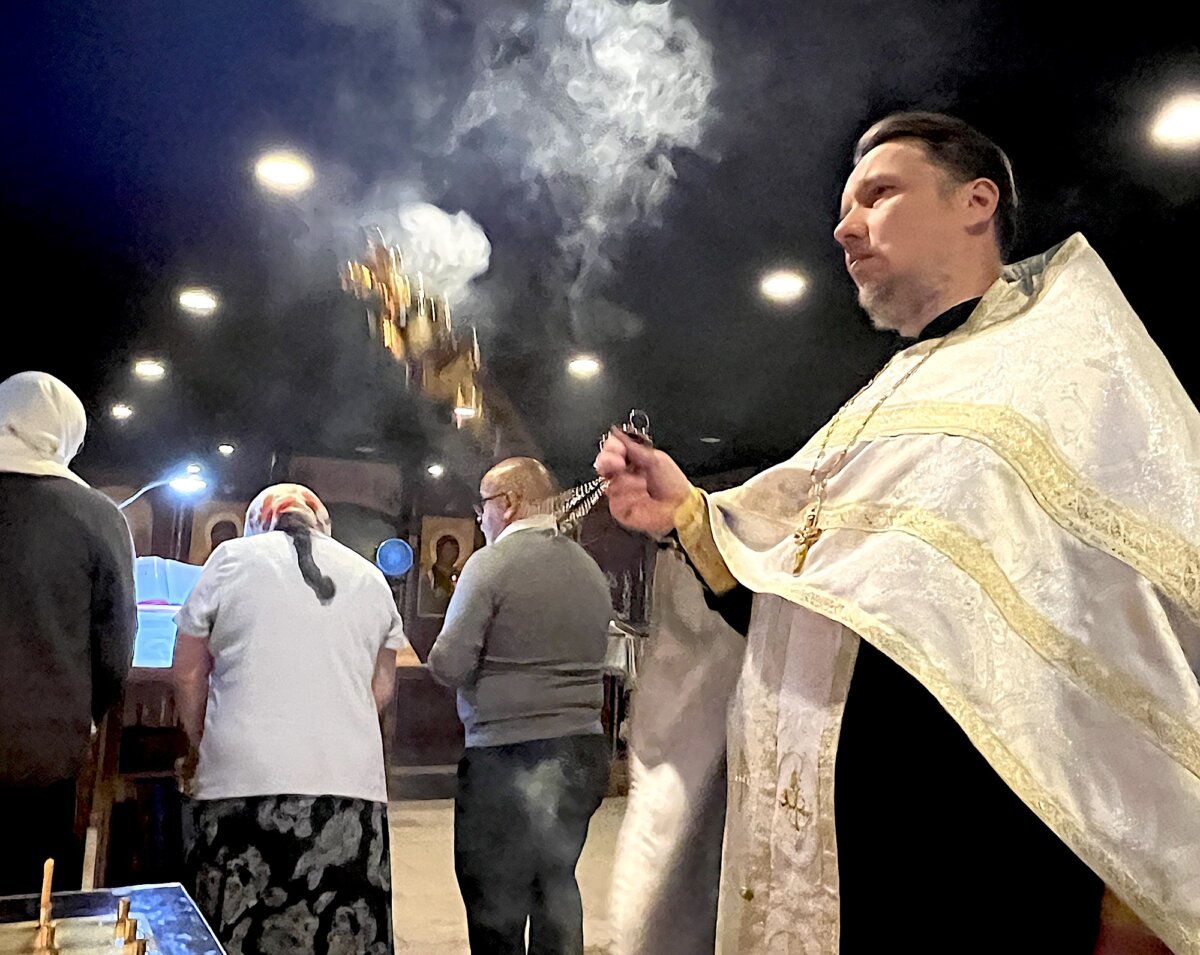
Two other churches in Phoenix serve the Russian and Ukrainian Orthodox communities: St. Anthony the Great Russian Orthodox Monastery, a ROCOR church, and Saints Peter and Paul Orthodox Church, a Ukrainian one.
Politics and Religion
Established in 2002, Holy Archangels Orthodox Church is the oldest Russian Orthodox Church in Phoenix.
It welcomes both English- and Russian-speaking members as part of the ROCOR’s Diocese of San Francisco and Western America.
In March 2022, shortly after the war began, Holy Archangels’ Father John told The Epoch Times that he believes Russia’s response in Ukraine cannot be justified by military force, leaving “Orthodox Christians killing Orthodox Christians—and others.”
“We don’t take sides,” he said. “We are Christians first—that is what should guide our actions.”
A 29-year-old Holy Archangels parishioner told The Epoch Times that she has been attending services since May 2025. She has traveled to Russia and Hungary.
She asked that her name be withheld, citing fears of online retaliation and concern for her safety amid escalating political tensions.
“The thing about being connected with Russia is I’m flagged [on the internet], so I’d rather stay as anonymous as possible,” she said.
She is American-born and speaks fluent Russian.
“I have only been in Phoenix for about three years,” she said. “I came here after the special operation began.”
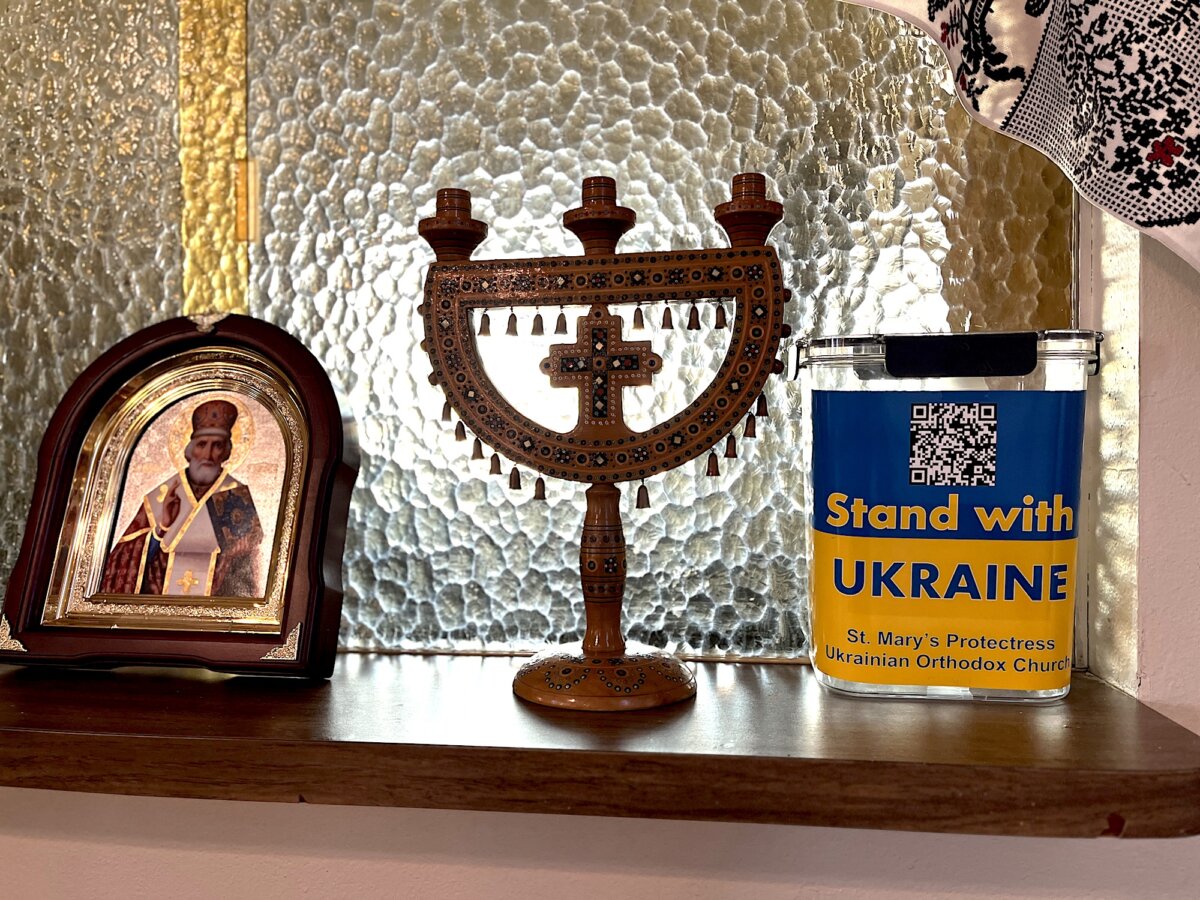
Since the war began in 2022, St. Mary’s has actively raised both funds and material support for Ukraine.
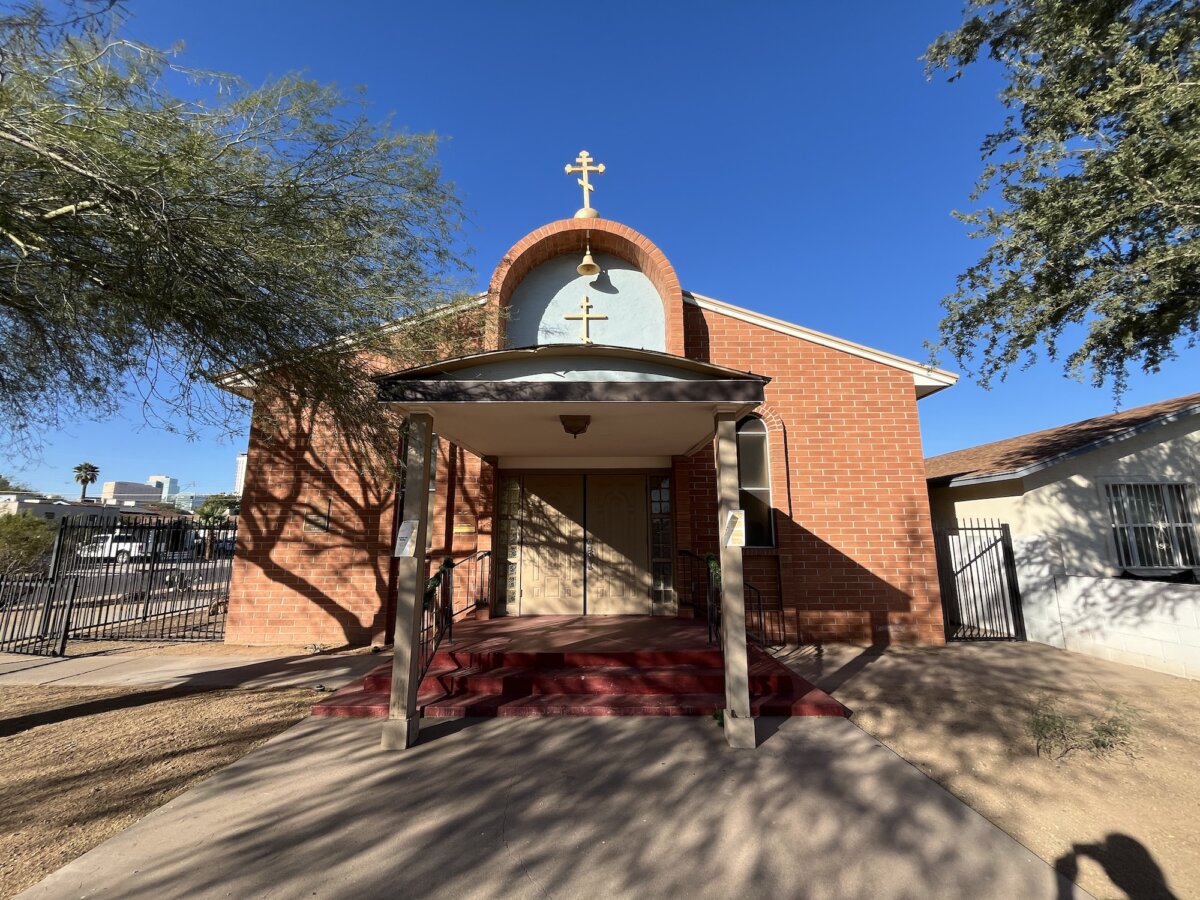
A sign reading “Pray for Ukraine” hangs above the main door, and a collection box near the sanctuary area awaits donations.
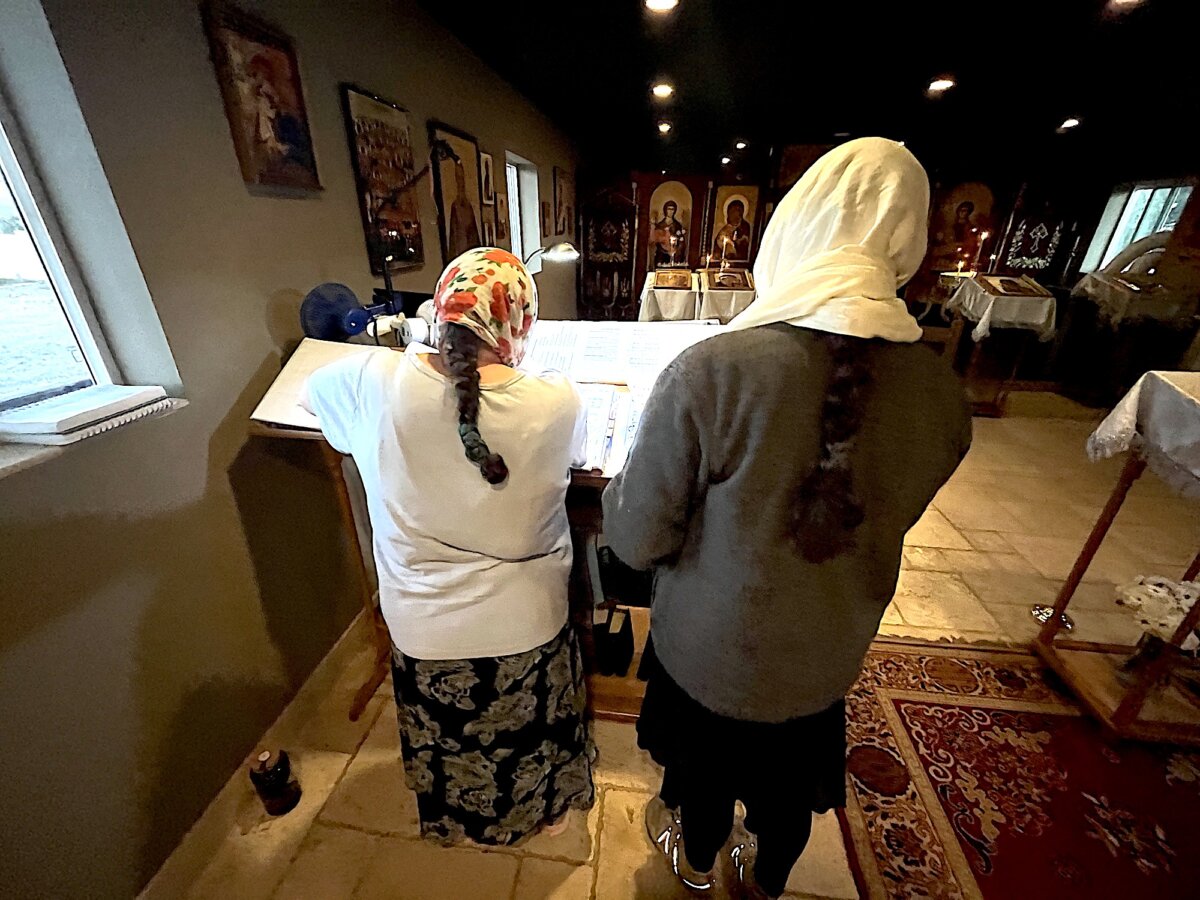
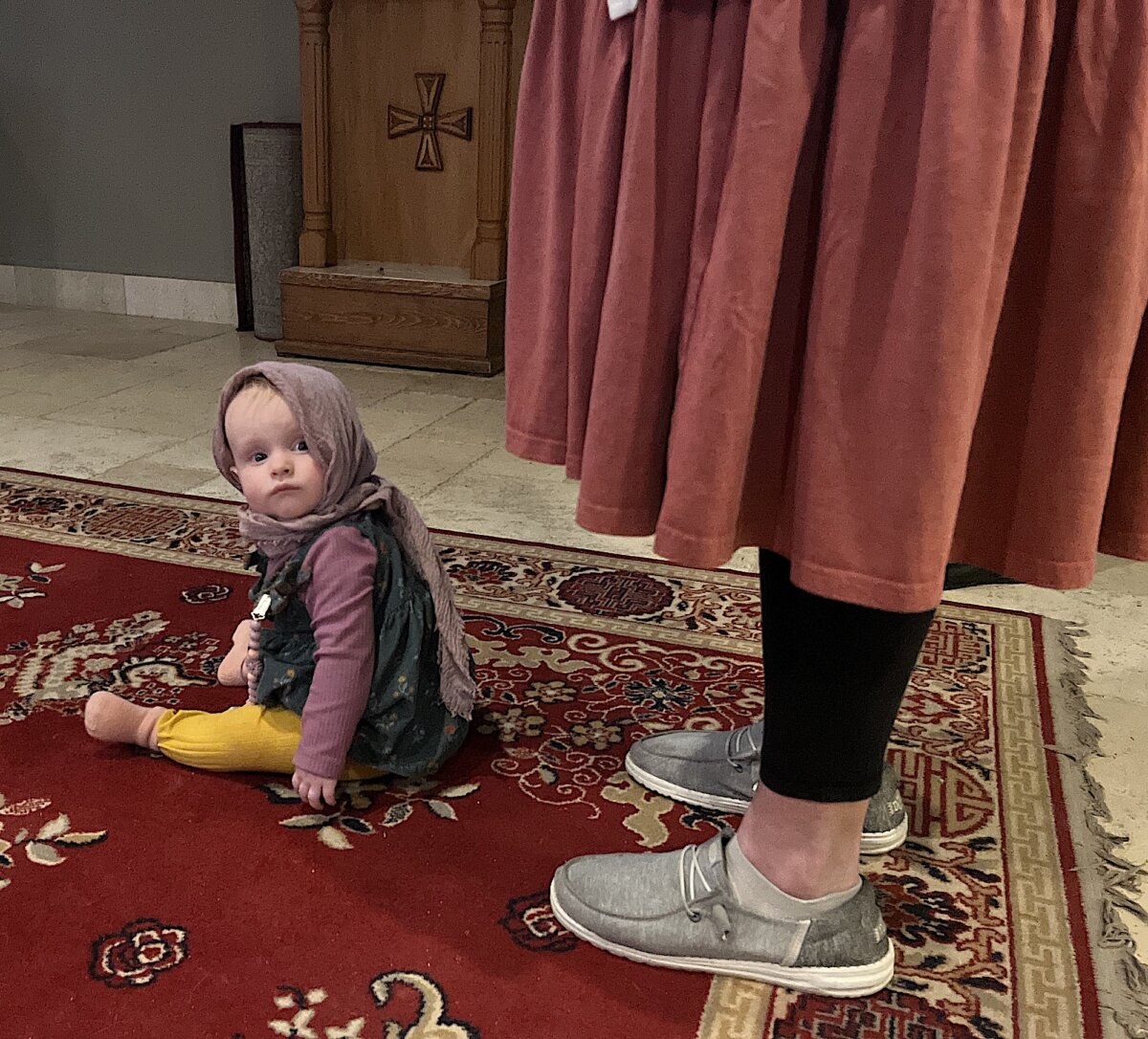
At Holy Archangels, a much smaller church, there are no overt political displays.
“What I would say is the [Russian] Orthodox Church doesn’t interact as politically as American ones do,” the parish member said.
“However, a lot of the problems having to do with the war are probably connected to politics. So it’s hard to extrapolate that.
“I try to steer clear—for my own sanity as much as for anything else.”
She never expected the conflict to last this long. She believes that her church has done its best to remain visibly neutral throughout.
“Neutral is probably the safer way,” she said. “So in our church, we have people from Ukraine, we have people from Moscow. It’s just—I think that’s part of why it’s so hard on everyone.
“This isn’t going away. I think international relations people put their heads in the sand a bit when people were saying this is not going away.”
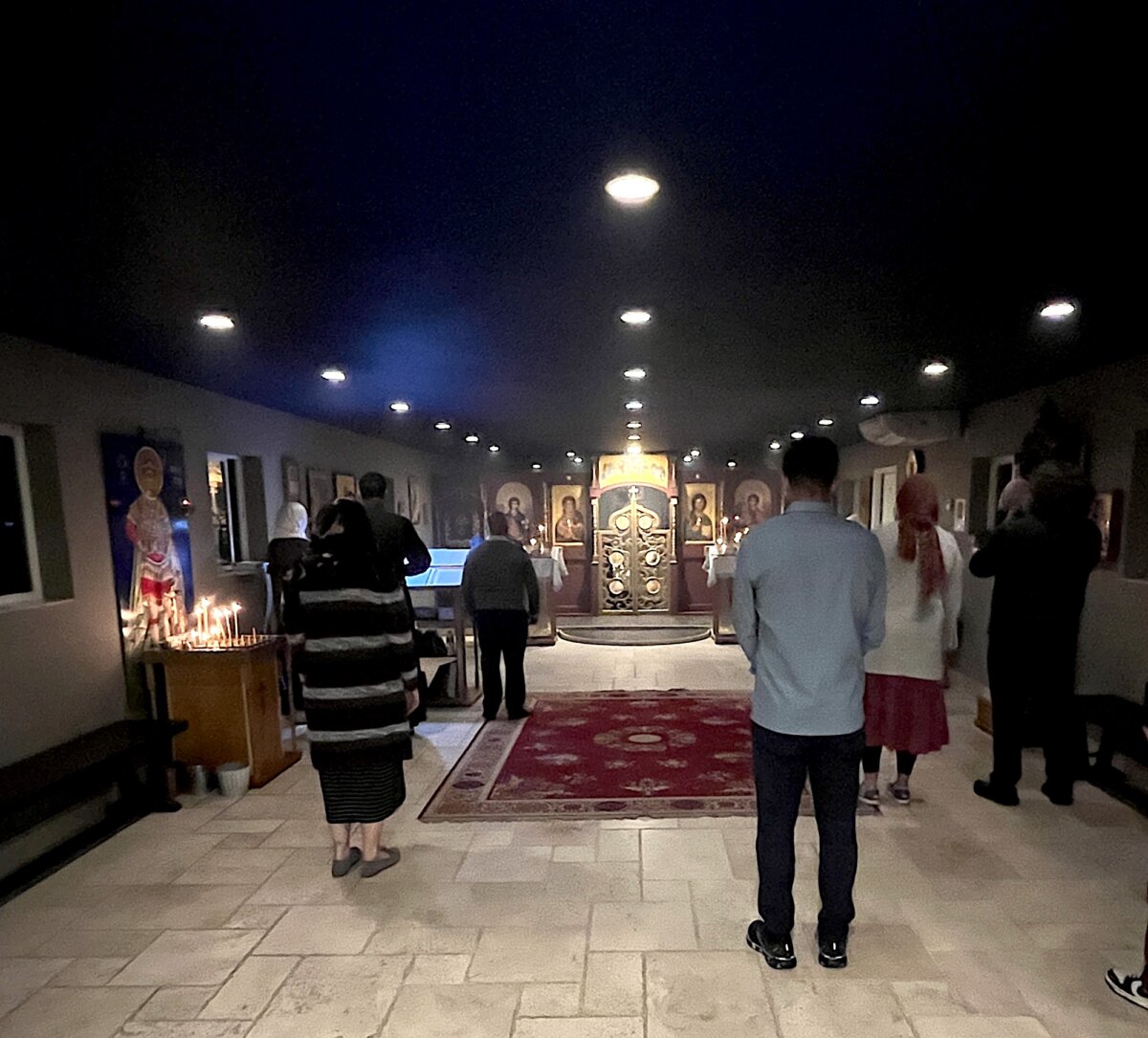
Evening services led by Father Vadim are conducted in Russian, with some parishioners arriving in traditional attire. Attendance rises and falls depending on work schedules.
“Usually, there are about 30 people on Sundays. That’s where it gets a little tricky because it’s more like the diocese that we’re under,” the parishioner said. “But we’re in communion with the Greek Orthodox [Church], so any of us can go there and take communion.
“It’s the same church. Here, the language is Russian, Slavonic, and English.”
The Epoch Times contacted religious authorities, including the ROCOR and the Ukrainian Orthodox Church of the United States, but received no comment.
As the war drags on with no end in sight, the Ukrainian and Russian Orthodox churches operate as parallel entities.
Reconciliation seems unlikely, Kovar said, given the human toll and financial cost of the conflict.
“Russia does not recognize us. It still recognizes us as a schismatic church, but we are recognized by the rest of the Orthodox world as a true Orthodox canonical,” Kovar said.
“Until Moscow atones for its sins on many, many levels, I don’t think that the church—the Russian church—controlled by the government, will ever see the light.”
 Friends Read Free
Copy
Facebook
Tweet
Friends Read Free
Copy
Facebook
Tweet