
At a time when Health and Human Services Secretary Robert F. Kennedy Jr. is promoting “Eat Real Food” after introducing new dietary guidelines, a Washington-based craft flour mill is generating attention for creating products sourced from regional regenerative farmers using a milling process that keeps the grain intact.
Those methods helped Cairnspring Mills become the world’s first flour company to earn The Climate Label certification earlier this month.
The Climate Label is administered by The Change Climate Project.
Certification requires companies to measure cradle-to-customer annual greenhouse gas emissions, establish a climate transition budget, and fund a meaningful mix of climate projects within and beyond their value chain.
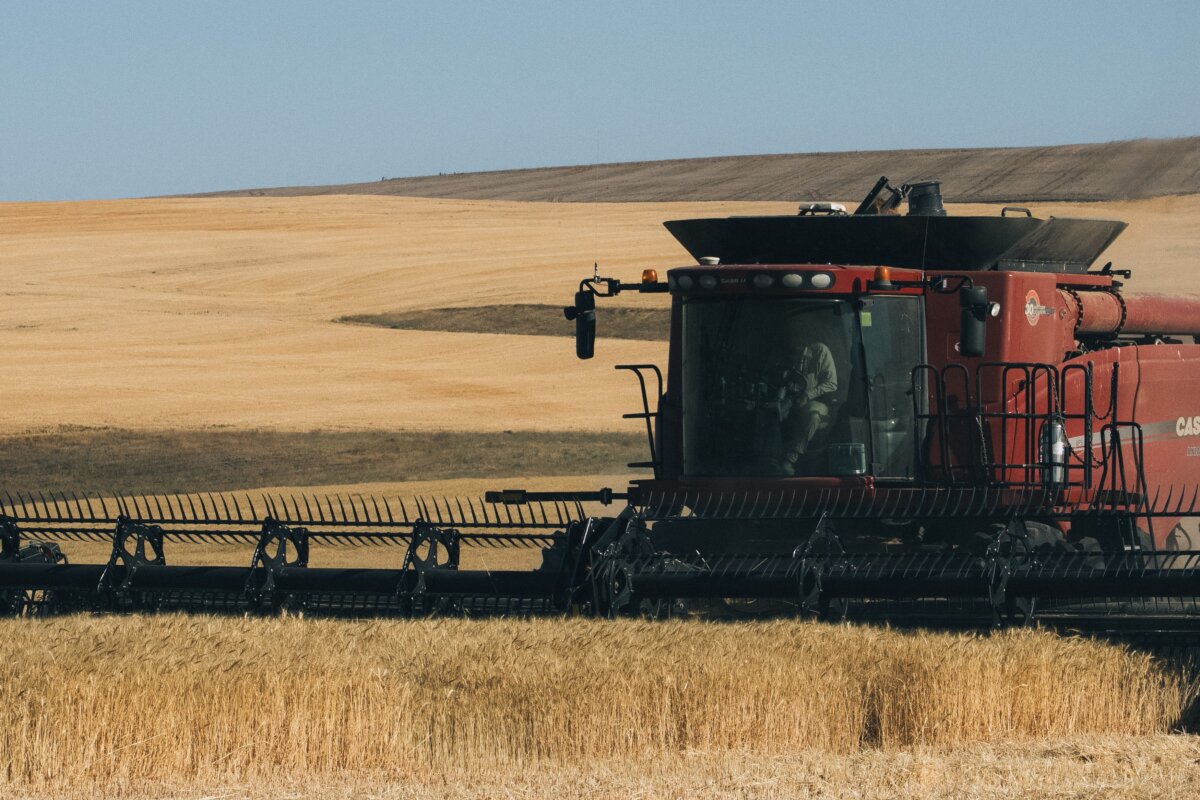
Cairnspring Mills is located in Washington’s Skagit Valley. It sources grain exclusively from Pacific Northwest farmers committed to regenerative methods including crop rotation, animal integration, and no-till practices that rebuild soil health, sequester carbon, and reduce or eliminate synthetic inputs.
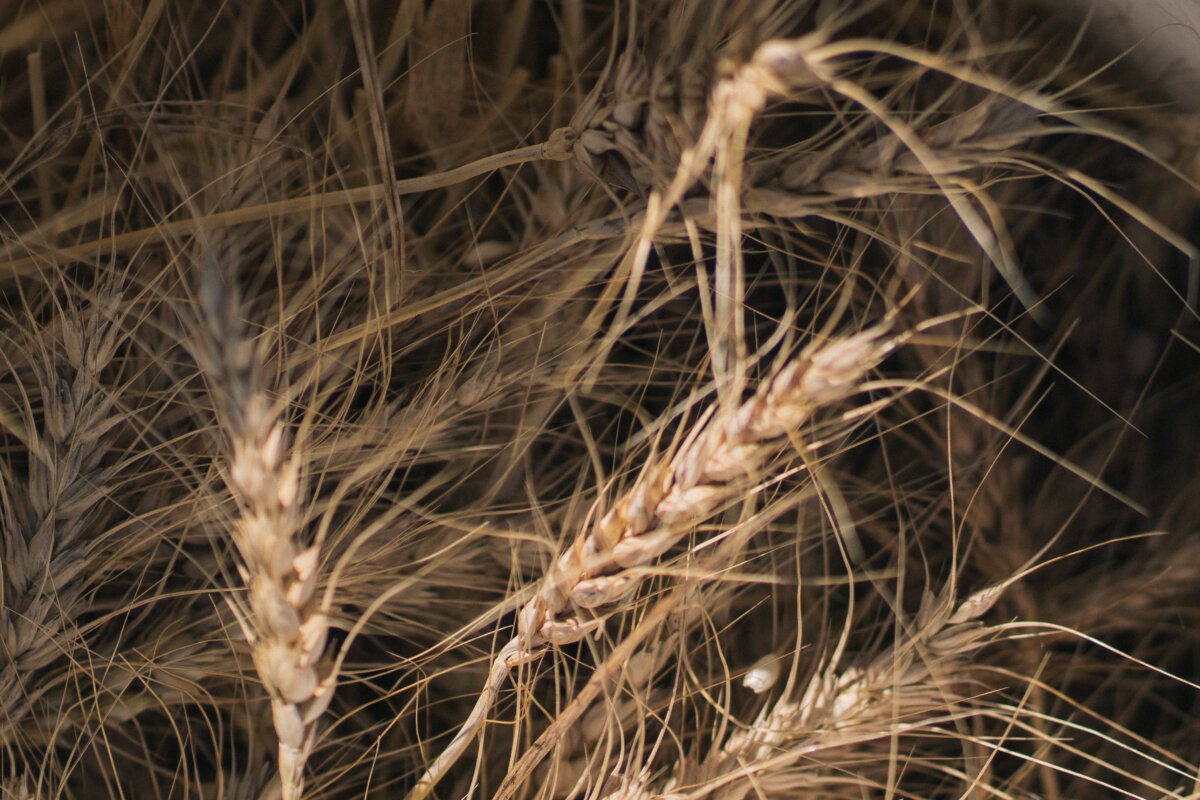
Unlike industrial mills that strip grain of its nutritional layers, Cairnspring stone-mills in small batches to intentionally incorporate the bran and germ, producing flour that is naturally nutritious, aromatic, and distinctive in flavor—never bleached, bromated, or artificially enriched, according to Kevin Morse, Cairnspring Mills co-founder and CEO.
“What we’ve built is a regional food network where Pacific Northwest farmers grow specific varieties of grain, identity-preserved and traceable to the grower, stone-milled in small batches and connected directly to the bakers using it,” Morse said.
“That’s how food systems worked for most of American history before industrial consolidation pulled everything toward scale and away from place,” he added.
Morse told The Epoch Times that Cairnspring Mills is helping farmers transition to regenerative growing methods by creating market opportunities and supporting them through the company’s soil health initiatives.
“You cannot make genuinely good flour from grain grown in depleted soil. The flavor isn’t there. The nutrition isn’t there. And the farmer isn’t building anything that lasts,” Morse said.
“Regenerative wasn’t a label we adopted. It was the only model that made sense for what we were trying to build,” he added.
The Climate Label reinforces the company’s current practices and adds a new level of accountability, Morse told The Epoch Times.
“We’re now tracking our full environmental footprint across the entire supply chain and following time-bound plans to reduce it. That level of accountability is new, and we welcome it. But the foundation was already there,” Morse said, noting that his company has paid premiums to farmers “stepping off the commodity treadmill” since Day One and has sourced exclusively from growers committed to rebuilding their soil.
Morse calls Cairnspring’s approach a new model for 21st-century food production that regionalizes supply chains, restores ecosystems, contributes to community resilience, and shares value more equitably across farmers, bakers, and communities.
There was a time when local mills were commonplace in America. A century ago, more than 20,000 flour mills operated across the country. Today, there are 66, and 10 companies control around 90 percent of the milling, Morse said.
“We’ve gone from a system that supported good stewardship, supported healthy food, supported our families, to one that’s all about bigger, faster, cheaper,” he said.
Morse was raised in an Italian-American family where authentic food was a staple of everyday life. His experiences as a farmer and a Nature Conservancy executive contributed to his interest in rural economic development and rebuilding food systems.
He said he founded Cairnspring Mills in 2016 to help farmers remain financially viable and preserve Skagit Valley’s agricultural heritage while shortening the distance between the farmer and the consumer, restoring soil health, and conserving farmland.
“I turned 50 and decided that for the next 50 years, what I wanted to work on was rebuilding local food systems. So I teamed up with a group of people that were investing in local businesses and farms trying to create a new model,” he said.
“And then farmers, bakers, local impact investors all rallied around this idea of reinventing a model for regional that would make our community more prosperous, healthy, and resilient,” he added.
Over the last few years, Morse said he has seen more Americans asking questions they weren’t inquiring about five years ago.
“Where does this come from? Who grew it? What’s actually in it? Is this food I can trust and give to my family? We welcome that curiosity because, with us, the conversation has always started with the farmer,” he said.
“We built this business by being able to tell someone exactly which farm their grain came from, what practices that farmer uses, what substances are prohibited, such as glyphosate as a harvest aid, and how the soil is being treated,” Morse added.
Construction is underway on Cairnspring’s second mill, the Blue Mountain Mill—a 27,000-square-foot facility in Pendleton, Oregon, built in partnership with the Confederated Tribes of the Umatilla Indian Reservation.
Set to open later this year, the new mill is projected to generate more than $22 million in annual income for regenerative farmers across roughly 50,000 acres, Morse said.
Blue Mountain Mill will extend Cairnspring’s network into eastern Oregon and the Columbia River Basin, and it will connect Pacific Northwest growers to bakers and food companies nationwide.
The new mill will expand Cairnspring’s production capacity from under 7 million pounds to 110 million pounds annually, according to Morse.
“I’ve always described Cairnspring as an old-fashioned barn raising. The Port of Skagit, the Washington State University Bread Lab, the farmers, the bakers—everybody pitched in to build something that benefits the whole community. That’s not a metaphor. That’s literally how this started. And it’s how Blue Mountain is being built, too,” Morse noted.
 Friends Read Free
Copy
Facebook
Tweet
Friends Read Free
Copy
Facebook
Tweet