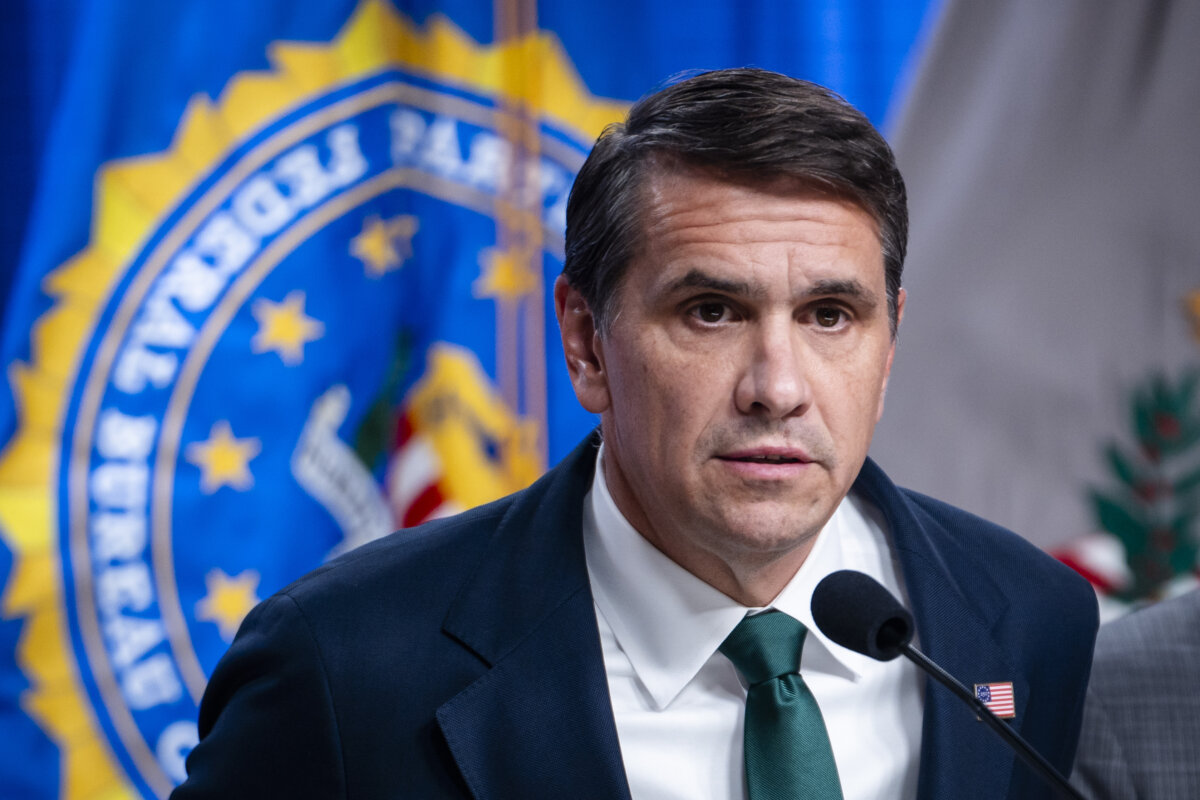
Acting Attorney General Todd Blanche gave details on May 19 about the implementation of a settlement fund stemming from President Donald Trump’s $10 billion suit against the IRS.
$1.776 billion is being set aside after Trump sued the federal government following the unlawful leaking of his tax returns. The president had previously indicated the money would be donated to charity, but later decided to direct it toward reimbursing individuals who have been unjustly pursued by the federal government.
Here’s what to know:
Settlement First of its Kind
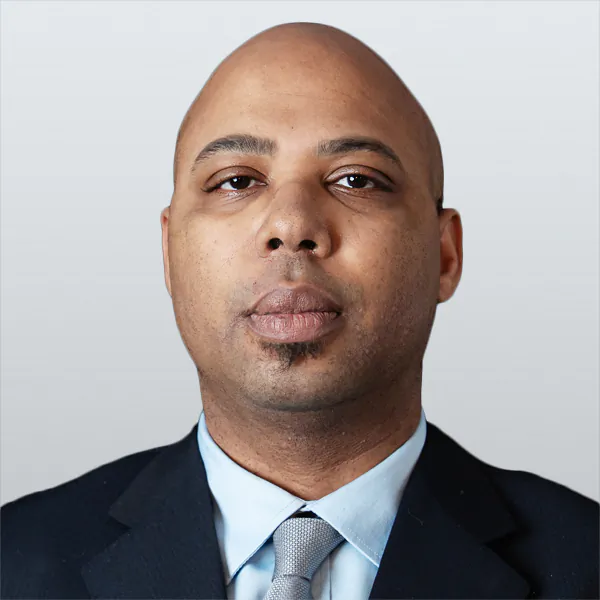
Former IRS contractor Charles “Chaz” Littlejohn illegally obtained access to tax records for Trump and two of his sons between 2019 and 2020. He then leaked that information to The New York Times and ProPublica.
Littlejohn subsequently pleaded guilty to unauthorized disclosure of tax return information, and was sentenced to five years in prison. Judge Ana Reyes noted that Littlejohn sought the job in order to obtain, and leak, those records.
In January 2026 Trump sued the IRS and Treasury Department for failing to protect his tax information, becoming the first president to do so. That suit was dismissed in conjunction with the settlement agreement.
Who Gets the Money?
Funds from the $1.8 billion fund will be distributed to citizens who demonstrate they were victims of the “weaponization” of the federal government. According to the terms of the settlement agreement, victims can file a claim until Dec. 1, 2028.
After Dec. 15 of the same year, any leftover money gets kicked back to the government, to be used at the president’s discretion.
The claims will be evaluated by a five-member panel named the Anti-Weaponization Fund Committee. Four of those members will be appointed by the attorney general, Blanche told members of the Senate Appropriations Committee on May 19.
The fifth member will be appointed in consultation with members of the Appropriations Committee.
How Much Money?
Award amounts will vary, based on determinations of the Fund Committee, the settlement agreement says. They will consider how much harm the claimant suffered, and if they had already been compensated in some way by the government.
Attorneys fees and any prison time served will also be part of the calculus.
The agreement says the committee will issue quarterly, confidential reports on those awards; Blanche told the senators on Tuesday that there will transparency on the awards to the extent that the law allows.
The Justice Department—or possibly another government agency—is expected to audit the claims to prevent fraud.
Settlement Blocks Future Prosecution
An addendum to the agreement, published on May 19, stops the government from going after Trump or “related or affiliated individuals … including family or others filing jointly” based on previous tax returns, or the outcomes of the settlement.
It also includes any cases “pending or that could be pending” before the IRS, Justice Department, or other federal agencies.
The brief, one-page document uses broad language that could insulate Trump and his associates from prosecution by a future administration.
Democratic Senators Skeptical
Sen. Chris Van Hollen (D-Md.) repeatedly criticized Blanche and the settlement during Tuesday’s hearing, calling the agreement an “illegal, corrupt, self-dealing scheme.”
“Yesterday, you created a $1.8 billion slush fund to dole out taxpayer dollars to the President’s supporters, including those who attacked this Capitol on January 6,” Van Hollen told Blanche at the hearing. “That is pure theft of public funds, and rewarding individuals who committed crimes is obscene.”
Van Hollen asked Blanche to make a commitment to deny claims of any individual convicted of assault during the Jan. 6 Capitol riots.
Blanche refused. He said anyone could apply, and those determinations would be up to the five-member committee, not himself.
“Has it ever happened that a sitting president sued his own government for $10 billion and then directed the settlement of the case and the establishment of a payout fund?” Sen. Chris Coons (D-Del.) asked Blanche. He also wanted to know if Blanche would prohibit Trump’s campaign donors from applying.
“I am not committing to anything beyond the settlement agreement itself,” Blanche replied.
Aldgra Fredly contributed to this report.
 Friends Read Free
Copy
Facebook
Tweet
Friends Read Free
Copy
Facebook
Tweet