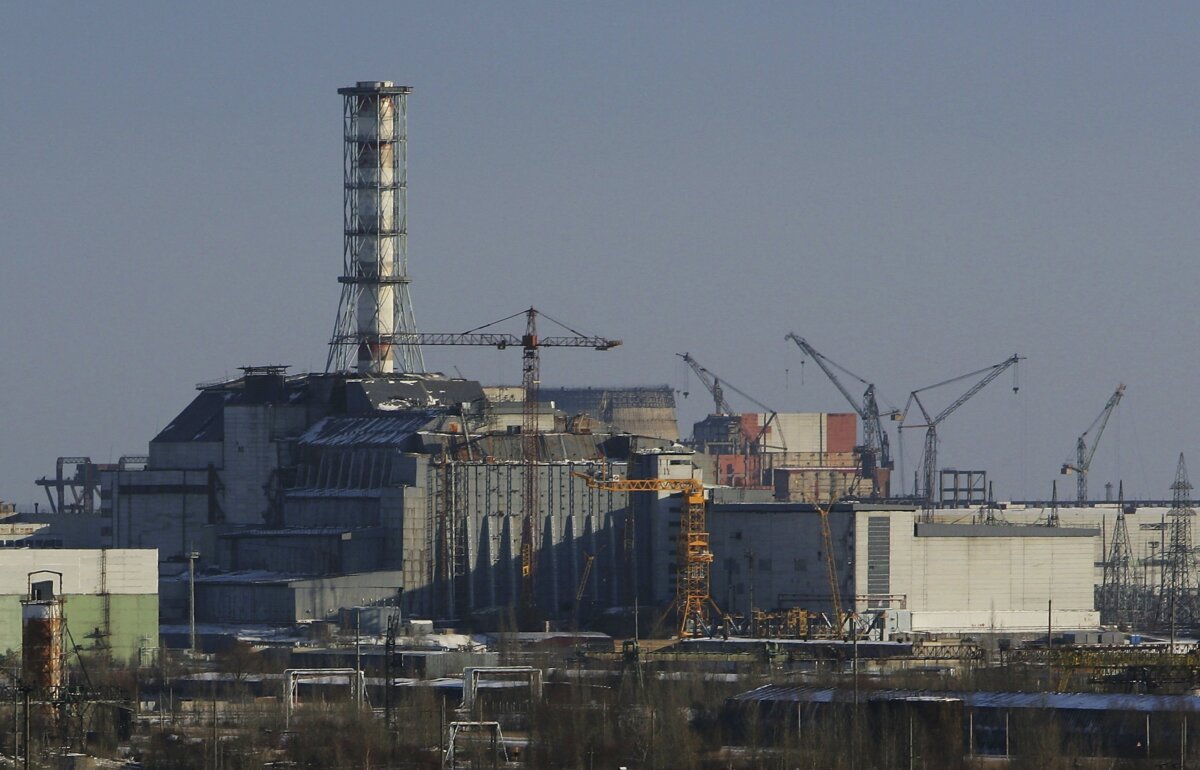

The Chernobyl nuclear disaster. Widely held beliefs include that hundreds of thousands—even millions—of people died from radiation-induced cancer; ecosystems were ravaged; and territories left uninhabitable for millennia.
April 26 marked the 40th anniversary of the disaster. Several experts, as well as the French Association for Scientific Information, an organization backed by Nobel-laureate scientists, caution that public memory of the disaster has been shaped less by epidemiological evidence than by a long-running narrative effort sustained by ideological and economic interests.
These beliefs, experts say, are the residue of a deliberate disinformation campaign launched in the 1980s and are still active today. The accident’s true consequences, they stress, are only a tiny fraction of what most people believe.
A Documented Health Toll
The main historical reference figures come from the United Nations Scientific Committee on the Effects of Atomic Radiation (UNSCEAR) and the United Nations Chernobyl Forum, which gathered several U.N. agencies including the International Atomic Energy Agency, the World Health Organization, the World Bank, as well as the governments of Belarus, Russia, and Ukraine.
The French Association for Scientific Information told The Epoch Times that plant personnel and the firefighters who worked to contain the blaze received the highest doses of radiation. Of them, 134 developed acute radiation syndrome, 28 died within three months, and most others were left with lasting injuries.
The roughly 600,000 “liquidators” mobilized to secure the site did not suffer immediate effects, but a 30-year epidemiological follow-up has identified an excess of leukemias, with “around 4,000 people among the 600,000 most exposed (0.67 percent)” expected to develop the disease.
“Contrary to a widespread belief, the great majority of these liquidators have not suffered medical consequences linked to their exposure,” the French Association for Scientific Information notes.
Among local populations, UNSCEAR reported in 2018 that approximately 20,000 cases of thyroid cancer were diagnosed between 1991 and 2015 in people who were under 18 at the time of the accident in Ukraine, Belarus, and the most contaminated regions of Russia. Roughly 25 percent of these cases (about 5,000) are attributable to ionizing radiation, although the attributable fraction has a wide uncertainty range of 7 percent to 50 percent.
However, in anti-nuclear activist circles, another figure still circulates: nearly a million premature deaths (985,000) between April 1986 and the end of 2004. That number comes from a 2009 report commissioned and funded by the anti-nuclear NGO Greenpeace, which warned that “the number of Chernobyl victims will continue to grow in the next several generations.”
For the French Association for Scientific Information, “This figure of 985,000 deaths is not realistic. The whole issue lies in the method used.”
The publisher of the Greenpeace-funder report later conceded the methodological problem. In a statement issued on Nov. 7, 2013, an editor at the Annals of the New York Academy of Sciences confirmed that the translated volume had “not been formally peer-reviewed by the New York Academy of Sciences, or by anyone else.”
The conflict of interest was, in the words of French energy policy expert Fabien Bouglé, “obvious.”
“The author was also the head of Greenpeace in Russia,” he told The Epoch Times.
A Pop-Culture Icon
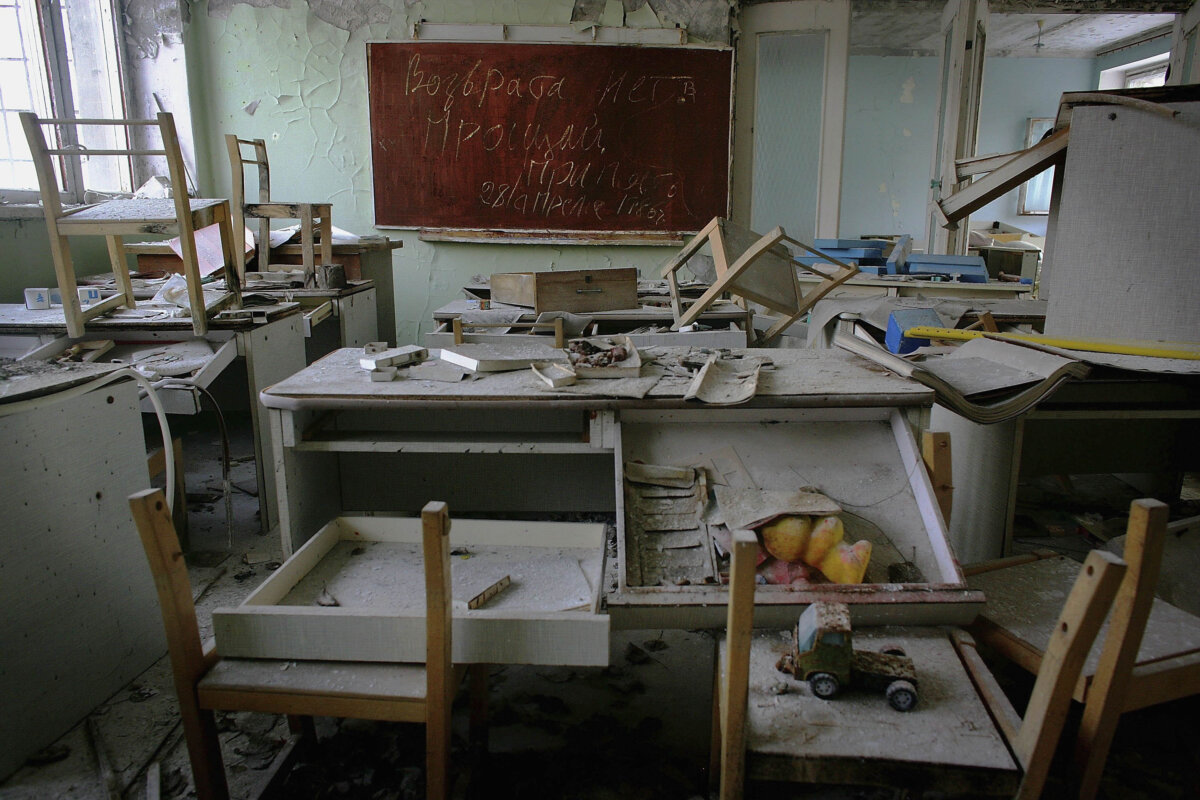
The reason these figures fail to dislodge the larger fear lies in a sustained cultural production, experts said.
Chernobyl has become “a true icon, around which codes have been organized, an almost ritualized phantasmagoria,” according to Myrto Tripathi—a nuclear engineer, former Climate Policy Director of the French branch of the United Nations Global Compact, and now president of the NGO Voices of Nuclear.
References recur “in literature, in cinema, in TV series, video games, cartoons, comic books,” she told The Epoch Times.
The most widely viewed recent example is HBO’s “Chernobyl” miniseries, distributed on Netflix, which Bouglé cites as the most accomplished example of “anxiety-inducing fiction” on the subject.
In October 2025, the French film Rembrandt, financed by France’s National Cinema Center and starring leading actors, “constituted a veritable catalogue of antinuclear arguments, an ode to antinuclearism,” Tripathi said. “That tells you how active the subject remains.”
The result, Tripathi argues, is a public deeply confused about even fundamental concepts, starting with the fact that radioactivity at low doses is not dangerous. “Radioactivity is constitutive of the nature that surrounds us: it is part of the earth’s crust. We are all, individually, radioactive. Radioactivity as such is not a problem,” she said.
What is missing in the public mind, she adds, is the gradient. “They understand very well that one can warm oneself by a fire, and that one can also be the victim of a third- or fourth-degree burn. With radioactivity, they have no such scale of value between an acute overexposure and a natural ambient exposure.”
The ideological architecture, both experts argue, did not assemble itself. Before 1986, Bouglé notes, anti-nuclear movements active in the United States around groups such as Greenpeace lacked a triggering event. “The only notable accident until then, Three Mile Island in 1979, had caused no deaths. Chernobyl, in 1986, became an informational windfall for anti-nuclear outfits.”
Tripathi suggests that the Western environmental movement draws on Malthusian and degrowth-inspired thinking—currents with explicit anti-capitalist roots. In this worldview, nuclear power is associated with the rejection of technical progress and industrial advancement.
“Nuclear became the symbol of the rejection of industrial consumer society,” she states.
The most stubborn residue of the information campaign is mutation imagery. “The idea that radioactivity is, in itself, something extremely dangerous, that some even believe caused monstrous mutations in animals and humans, is entirely fantasy and has no scientific or historical basis. We are in science fiction,” Tripathi said. She recalled a recent radio show in which a listener insisted: “Stop taking us for fools. The five-legged cows, the monstrous children; we have seen them, we know.”
“Well, no, that is false. It is pure disinformation,” she replied. “This part, radioactivity and the instrumentalized fear it provokes, is a direct legacy of Chernobyl, and it is what weighs most today on people’s image of nuclear power.”
The French Association for Scientific Information told The Epoch Times: “Certain groups opposed to civil nuclear energy maintain and use the fear linked to this accident for their political objectives.”
The Hidden Catastrophes
Experts also say that the obsessive focus on Chernobyl has obscured industrial disasters of a different magnitude.
“Eighteen months before Chernobyl, the Bhopal accident occurred,” Tripathi recalls, referring to the 1984 leak at the Union Carbide pesticide plant in India that caused thousands of direct deaths and hundreds of thousands of indirect or delayed victims.
She describes Bhopal as “probably the most serious industrial accident in the world by far, by a factor of 100 compared to Chernobyl. Yet very few people have heard of it.”
Other major accidents such as Seveso in Italy or the Beirut port explosion, fall in the same order of magnitude. But as she puts it, “there is a Chernobyl exception, a nuclear exception.”
Bouglé highlights another largely forgotten case: the 1975 collapse of the Banqiao dam in China, with more than 100,000 victims. “It was a hydroelectric dam, in other words a renewable-energy infrastructure. The mode of production that has killed the most people instantaneously is not nuclear, but a facility today considered ecological.”
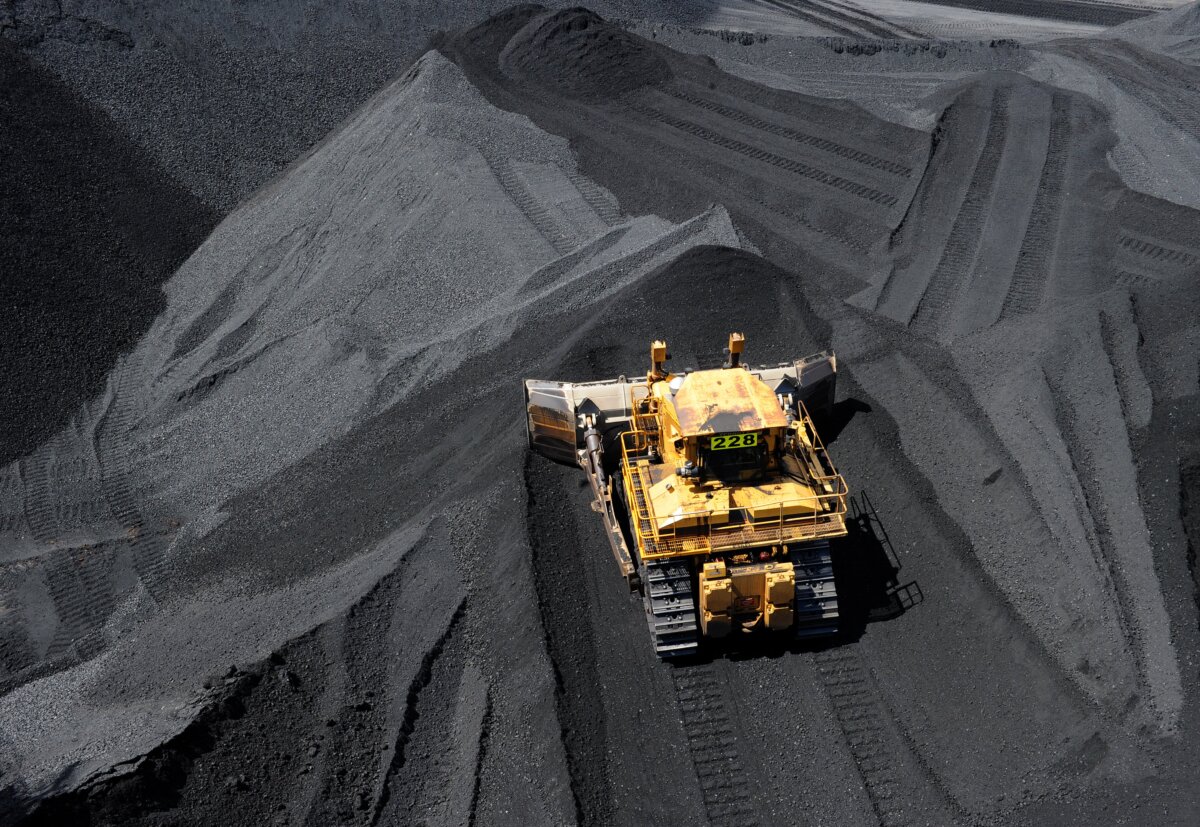
Coal kills daily without making headlines, Bouglé said: “Coal generates around 100 deaths per terawatt-hour, against 0.04 deaths for nuclear.”
Tripathi puts the European coal toll at tens of thousands of deaths per year, “and that is not contested.” Airborne particulates from Polish coal plants, she adds, reach France and “today have more impact there than the radioactivity from Chernobyl ever did.”
The asymmetry of attention, Bouglé argues, is structural, comparable to a plane crash dominating front pages while motorcycles, statistically far more dangerous, rarely make headlines.
“A large majority of young people even believe nuclear contributes to climate change, even though it is not the case at all,” Tripathi notes. “There is a complete disconnect between belief and reality.”
An Erased Safety Legacy
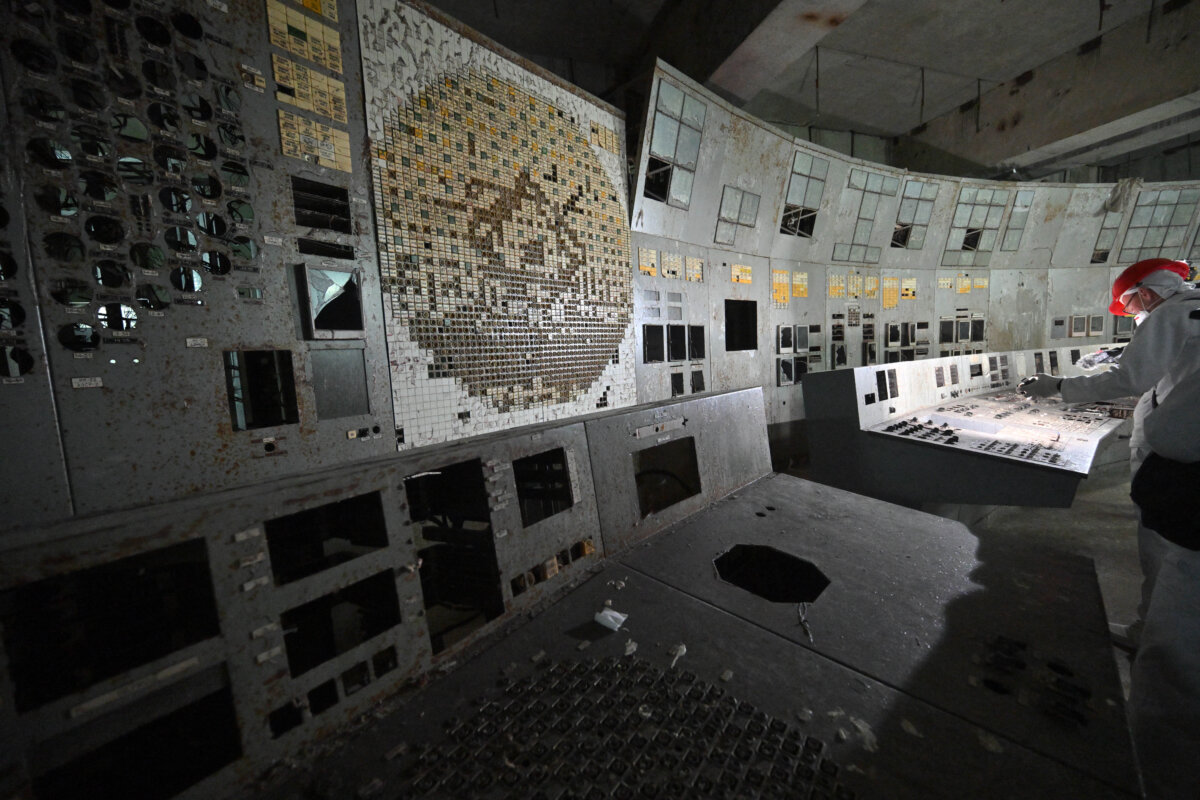
Also written out of the narrative, Tripathi notes, is the safety transformation that Chernobyl produced. The very term “safety culture” itself emerged after the accident, embodied institutionally in the World Association of Nuclear Operators (WANO), funded by the industry itself, and operating without supranational supervision, she said.
The WANO organizes peer-to-peer monitoring with on-site inspections and reciprocal controls. “Why can we trust this system? Not because these operators have superior morality, but because the industry has perfectly understood that an accident, anywhere on the planet, brings it down,” Tripathi said.
Japan’s Fukushima accident in 2011, despite causing no radiation-related fatalities even after a major earthquake and a once-in-a-millennium tsunami, “brought the entire global nuclear industry to its knees.” The lesson, in her view, is reassuring: “What this means is that the nuclear industry knows that its very survival depends on its exemplarity.”
That track record matters because civil nuclear power is not a young technology. “We are speaking of an industry that today has between 60 and 80 years of existence on a global scale, with an extremely long accumulated experience,” Tripathi said. “These technologies have been tested in very different configurations, over long periods, under varied organizational and political regimes.”
That track record, she said, makes the public perception all the more striking. “Chernobyl remains the only civil nuclear accident in the entire history of nuclear power to have caused direct fatalities. The only one. Precisely because it stands alone in an otherwise long and extensive history, it has become the central focus for opponents of nuclear energy. In many ways, it is their sole argument.”

Concrete Costs
For Tripathi, the anti-nuclear posture inside the environmental movement is a doctrinal incoherence. “You cannot be a sincere environmentalist, sincerely committed against environmental pollution, against the health effects on populations, and against climate change, and continue to pursue an anti-nuclear agenda. You are in complete opposition to what science says.”
The political cost has been concrete. Had Western countries relied more heavily on nuclear energy, she asks, “where would we be today in terms of climate impact, of the health impact of air pollution? Would we still have coal plants? What would be the prosperity level of petro-states such as Russia or Iran, if the world did not depend on them as a result of antinuclear propaganda?”
For Tripathi, the persistence is the true scandal. “I can understand that 40 years ago, in 1986, when the Chernobyl accident occurred, fear and panic were aroused. But that 40 years later, the discourse and the talking points are exactly the same, with the same lies. We are in an almost medieval superstition, which takes no account of demonstrated facts or accumulated experience.”
“We are still facing a phenomenon of global disinformation on Chernobyl, an urban legend that has reached planetary proportions.”
 Friends Read Free
Copy
Facebook
Tweet
Friends Read Free
Copy
Facebook
Tweet