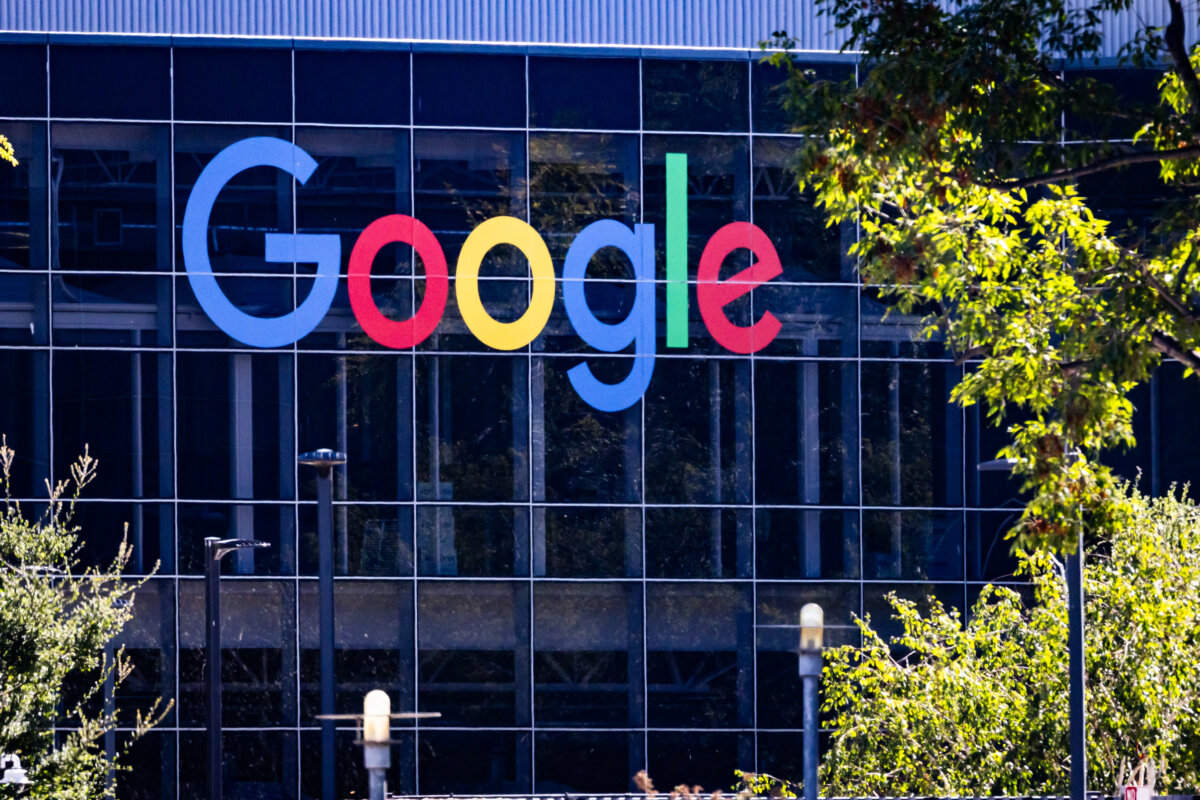

The European Commission fined Google a total of 890 million euros ($1 billion) on July 23 after finding the company breached the bloc’s legislation by favoring its own services in Google Search and restricting app developers from directing customers to alternative purchasing channels outside Google Play.
The bloc’s executive branch said it imposed a 460 million euro ($525 million) fine under the Digital Markets Act (DMA) over Google’s search practices and a 430 million euro ($488 million) fine over its Google Play policies.
The DMA took effect in 2024 and requires the world’s largest tech platforms, including Apple, Google, Amazon and Meta, to open up their services to competitors or face fines of up to 10 percent of their global revenue.
The legislation has come under fire from the Trump administration, which says they unfairly target U.S. tech companies.
The commission ordered Google to end the practices and comply with the decisions within 60 days or face periodic penalty payments of up to 5 percent of its total worldwide turnover. Google may appeal the Commission’s decisions.
Findings, Google’s Response
The European Commission said Google’s search engine gave its own services preferential treatment over competing businesses, violating the DMA’s requirement that gatekeepers apply transparent, fair and non-discriminatory ranking conditions.
Google gave greater prominence to its own shopping, hotel, transport and sports services by placing them higher in search results, the commission said. It instructed Google to treat third-party services featured in Google Search fairly and without discrimination compared with Google’s own services.
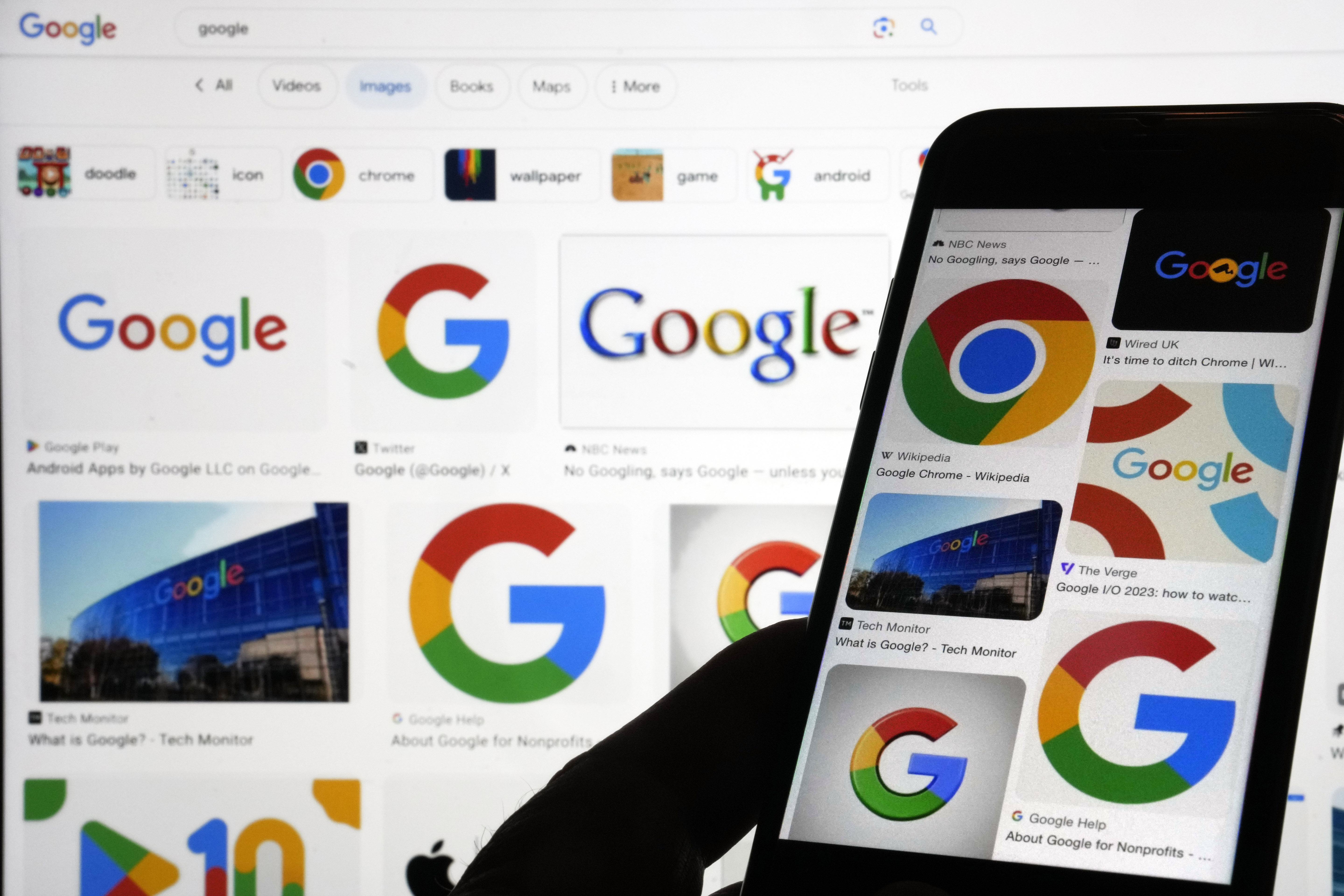 Google logos are shown when searched on Google in New York on Sept. 11, 2023. (Richard Drew/AP)
“This implementation of the DMA continues to break everyday products. To comply, we are having to strip away real-time Search features Europeans love – like instant pricing and direct availability for hotels, flights, and restaurants – and dismantle safety protections on Google Play,” he said.
Walker said the commission’s implementation of the DMA was not creating fair competition but instead degrading Google’s products at the urging of “a small group of self-serving complainants,” with European businesses and consumers bearing the consequences.
“Regulation should improve products, not make them worse,” he added.
Google Play
The commission separately found that Google breached the DMA through rules governing Google Play.
Under the law, developers distributing apps through Google Play must be free to tell customers about alternative offers, including lower-priced options, and direct users to complete purchases outside Google’s app store.
The commission said Google prevented developers from freely communicating and promoting offers or concluding contracts with users through distribution channels of their choice, including third-party app stores.
EU officials ordered Google to allow developers distributing apps through Google Play to communicate with users, promote offers, and conclude contracts both within and outside the Google Play Store.
They also noted that Google has introduced changes to its steering terms, describing those changes as good progress toward compliance. The commission said it will assess those measures as part of enforcing its cease-and-desist order.
 European Union flags flutter outside the EU Commission headquarters in Brussels, Belgium, on July 16, 2025. (Yves Herman/Reuters)
“This is the promise of the DMA, protecting fairness, choice and innovation in digital markets for the benefit of all European citizens,” she added.
The commission said it will continue engaging with Google to ensure compliance with both the July 23 decisions and the DMA more broadly.
Google’s fine follows two earlier DMA penalties against major US tech companies. Last year, the Commission fined Apple 500 million euros ($585 million) and Meta 200 million euros ($234 million).
Apple was penalized for blocking app developers from steering customers to purchasing options outside its App Store.
Meta was fined over its pay-or-consent advertising model, which the commission ruled did not give users a genuine, less data-intensive alternative.
Apple and Meta have both challenged the DMA fines at the EU’s General Court, filing appeals in July 2025. Both cases remain pending.
 Friends Read Free
Copy
Facebook
Tweet
Friends Read Free
Copy
Facebook
Tweet