
The Alberta government has released guidelines for the selection, availability, and access of books in school libraries, aimed at ensuring that students are not exposed to sexually explicit content or age-inappropriate material.
The province had announced in May it would develop guidelines for school library book selection, after confirming that several “inappropriate” titles containing graphic content related to sexual activity, nudity, and molestation were available in some kindergarten to Grade 12 libraries.
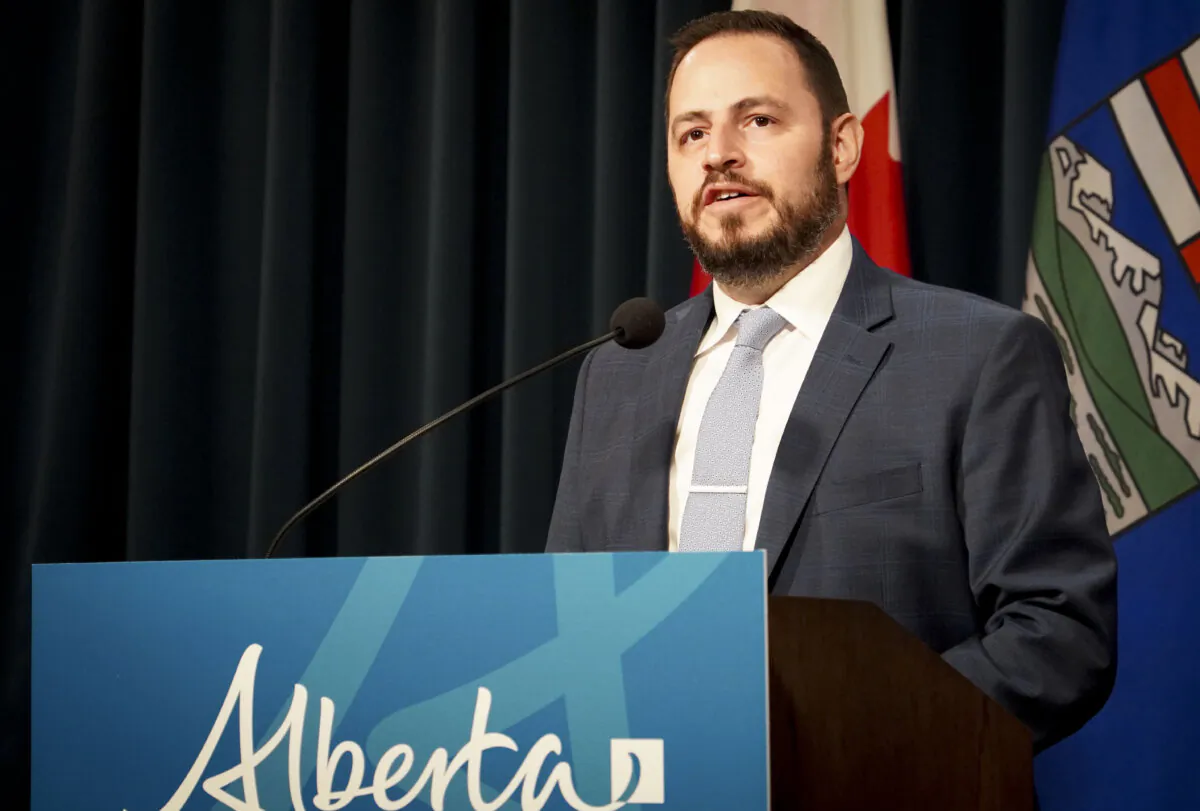
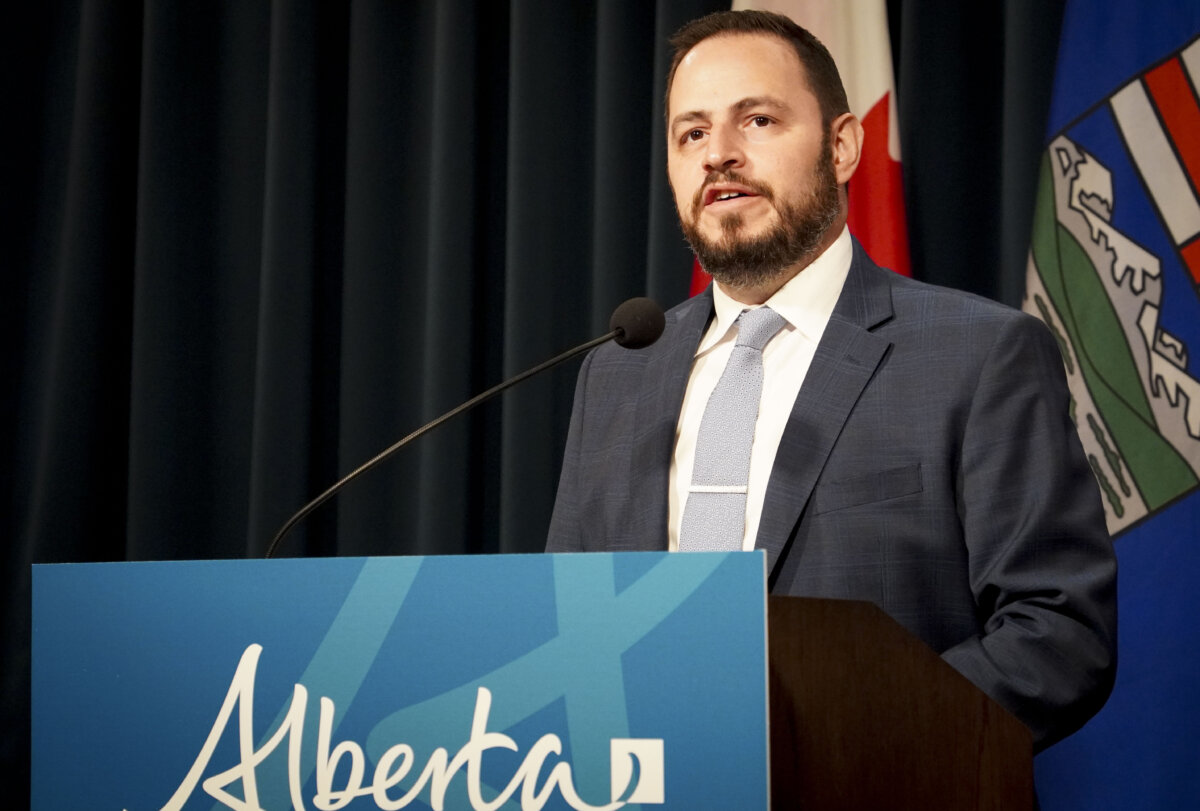
The new guidelines, announced on July 10 and outlined in a ministerial order, were created based on feedback from Albertans collected through a public engagement survey, and consultations with school boards, Education Minister Demetrios Nicolaides told reporters in Calgary.
“We have created a balanced province-wide standard to ensure school library materials are age appropriate and free of sexually explicit content,” Nicolaides said, noting that prior to this, Alberta schools had no formal standards for selecting age-appropriate books for their libraries.
“I am confident that these new standards strike the right balance of supporting the important role school boards, librarians, teachers, and staff play in selecting school library materials while setting clear expectations as it relates to sexual content.”
The minister previously said the province became aware of the need for guidelines after a group of concerned parents flagged sexually explicit content in some books available in elementary school libraries in the province. The ministry then conducted a review and confirmed the parents’ findings.
Some of the books identified as “inappropriate” by the province include “Gender Queer,” a graphic novel by Maia Kobabe; “Fun Home,” a graphic novel by Alison Bechdel; “Blankets,” a graphic novel by Craig Thompson; and “Flamer,” a graphic novel by Mike Curato.
The minister noted that at least one of these titles, “Gender Queer,” has been declared by its author as not suitable for children.
Excerpts from the books shared with the media and the public show explicit sexual content involving both heterosexual and same-sex couples, as well as references to sex between people with large age differences.
The public engagement survey launched by the province in May found that 42 percent of parents believed children should “never” have access to sexually explicit content in school libraries, while 22 percent said such materials should be accessible to students aged 15 or older. Meanwhile, 14 percent of parents said children of all ages should have access to such content.
“We recognize there are diverse viewpoints on this issue, and we appreciate every Albertan who took time to share their views,” Nicolaides said on July 10. “With the policy we are introducing, I firmly believe we have an approach that strikes the right balance.”
He noted that nearly 80,000 people took part in the survey, with parents of school-aged children making up almost half of the respondents and representing the largest group.
School Library Standards
The new guidelines apply to public, separate, francophone, charter, and independent schools, but do not apply to municipal libraries located within schools or to materials selected by teachers for learning purposes, the province said.
Under the new standards, school libraries are not permitted to include library materials deemed to contain explicit sexual content.
The ministerial order defines sexually explicit content as material “containing a detailed and clear depiction of a sexual act.” The order also includes examples of what constitutes sexually explicit depictions, with the minister saying “robust and clear” definitions were necessary to provide “clear direction” to schools.
The standards also address non-explicit sexual content, stating that students below Grade 10 should not have access to library materials with such content. Students in Grade 10 or above can access those materials if they are age or developmentally appropriate for them, the ministerial order says.
Non-explicit sexual content is defined in the document as material “containing a depiction of a sexual act that is not detailed or clear.”
School authorities, such as school boards, must also review their collection of school library materials on a “continual basis” to ensure compliance with the standards, the guidelines say, adding that school authorities must also create and maintain a publicly available list of the materials available at their school libraries.
The guidelines also require school staff to oversee that students do not access materials that do not meet the standards, including items outside the school library but accessible within the school building.
School authorities are expected to remove all material deemed to have explicit sexual content from their school libraries by Oct 1.
They will also be required to have policies or procedures for compliance with the new standards publicly available by Jan. 1, 2026. This includes the mechanism for any member of the school community to request the review or removal of school library materials.
 Friends Read Free
Copy
Facebook
Tweet
Friends Read Free
Copy
Facebook
Tweet