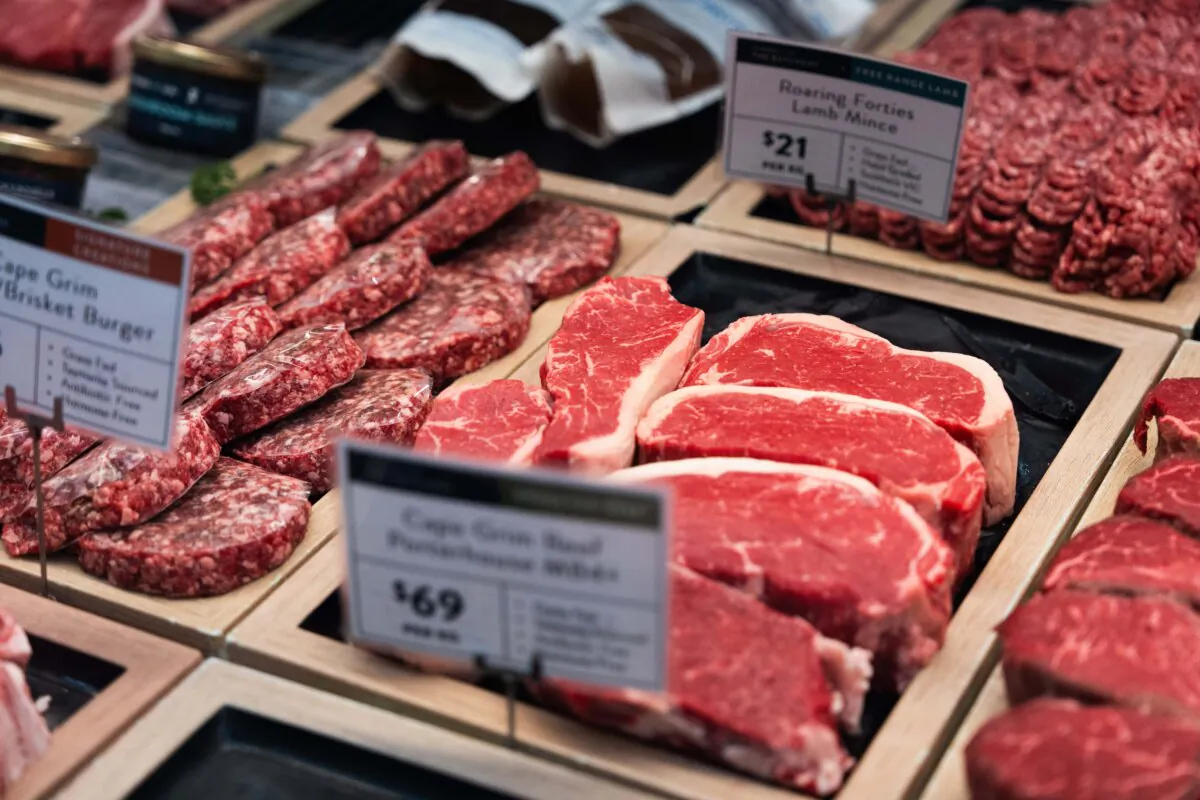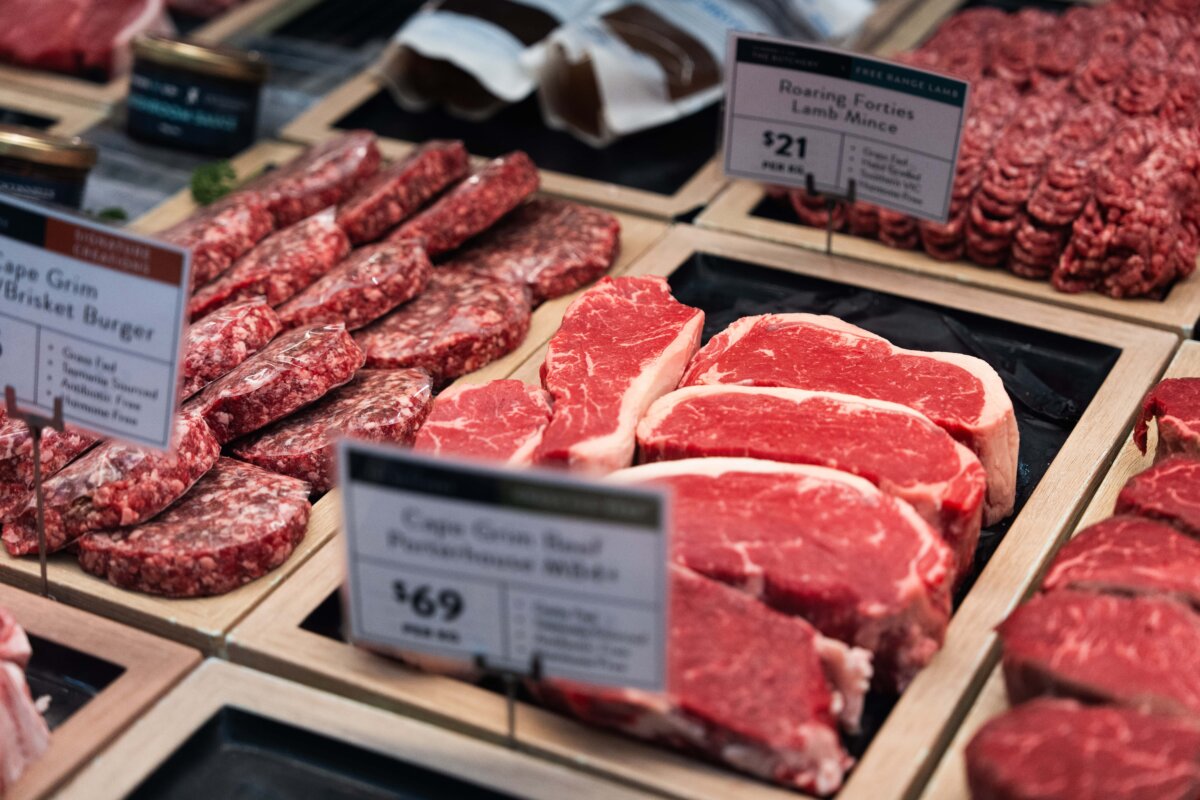

Prime Minister Anthony Albanese says Australia will not relax its biosecurity requirements for imported beef, potentially limiting what Australia has to offer in tariff negotiations with the United States.
The comments appear to differ from Health Minister Mark Butler, who said the rules might be up for discussion.
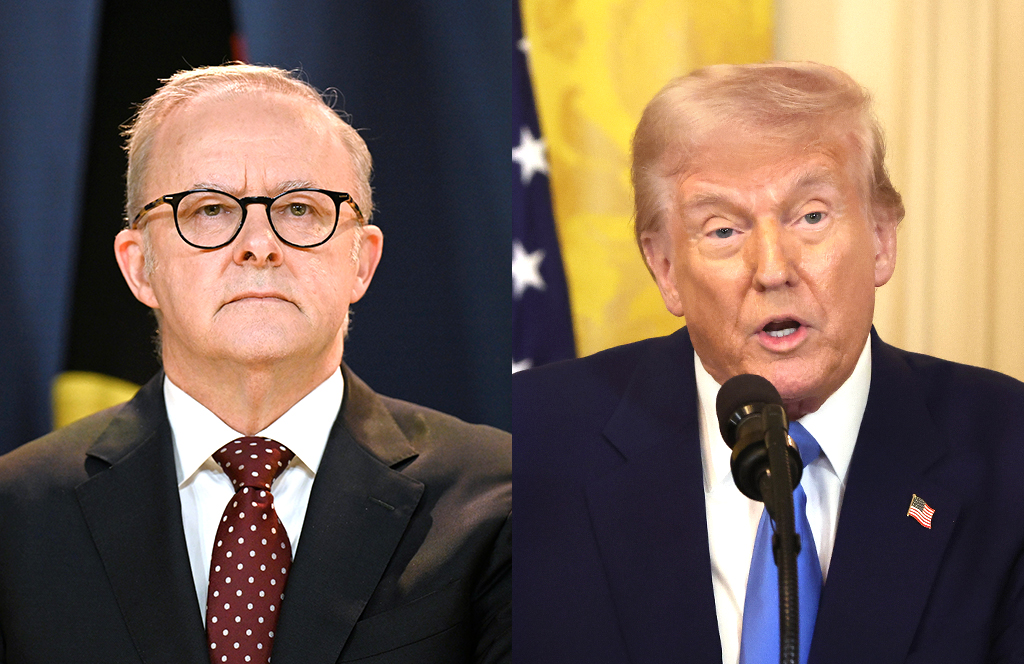
Albanese is preparing to meet with U.S. President Donald Trump for the first time on the sidelines of the G7 summit.
His government is contending with the Trump administration’s Liberation Day tariffs announced on April 2025, which imposed a 10 percent tariff on all imports, impacting the Australian beef sector the most.
Australia is currently the largest beef exporter to the United States, shipping 400,000 tonnes of beef in 2024, valued at $2.9 billion (US$1.89 billion).
A major point of contention is Australia’s strict biosecurity regulations. Those regulations have prevented U.S. beef from entering the local market since 2003 after a case of mad cow disease was found in the United States.
Although Australia lifted the formal ban in 2019, further restrictions have prevented U.S. beef from entering the market. Australia permits imports of beef from cattle born, raised, and slaughtered within the United States, while American cattle may include Canadian or Mexican stock.
“We’ll never loosen any rules regarding our biosecurity,” Albanese told ABC Radio on June 6.
“If things can be sorted out in a way that protects our biosecurity, of course, we don’t just say no … but our first priority is biosecurity.”
When asked whether the government would allow beef raised in countries like Mexico or Canada and processed in the United States to enter the Australian market, Albanese responded with a resolute “no.”
“Full stop. Exclamation mark. It’s simply not worth it,” he said.
Albanese’s remarks contrasted with Health Minister Mark Butler, who earlier said the rules were up for discussion.
“This is U.S. beef that’s raised in Canada or Mexico, not cattle that are raised in the United States itself, but then brought into America, slaughtered there and then proposed for exports,” he told Seven News.
“But this will be a decision taken on its merits, not for convenience, not to get a deal. We’ll be taking a decision in the national interest in this area.”
Meanwhile, Liberal Senator Jane Hume has urged the Labor government to maintain Australia’s strict regimen.
“This isn’t about protecting an industry’s prosperity, it’s about protecting an industry’s integrity,” she said.
“So if you are tweaking biosecurity laws by watering them down, that’s something that I think that we would be very concerned about.”
Australia has a history of taking a near zero-tolerance approach to biosecurity.
Last year, the highly pathogenic strain of Avian influenza, H7N3, was detected at five poultry farms in the state of Victoria.
In response, authorities ordered the culling of one million egg-laying hens. As a result, egg prices in the country have soared 19 percent on average with shortages across the nation’s supermarkets.
A year earlier, to eliminate varroa mite in honey bees, authorities destroyed 27,000 hives amid a $100 million campaign across 14 months before finally conceding the strategy was unworkable.
 Friends Read Free
Copy
Facebook
Tweet
Friends Read Free
Copy
Facebook
Tweet