
Australia is at risk of assisting Russia in the invasion of Ukraine by purchasing oil refined in India from Russian crude.
This is the concern of Australia’s Voice Senator Fatima Payman, who questioned the effectiveness of the country’s sanctions regime against Russia at a recent Senate Estimates hearing.
Since April 2022, Australia has imposed a total ban on the importation of Russian-origin products, including oil, gas, refined petroleum products and coal, in response to the country’s aggressive war in Ukraine.
While Australia’s oil sanctions contribute to the West’s effort to punish Russia for violating international laws, they are not without loopholes.
According to a guidance note (pdf) by the Department of Foreign Affairs and Trade (DFAT), the sanctions do not apply to goods that have been “transformed in third countries using Russian-origin energy goods.”
This means that if an Australian company imports petroleum products refined or processed from Russian crude oil in a third country, those products may not be strictly subject to sanctions.
The Indian Tanker Incident
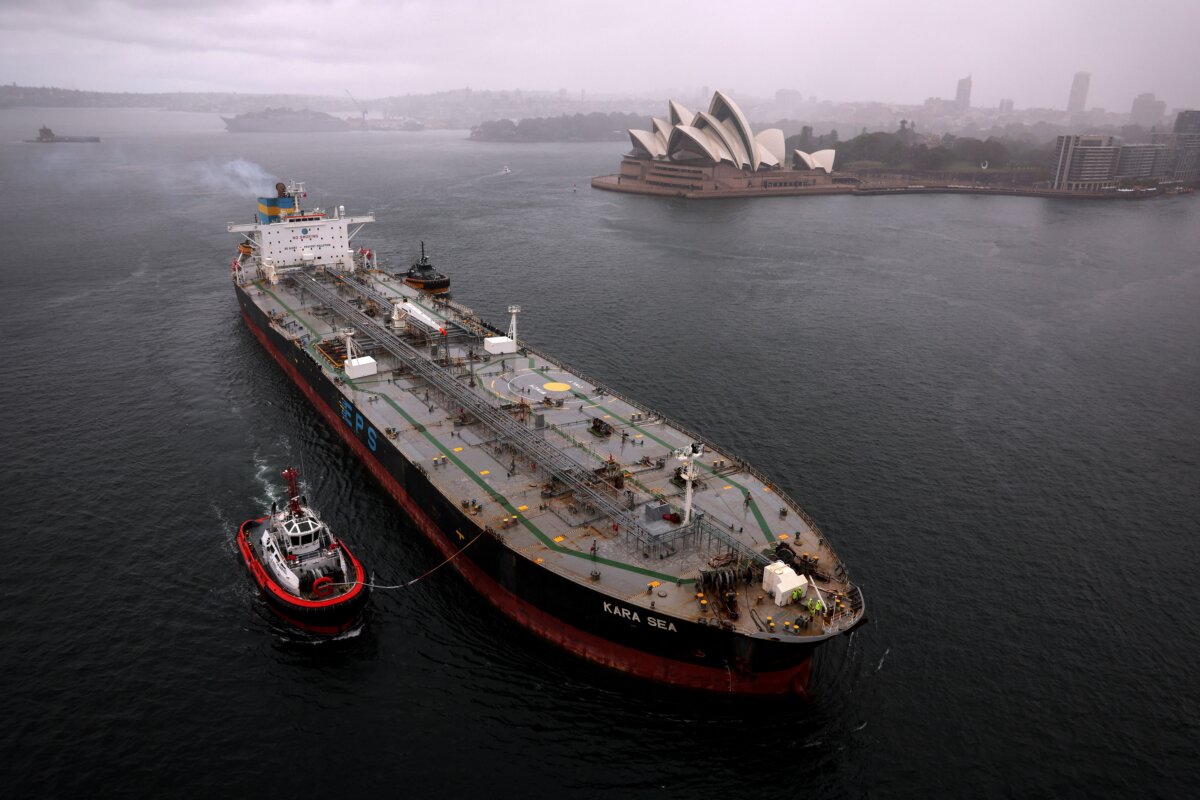
During the hearing, Payman raised concerns that a fuel tanker bound for Australia had left an Indian refinery using Russian oil as feedstock.
She then asked DFAT representatives whether the department was aware that a portion of fuel consumed in Australia actually originated from Russia and was “laundered” through India.

Christian Hirst, a first assistant secretary at DFAT, said the department was aware of the above fuel tanker but also noted that the issue was complex.
“[The challenge here is] being able to trace specifically the origins of a substantially transformed product,” he said.
“There’s no existing international regime that allows that to be done. It’s something that we are aware is a complex problem, and which is the reason we’re consulting closely with the sector on this challenge.”
Payman then questioned whether DFAT had cooperated with the Border Force to stop tankers containing processed Russian oil from reaching Australia, to which Hirst said no.
“These ships are not in breach of Australia’s sanctions regime, so there has been no requirement for us to engage with Border Force on these,” he said.
Meanwhile, Foreign Affairs Minister Penny Wong said the measures imposed by the Australian government had led to Australian imports of Russian energy products falling to zero.
However, she noted that the government currently lacks the means to track and deal with energy products coming from third countries.
“The EU has announced its intention to ban but it’s not issued any guidance as to how it intends to do that,” Wong said.
“Now, it may be when they do that, that will provide some leverage that we could look at as well. I’m very open to that, but at this stage, there isn’t a global tracing system, nor any regulation or oversight in third countries.”
Concerns About Australia Being Complicit in Ukraine Invasion
Payman also raised questions about whether the country is inadvertently helping Russia by keeping its sanctions limited.
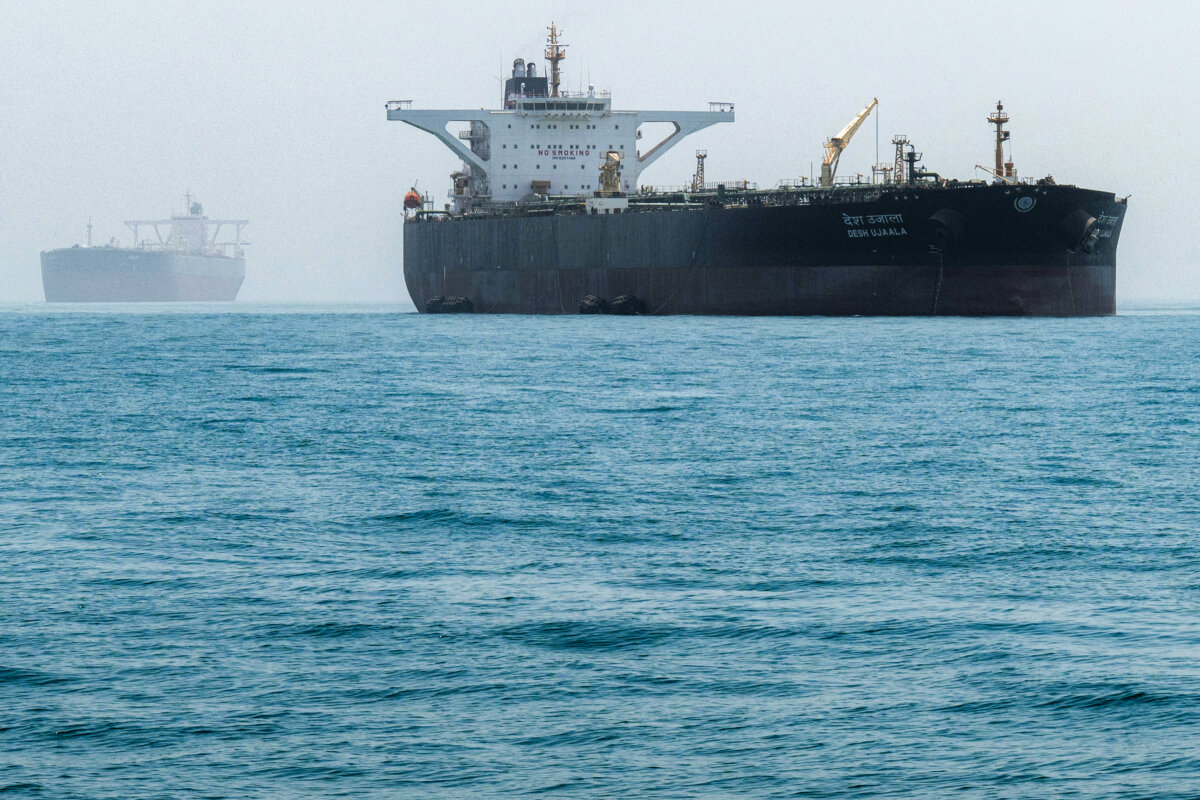
“The refineries in India … that have been sending Russian crude oil that has been refined, and it’s coming to Australia as fuel that will be filling our bowsers and Australians are going to be using that oil, aren’t we then complicit in the killing of Ukrainians and abetting and helping Russia?” she asked.
In response, DFAT Secretary Jan Adams acknowledged that Australia’s sanctions have resulted in some “secondary effects.”
However, she noted that the government is working to address the issue.
“I think what you’re seeing now is attempts to deal with those secondary effects to the extent that we can, when it’s not a global, universal approach,” she said.
“Of course, it’s not easy or straightforward to do that. In fact, it’s unprecedented. So it’s not surprising to me that it takes some time to work out how to try to mitigate against the sort of repercussions after the first-round effects.
“We are now trying to work with partners on mitigating the unintended effects of trade diversion and how those refined products then flow through global markets.”
When asked if the government would consider sanctioning refined oil from countries that accept Russian crude oil, Adams declined to comment, noting that department officials do not speculate about future sanctions.
Adams’ comments came as Australia continues to import oil from countries that have dealings with Russia.
According to the Centre for Research on Energy and Clean Air (CREA), Australia imported over $3.7 billion (US$2.5 billion) worth of fuel refined from Russian-origin crude between February 2023 and June 2025.
The majority of this oil was refined at facilities in India and Turkey.
 Friends Read Free
Copy
Facebook
Tweet
Friends Read Free
Copy
Facebook
Tweet