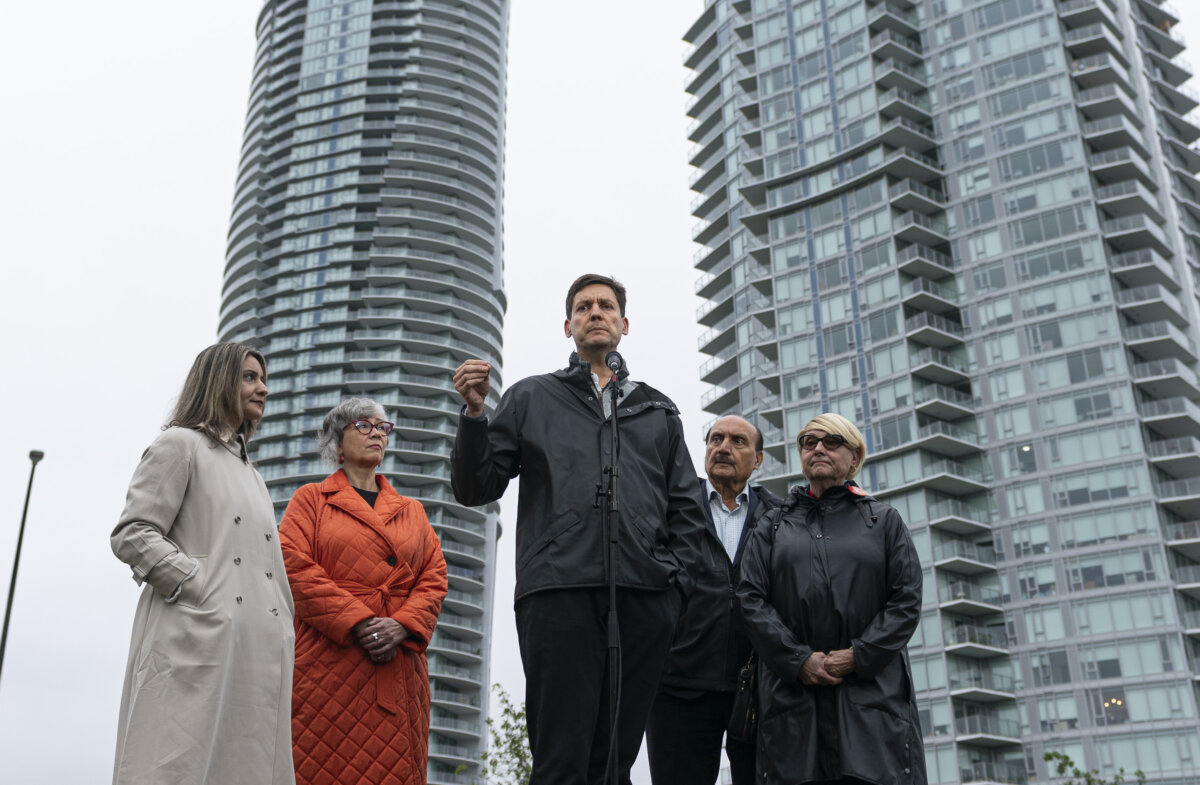
BC NDP Leader David Eby says that if re-elected, his government will put a new tax on condos left vacant or unsold for a year or more, in a bid to create more housing.
Meanwhile, NDP candidate Niki Sharma, who is B.C. attorney general and was MLA for Vancouver-Hastings before the snap election was called, is criticizing the BC Conservative leadership process, saying the party needs to clarify the process for interim leader Lorne Doerkson becoming the permanent leader if the Tories win the election.
Policy Announcement
Eby’s Sept. 25 announcement in Burnaby, B.C., proposed raising the speculation tax by 1 percent for Canadian and foreign owners, as well as bringing in a new “Unsold Condo Tax” on condos that remain vacant for more than a year, starting at 2 percent and rising by 1 percent for every year left vacant thereafter.
“That could unlock up to 5,000 homes for British Columbians,” Eby said on Sept. 25.
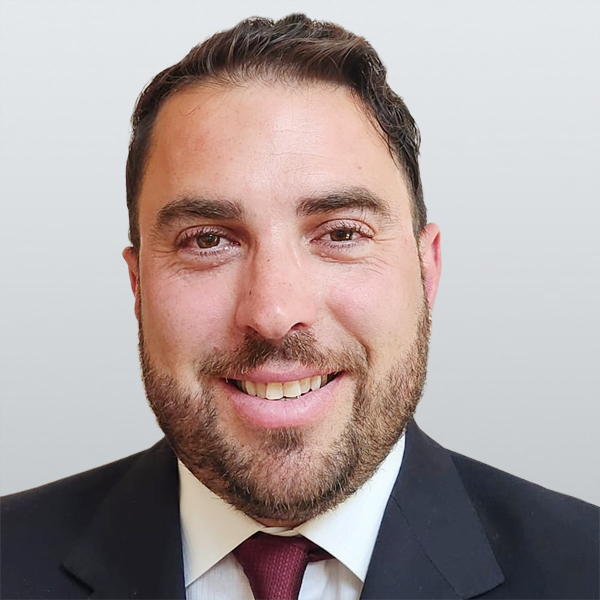
Responding for the BC Conservatives, candidate Trevor Halford, the incumbent MLA for Surrey–White Rock, said that the NDP think “there is no problem the NDP don’t think can be fixed by taxing you more.”
“David Eby would rather pick a fight than take responsibility for his failed housing policies,” Halford told The Epoch Times. “Every new tax on housing ends up in the price a family pays. He doesn’t want to talk about the families his taxes have priced out of this province, so he’s looking for someone else to blame.”
In June, Eby backed a joint federal-provincial framework that proposed financing the purchase of up to 2,200 vacant unsold B.C. condominiums.
He said it would grow access to affordable housing rather than be a bailout for developers as critics had said.
The approximately $1.45 billion plan includes roughly $145 million from Ottawa and $145 million from B.C. with the remainder financed, and could offer units in a rent-to-buy model. Eby said that governments would be able to buy condos in bulk or via bankruptcy proceedings below the cost of construction.
Targeting BC Conservative Leadership Process
Also on Sept. 25, Sharma criticized the process for allowing Doerkson to become permanent party leader if his party forms government, saying that “voters deserve clarity.”
“Kerry-Lynne Findlay left just on Sunday, or was removed, because they knew that an election was coming. This is a decision of their doing, not ours,” Sharma said Sept. 25, referencing Findlay’s Sept. 20 resignation as BC Conservative Party leader.
Doerkson was named interim party leader on Sept. 20 after Findlay stepped down.
The BC NDP have been critical of Findlay’s leadership, who started her tenure by citing “faith, family, and freedom,” and have attempted to connect the Conservatives under Doerkson to the party membership that elected Findlay.
Eby accused BC Conservative Party members of wanting a “blank check” for which “the signatory on that check will be the same party members that sent Kerry-Lynne Findlay in as leader.”
BC Conservatives have said they’re now under a new direction with Doerkson at the helm.
“Our caucus and party will now move forward together, focused on providing strong opposition and representing British Columbians across the province,” party president Mauro Francis said in a statement.
Under the BC Conservative Party constitution, an interim leader can only serve until a permanent leader is chosen and can’t run in the leadership contest.
However, in a Sept. 23 release, the BC Tories said they “will pursue the appropriate means” to amend the constitution and bylaws so that Doerkson can stay on as leader if he becomes premier.
“A Premier chosen by British Columbians deserves the certainty of leading his party. This amendment will provide it,” the board wrote in a Sept. 23 statement.
Under its constitution, any changes to bylaws or the BC Conservative constitution are voted on at a special general meeting or annual general meeting and need to have at least a two-thirds majority vote of members present in order to pass.
Findlay said she stepped down due to infighting in the party.
“From the outset, too much of our time and attention has been consumed by internal conflict,” she said in her Sept. 20 resignation statement, saying that instead the party’s energy should have gone toward “challenging the NDP, advancing our principles, and preparing to form government has instead been spent fighting amongst ourselves.”
 Friends Read Free
Copy
Facebook
Tweet
Friends Read Free
Copy
Facebook
Tweet