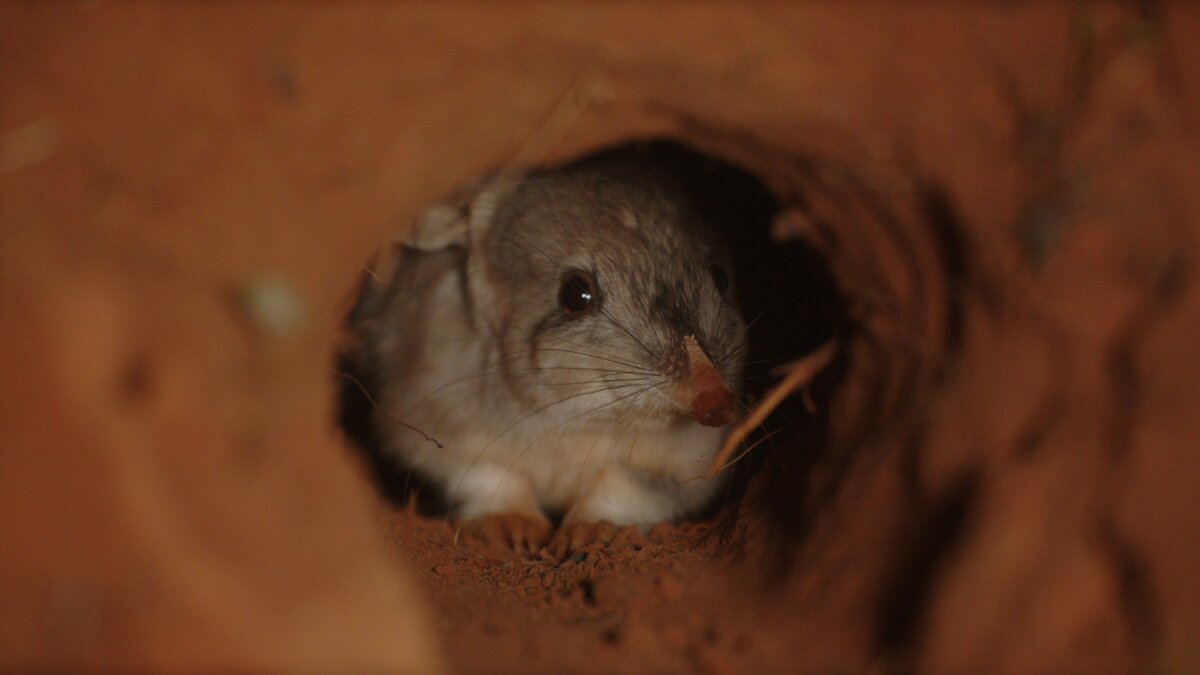
Bilbies have made a comeback in outback Queensland, with 150 released beyond a predator-proof fence at Currawinya National Park in southwest Queensland.
The remote location is at Hungerford, about 1,000 kilometres inland from the Gold Coast and just north of the New South Wales border.
The greater bilby hasn’t been spotted in the national park since the 1970s when it became extinct in that area.
Save the Bilby Fund CEO Kev Bradley said the release of the bilbies into the wild was part of the long-term recovery plan for the species.
“Releasing them to the wild is a necessary step if we want to see a wild self-sustaining population,” Bradley said.
“Our monitoring program will inform feral animal control to give these pioneering bilbies the best possible chance to reclaim their rightful place in the wild.
“Researchers will use remote cameras, tracking devices, and burrow and footprint counts to monitor the population in the coming months.”
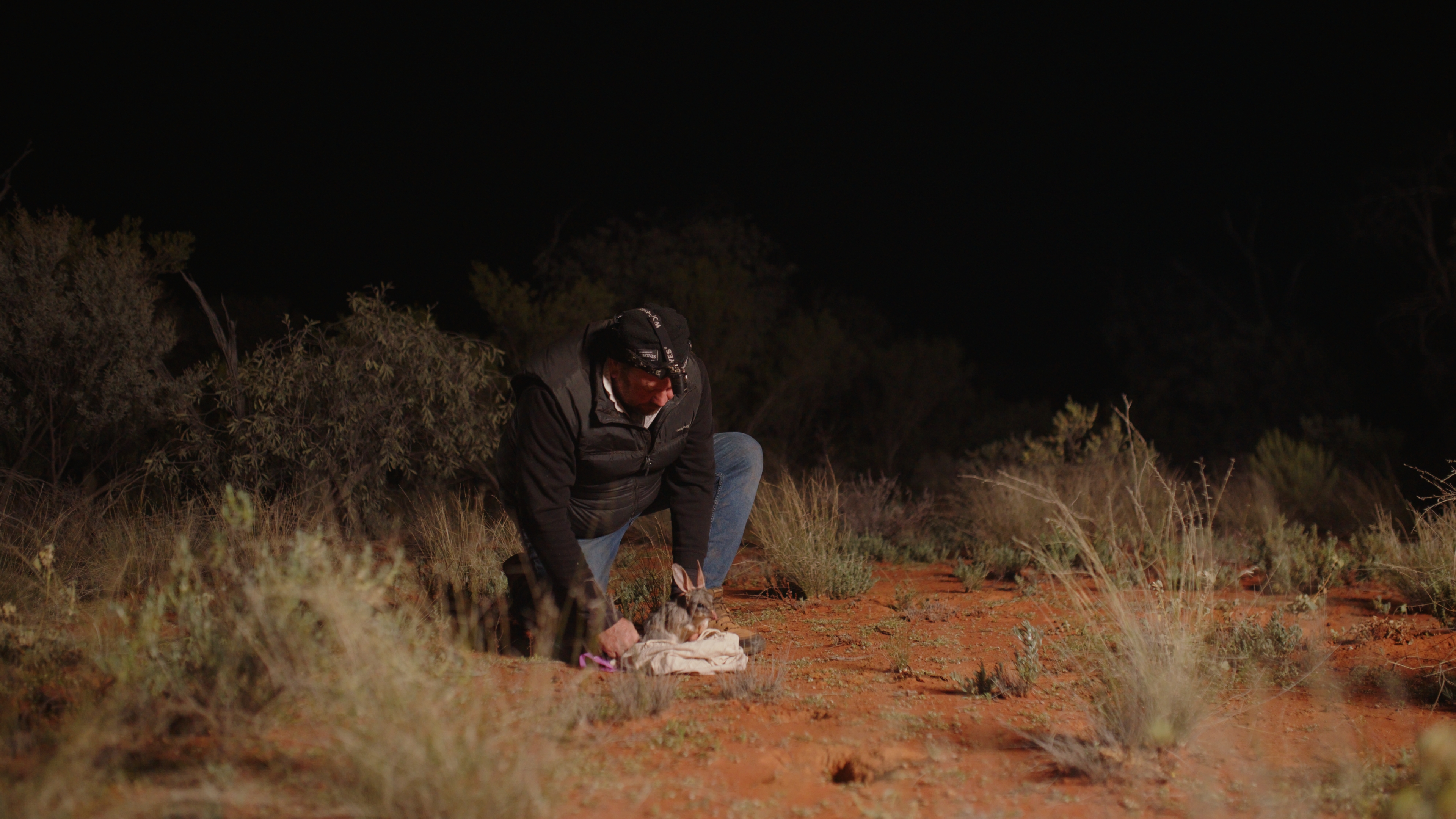 A volunteer helps a bilby back into the wild. (Courtesy of Save the Bilby Fund)
A total of 28 volunteers and veterinarians worked over several nights to help safely integrate the little creatures.
“While the rest of the world slept, our team was trapping, examining, preparing and releasing bilbies under the western Queensland stars,” the organisation said in a statement.
The release started with trapping bilbies inside the fenced reserve, assessing 280 of them to determine which would be best to transfer to the wild.
All bilbies were found to be in excellent health, and one of the first to be released was “Margaret,” who was bred in Charleville and carried two babies in her pouch.
The release coincides with National Threatened Species Day, held on Sept. 7 every year.
In a statement, the Save the Bilby Fund said the release was made possible through working alongside the Queensland government’s Department of the Environment, Tourism, Science and Innovation (DETSI), and Queensland Parks and Wildlife Service.
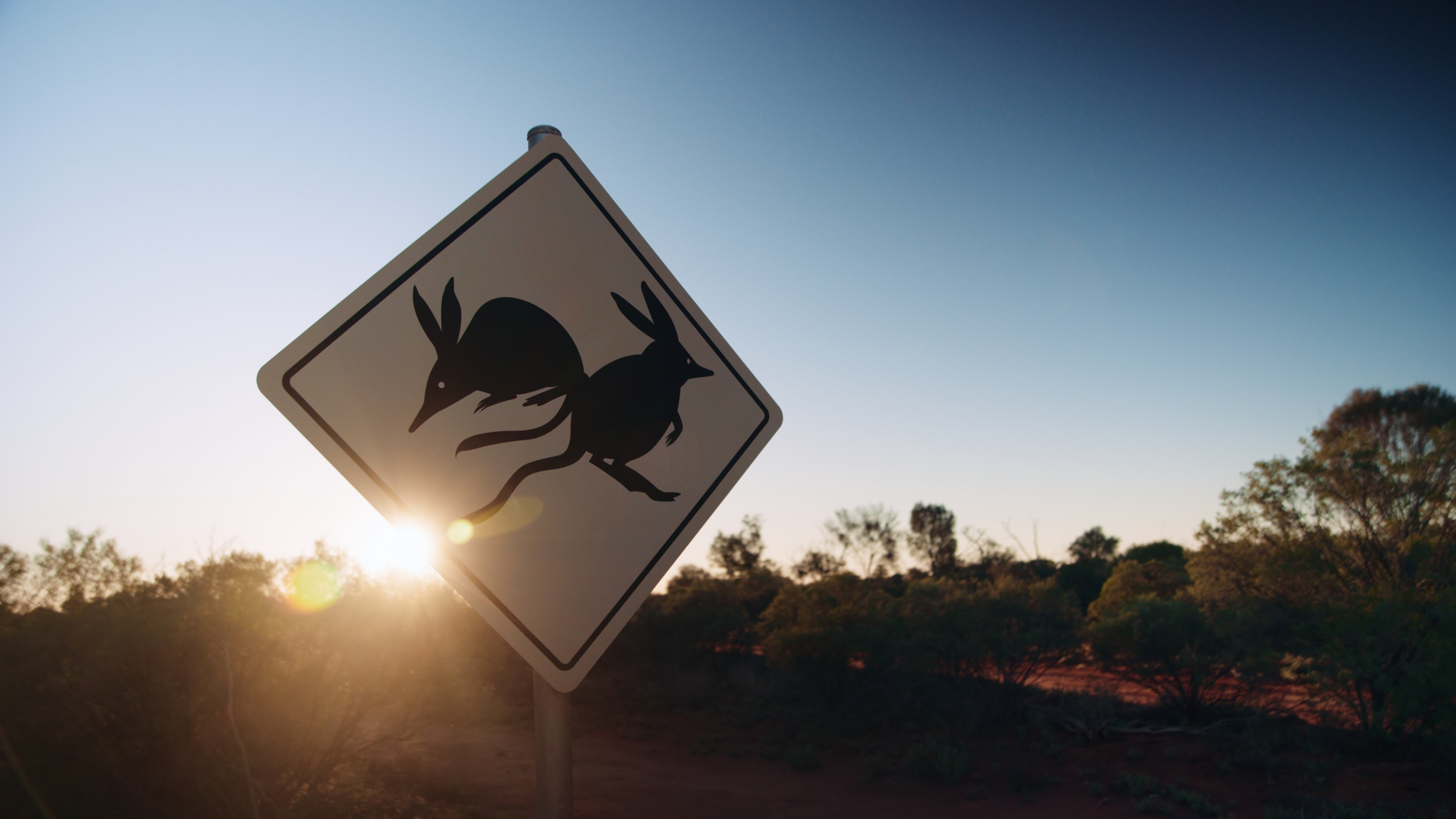 150 bilbies were selected to help repopulate a remote national park where they went extinct in the 1970s. (Courtesy of the Save the Bilby Fund)
Minister for the Environment and Tourism Andrew Powell said Queensland was home to unique wildlife.
“These projects show what can be achieved through practical conservation, habitat restoration and targeted feral predator control and gives us real confidence for the future,” he said in a statement provided to The Epoch Times.
Bilbies are small, nocturnal Australian marsupials with long ears, a pointed snout and strong digging claws, adapted to life in dry and desert environments.
The species is officially listed as endangered.
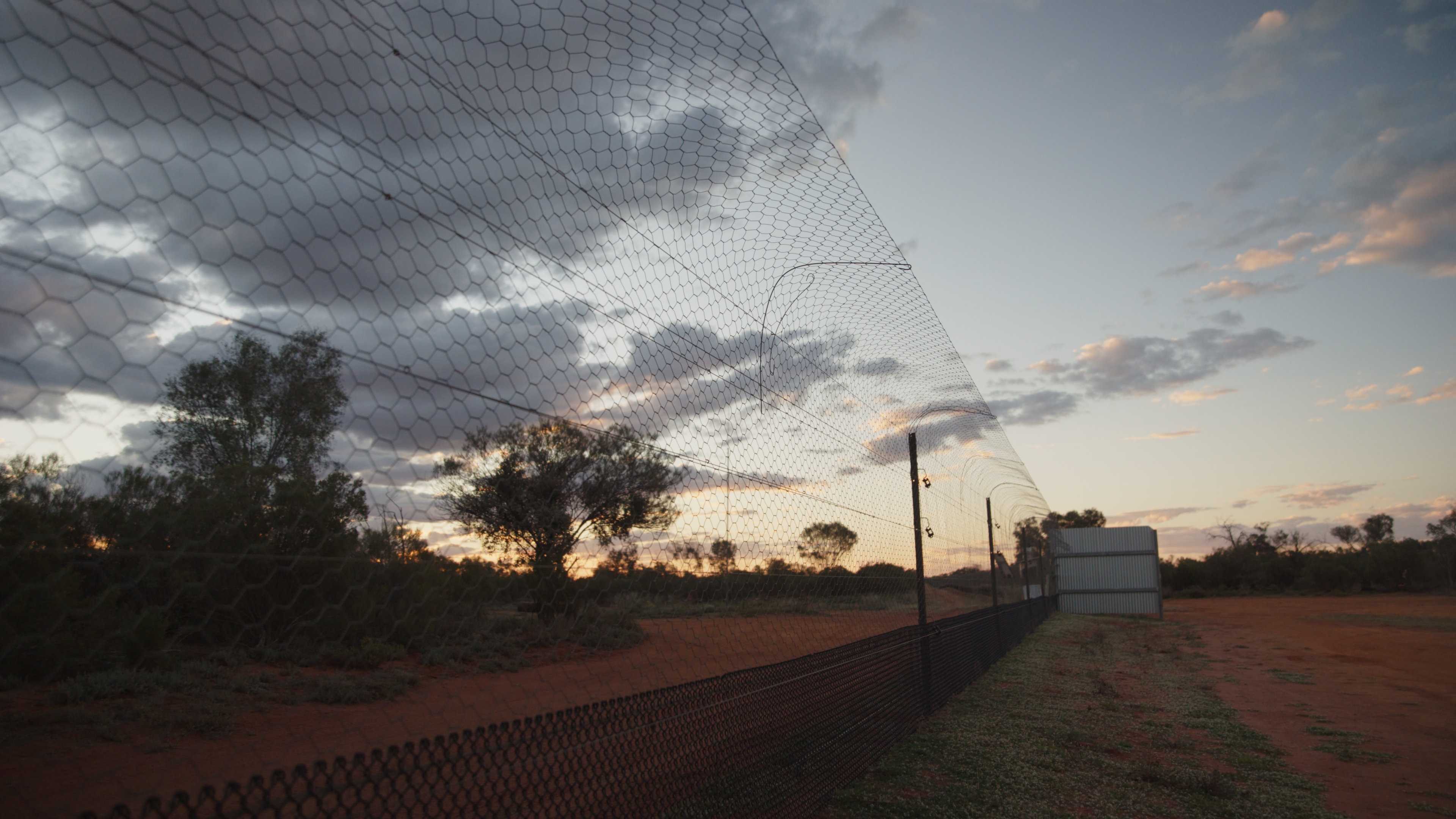 Fencing is a helpful tool in ensuring bilbies and other wild marsupials can live without fear of many predators. Courtest of the Save the Bilby Fund
Hairy-Nosed Wombats Released
A group of six hairy-nosed wombats has also recently been released into Dhuny Yumba national park in south-west Queensland, around 600 kilometres from Brisbane.
The hairy-nosed wombat is one of the most endangered mammals on earth and the new arrivals will live within a predator-proof enclosure.