
Beijing says several tariffs on Canadian agricultural products will be lifted effective March 1, following an agreement reached during Prime Minister Mark Carney’s visit to China.
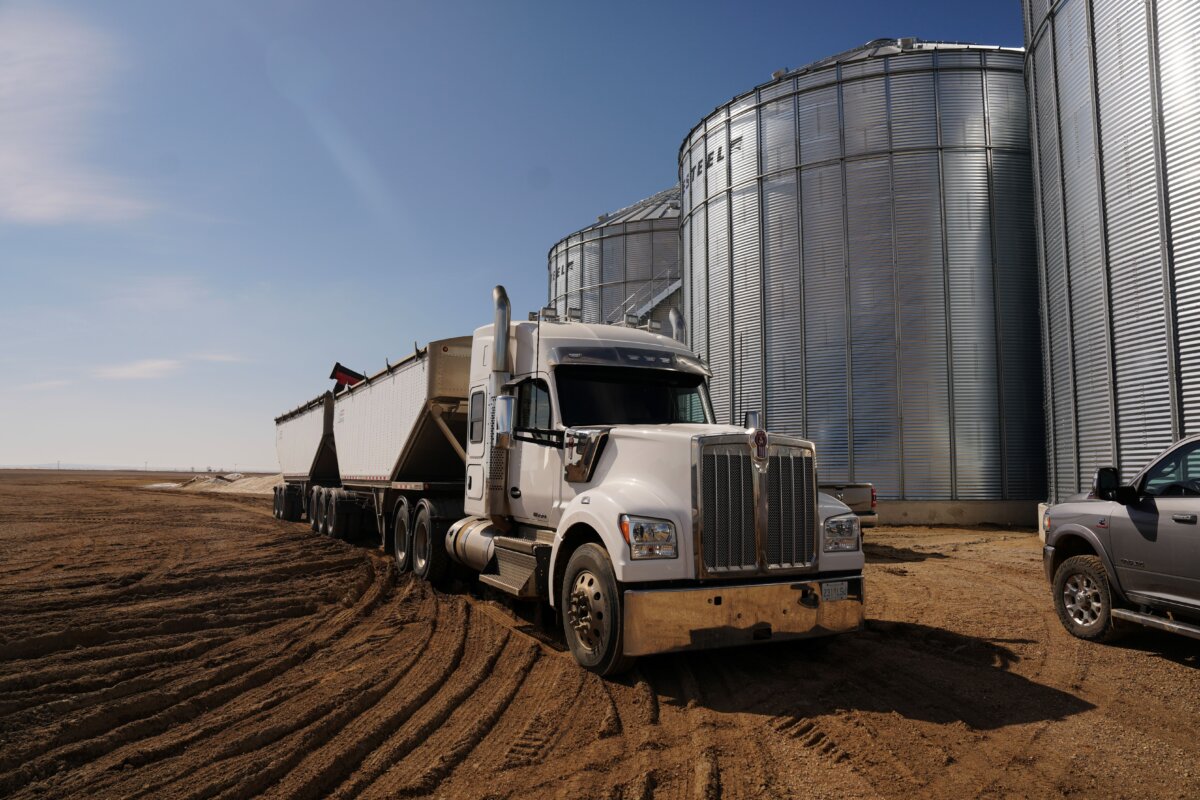
The Chinese ministry of commerce said on Feb. 27 that the 100 percent tariffs on Canadian canola meal and pea imports, and the 25 percent tariffs on lobster and crab will be suspended until the end of 2026.
Beijing did not announce a change to the combined tariff levels on Canadian canola seed, which hovers at around 85 percent.
Global Affairs Canada said on March 4, however, that the Chinese tariffs on canola seed were lowered to a combined rate of 14.9 percent as of March 1.
Following the meeting between Carney and Chinese leader Xi Jinping on Jan. 16, the Prime Minister’s Office (PMO) had outlined the deal reached with Beijing to resolve a trade conflict.
The PMO had said Canada expected China would lower its tariffs on canola seed to a combined rate of around 15 percent, noting China is a $4 billion canola seed market for Canadian producers.
Beijing had slapped the tariffs on Canada in March 2025 in retaliation for Canada imposing 100 percent duties on Chinese electric vehicles (EVs) in the fall of 2024. Ottawa had also slapped a 25 percent surtax on Chinese steel and aluminum. The measures aligned with similar moves made by the United States under the Biden administration.
Carney had cut tariffs on up to 49,000 Chinese electric vehicles, with the quota increasing to about 70,000 after five years, in exchange for tariff relief on Canadian agricultural products. The EVs will be charged the “most-favoured nation” rate of 6.1 percent.
Saskatchewan Premier Scott Moe, who had accompanied Carney to China, had welcomed the deal, which he said would alleviate pressure on his province’s canola producers. Moe had expected the deal would reduce tariffs on canola seeds.
“This is a good deal for Canada, which restores our trade with China to levels from a year ago,” he said following the trip in mid-January.
Others reacted less favourably to Carney’s deal with China, including Ontario Premier Doug Ford, whose province’s auto industry will be impacted by the influx of cheaper China-made EVs.
Ford said the move will kill jobs, and that Chinese EVs pose a privacy and security risk given their sensors and collection of personal data.
Ottawa has brushed aside those concerns, with Public Safety Minister Gary Anandasangaree saying Chinese EVs will need to comply with Canadian regulations like other car manufacturers.
The Carney government has scrapped the federal EV mandate, but has maintained its objective of getting more gas-powered cars off the road to reduce greenhouse gas emissions. Ottawa’s plan now involves having stricter tailpipe emissions for vehicles and improving uptake with subsidies and more affordable vehicles like those made in China.
U.S. President Donald Trump and his top officials have criticized Ottawa’s deal with Beijing and warned that Canada cannot become an entry point for Chinese EVs and other goods.
“We know that Canada has talked about having closer ties, economic ties, with China. I don’t want a situation where Canada is being used as a back door for China’s goods,” U.S. Trade Representative Jamieson Greer said this week.
Reuters contributed to this report.
Editor’s note: the article was updated with information from Global Affairs Canada.
 Friends Read Free
Copy
Facebook
Tweet
Friends Read Free
Copy
Facebook
Tweet