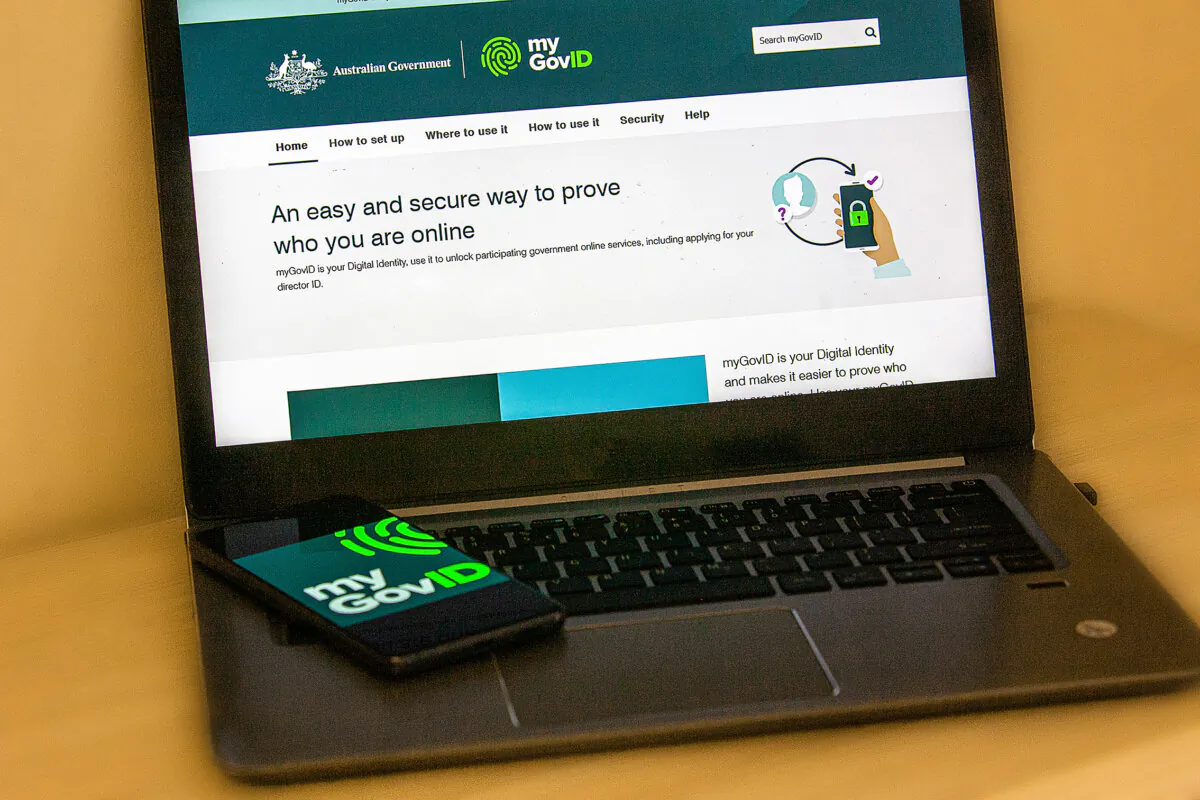

Shadow Communications Minister Melissa McIntosh has raised concerns about digital ID being used as part of Australia’s under-16s social media ban.
The Coalition supported the social media ban on the condition there would be no digital ID.
“There’s questions around the powers of the eSafety Commissioner, the unintended consequences. There’s certain measures that platforms have to use, but [sort of buried in the trickery of the communications] there’s potential for digital ID to be used,” McIntosh said on Sky News Australia.
The comments come after the Australian eSafety Commissioner Julie Inman Grant released regulatory guidance for the ban.
They specifically state that platforms could not use government ID as the sole method of identification.
“Platforms must always offer reasonable alternatives to government ID or accredited digital ID services,” the regulatory guidelines state.
However, McIntosh pointed out that the digital ID had not been ruled out.
“There’s other means, first and foremost. But [Inman Grant] does have the power to mandate digital ID if she chooses to. And … if all other measures fail, platforms could use digital ID—it is in the report and that is a measure that could be used,” she said.
The social media ban for Australians under 16 takes effect on Dec. 10, raising questions about how big tech will actually enforce it.
While the guidelines did not enforce a mandatory digital ID for all Australians, they did allude to it as a potential verification method.
Coalition Want Inquiry Into Power of eSafety Commissioner
McIntosh claimed that Inman Grant yields a “significant” amount of power, calling for an inquiry to assess whether the eSafety commissioner’s powers are suitable for today’s day and age.
“This is not a personal thing against her, this is about the role. It was established 10 years ago when the world was a very different place,” McIntosh said, adding that technology has since come a long way.
Despite her concerns about the digital ID and the powers of the eSafety commissioner, McIntosh said the social media ban is first and foremost about protecting kids.
“I don’t want it to get to the stage where people were so fed up with using their digital ID that it impinges on children being safe,” she said.
“And we can’t forget that there’s some harrowing stories. I met with families who’ve lost children to social media harm, and that’s really heart wrenching stuff.”
“So, at the heart of it, we want what’s in place to work.”
No Need to Verify Everyone
eSafety confirmed on Sept. 16 that they would not ask platforms to verify the age of every single Australian using social media.
“Blanket age verification may be considered unreasonable, especially if existing data can infer age reliably,” eSafety said.
In addition, it stated that eSafety does not expect platforms to keep personal information from individual age checks. However, it also did not specify any consequences for tech companies that do.
The eSafety commissioner has also left it up to the tech companies to decide how they verify age.
Labor Communications Minister Anika Wells said the Labor government was ensuring Australian kids would be safer online.
“Under the guidance, the onus is on platforms to prevent under-16s from holding accounts on their services, including by proactively addressing attempts at circumvention. Platforms are also expected to take a layered approach to age assurance that increases confidence in age estimates,” Wells said in a statement.
 Friends Read Free
Copy
Facebook
Tweet
Friends Read Free
Copy
Facebook
Tweet