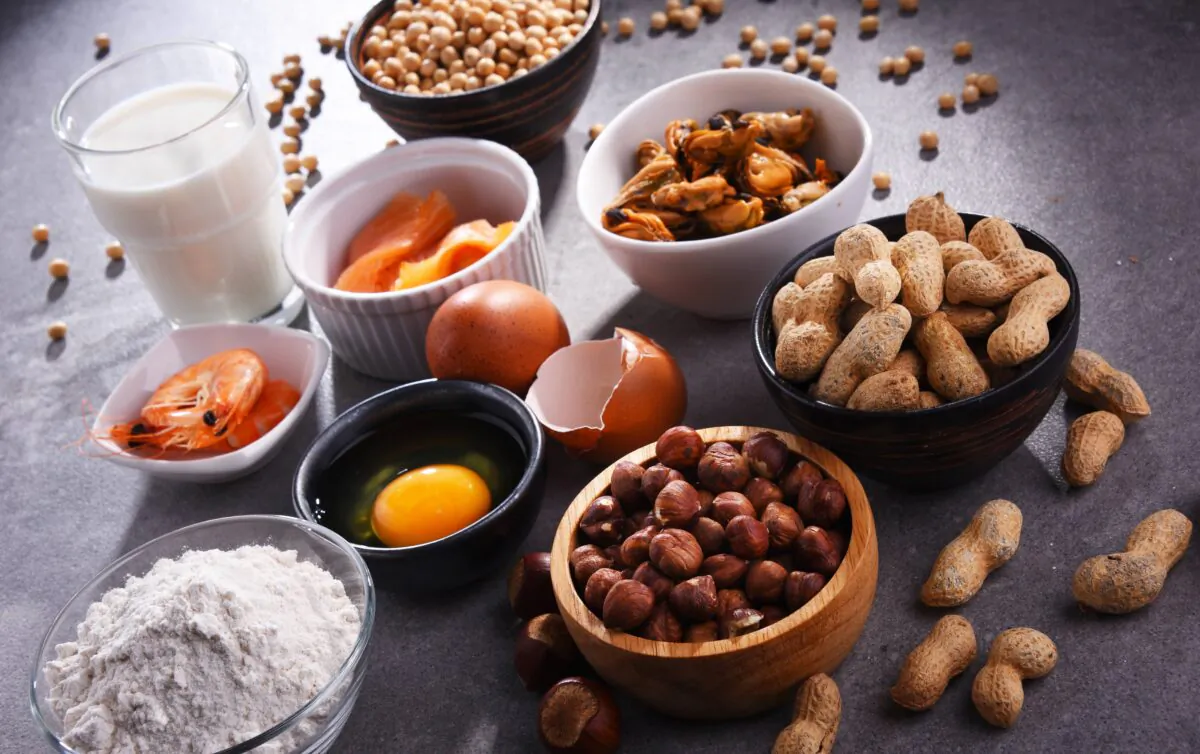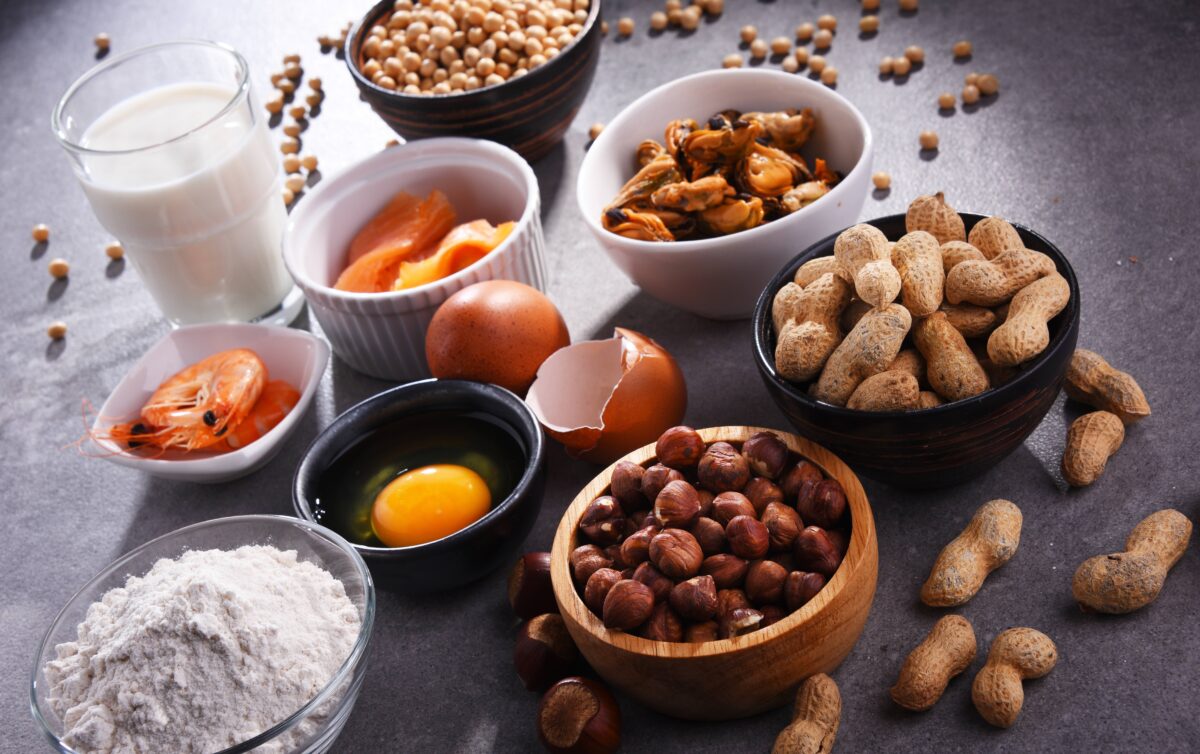

Introducing babies to peanuts, eggs, fish, and other common allergens early and regularly can reduce their risk of developing allergies, a new Canadian study says.
Lead author Dr. Derek Chu says researchers reviewed more than 190 food allergy studies involving 2.8 million participants across 40 countries to pinpoint the key risk factors that contribute to the onset of food allergies.
A study published this week in JAMA Pediatrics indicated that postponing the introduction of peanut-containing foods until after a baby is 12 months old doubles the chances of the child developing a peanut allergy. The research revealed similar findings for fish and eggs.
Chu told Up to Speed podcast host Faith Fundal that parents can start introducing foods such as peanut butter or eggs once their baby is developmentally ready to eat solid foods. The key, he said, is to keep these foods consistently in the child’s diet after introduction.
The recommendation aligns with the food allergy guidelines provided by the Canadian Paediatric Society, which advises that babies should consume the newly introduced food several times a week “to maintain tolerance.”
Babies with pre-existing allergies, asthma, wheezing, or eczema during their first year of life, as well as those with an allergic parent or sibling, face an increased risk of developing a food allergy, according to the report.
Chu, who is an allergist-immunologist and assistant professor at McMaster University in Hamilton, Ontario, Canada, noted that even babies with a family history of allergies should try different foods.
“While we see these factors, such as family history being important, it might bump up someone’s risk by say, 5 percent at the very beginning,” he said, noting that even with other factors such as childhood eczema or asthma at play, there is still likely only a 40 percent risk of a food-specific allergy.
“Conversely, that also means that there’s a 60 percent chance of not being allergic or in other words, the odds are in people’s favor.
“So don’t delay, because the longer you delay, the higher that risk gets.”
The research also found that systemic antibiotic use within the first month of life was a strong risk factor in developing allergies. Researchers said that while limiting the excessive use of antibiotics is important, it may be needed to clear up a bacterial infection.
The study also found that first-born babies and those born by cesarean delivery were at higher risk of food allergies and that boys are also generally more likely to have food allergies during childhood.
Introducing New Foods
Food Allergy Canada says allergenic foods such as cow’s milk, egg, peanut, tree nuts, sesame, wheat, soy, and fish should always be introduced at home and in small amounts.
An online guide from the nonprofit organization suggests introducing a new food when the child will be awake for at least two hours afterward so parents can monitor if allergy symptoms develop.
“Feeding allergenic foods for the first time in most babies is safe,” the guide notes. “It rarely causes a severe allergic reaction. If a food allergy is suspected, stop offering that food and speak to the doctor right away.”
It also warns that peanuts pose a choking risk, but a safe way to introduce them is by combining peanut butter with hot water, allowing the mixture to cool, and then incorporating it into an already-tolerated food such as baby cereal or puréed fruit.
Jennifer Gerdts, executive director of the organization, which is dedicated to helping people living with food allergies, co-authored the study and endorsed its conclusions.
“This publication confirms that food allergy development in children is influenced by multiple factors,” Gerdts said in an emailed media statement. “Early introduction and continued inclusion of allergenic foods—central to our ‘Eat Early, Eat Often’ guidance—has shown promising results in reducing food allergy risk, but more needs to be learned about additional ways to prevent food allergy.”
The Canadian Press contributed to this report
 Friends Read Free
Copy
Facebook
Tweet
Friends Read Free
Copy
Facebook
Tweet