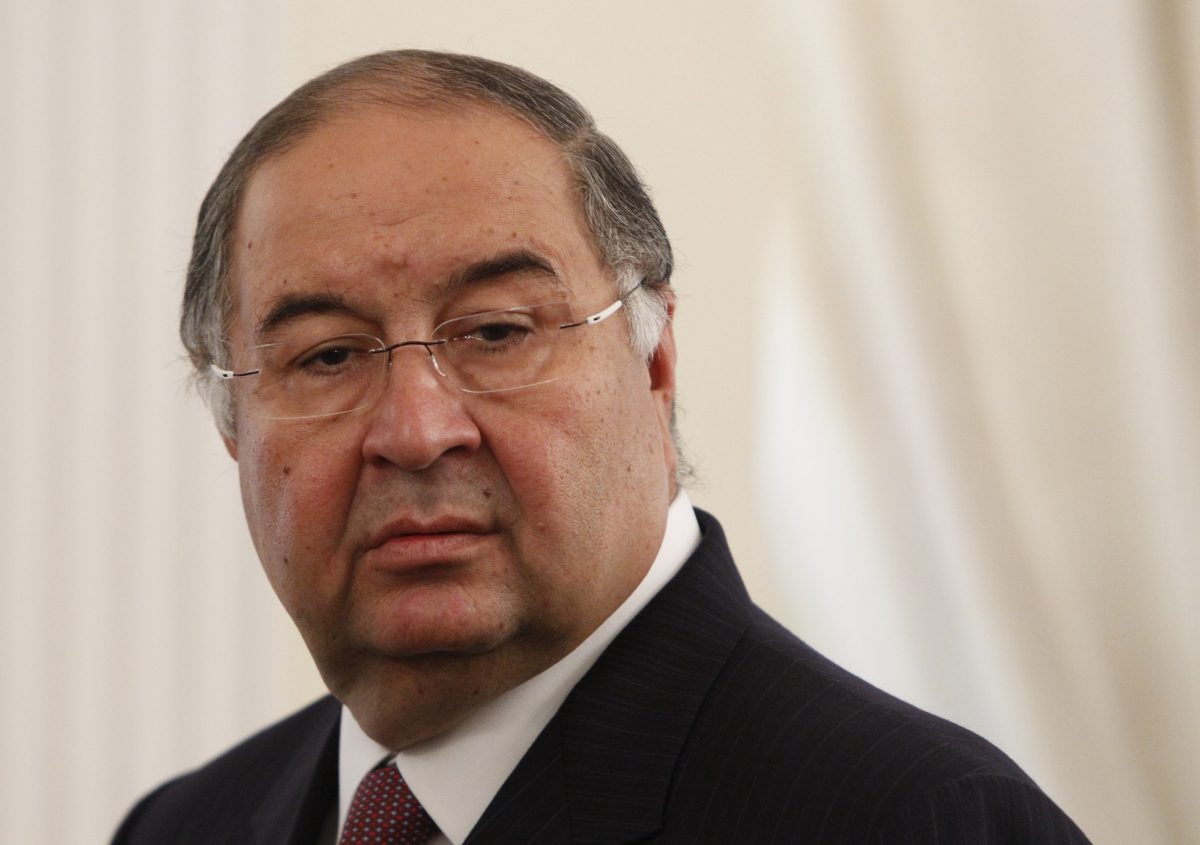

Ambassadors of the European Union’s 27 member states removed three people and one company from a list of more than 3,000 sanctioned people and companies linked to Russia in a vote Sept. 22, the European Council (EC) announced on its website.
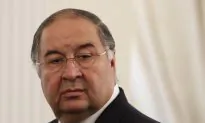
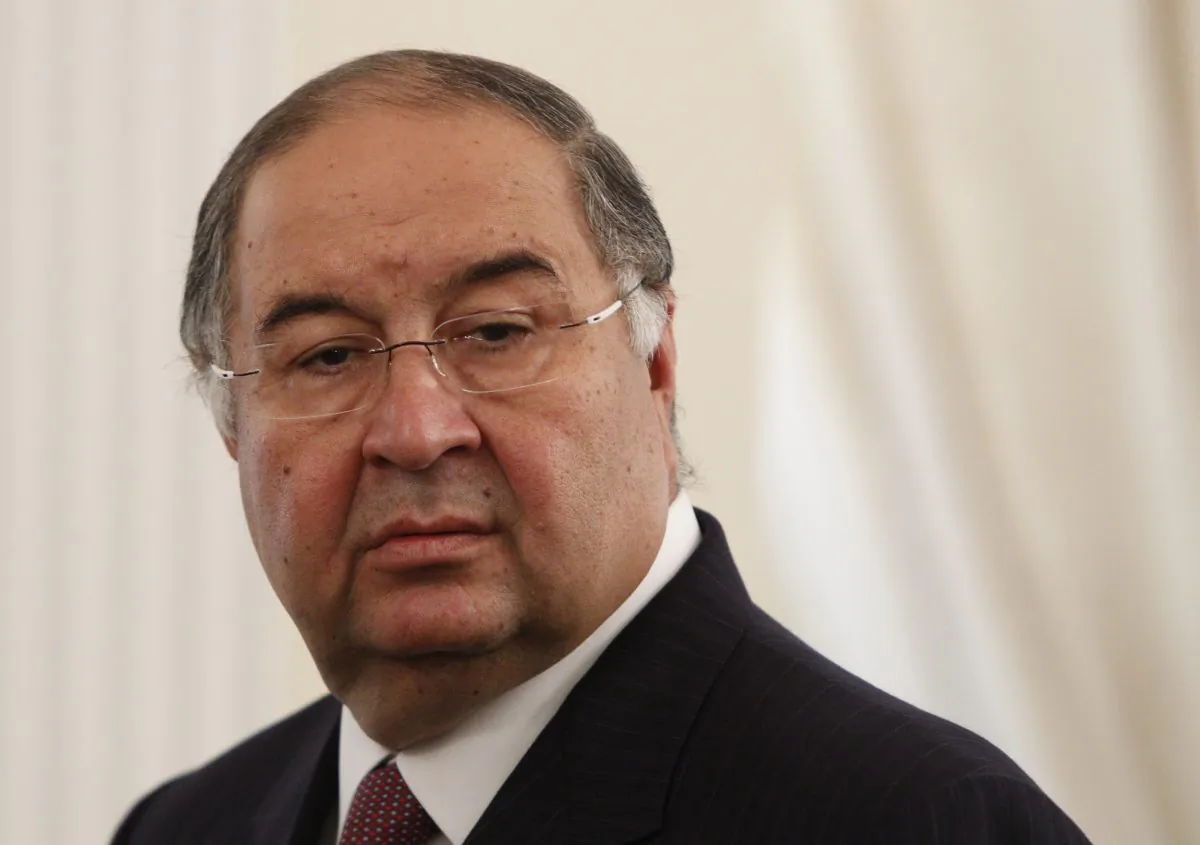
The EC’s notice did not name the people removed from the list but two of the individuals were identified as prominent Russia-linked businessmen—Alisher Usmanov and Mikhail Fridman—by Estonian Minister of Foreign Affairs Margus Tsahkna and Ambassador Jonatan Vseviov.
Tsahkna said the men were taken off the list at the request of France and Luxembourg, in exchange for a 36-month extension of the sanctions.
“Estonia did not support this decision and abstained from the vote,” Tsahkna said in a post on X. “We will now impose national sanctions on both individuals. Russia has not changed course. Neither should we. Pressure through sanctions must continue to grow.”
The EU Union’s rules require unanimous agreement from its member nations.
Latvia also abstained from the vote. Latvian Prime Minister Andris Kulbergs said he has convened an emergency meeting of his country’s Cabinet to meet Wednesday to address the issue of sanctions for the two men.
European Parliament Conservatives and Reformists Group member Rihards Kols from Latvia spoke out against the decision. He vowed to impose national sanctions on the two men in Latvia and encouraged other nations to do the same.
“There is no better gift to Moscow’s core argument: that EU sanctions are arbitrary punishment requiring no justification, applied and lifted at political convenience,” Kols stated in a post on X. “We spent years proving the opposite. We disproved ourselves this afternoon.”
Kols said the notion of releasing prisoners in exchange for taking billionaires off the list will result in more detainees.
“Nothing prevents the rest from acting,” Kols said. “Latvia will impose national sanctions on Usmanov and Fridman. The other 23 can do the same tomorrow. The question is whether they will.”
Ukrainian President Volodymyr Zelenskyy responded to the delistings in a statement on social media.
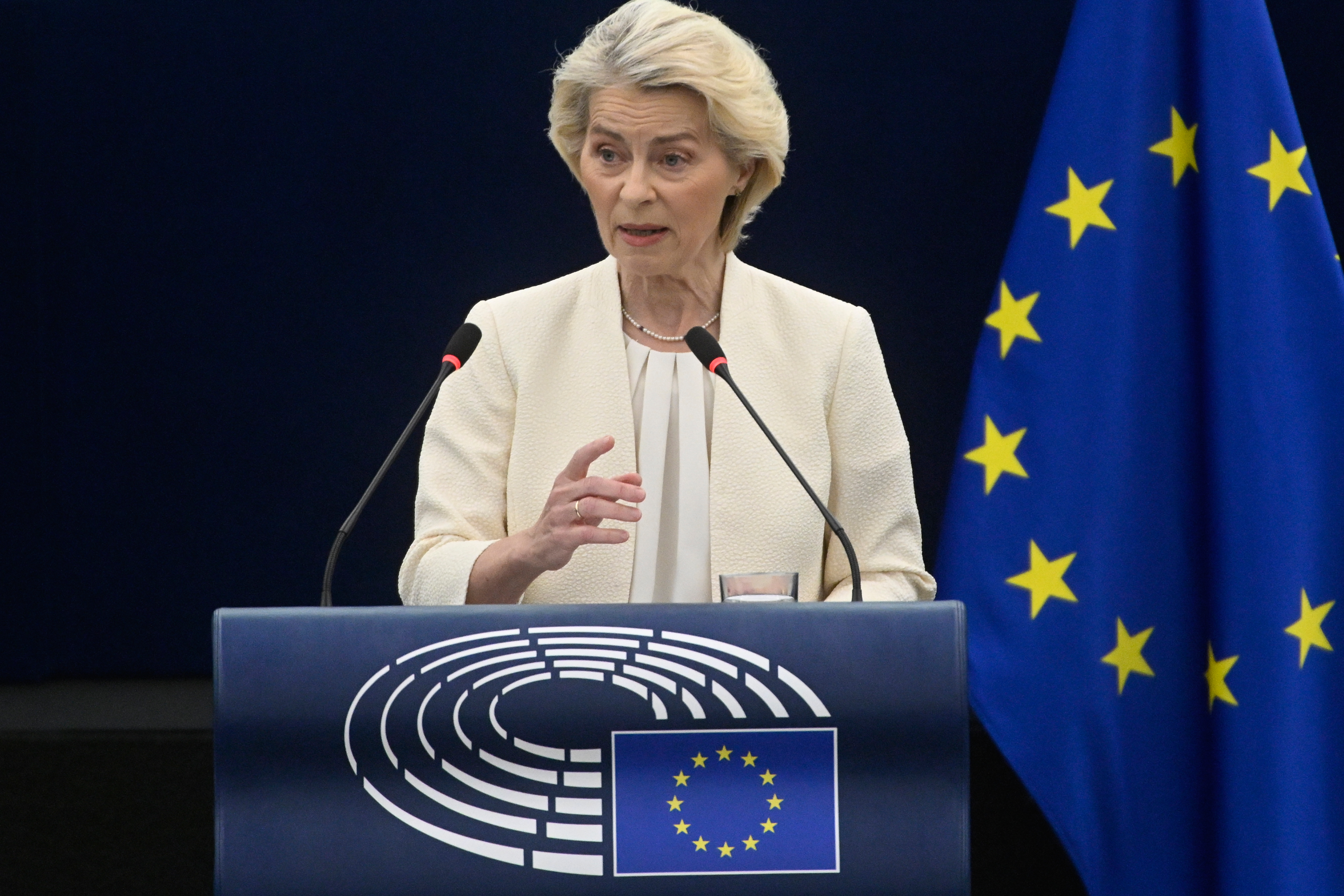 European Commission President Ursula von der Leyen delivers a speech at the annual State of the European Union at the European Parliament in Strasbourg, eastern France, on Sept 16, 2026. (AP Photo/Pascal Bastien, File)
Wojciech Kononczuk, an expert on Eastern Europe, said the decision to remove the two billionaires was a mistake.
“The move was pushed by Slovakia, with support from France (!) and Luxembourg,” Kononczuk posted on X. “Whatever the rumors behind France’s position, this is a very bad decision for the EU’s credibility. Russia will read it as a signal that anything is possible, and it’s just a matter of time, consistency, and money.”
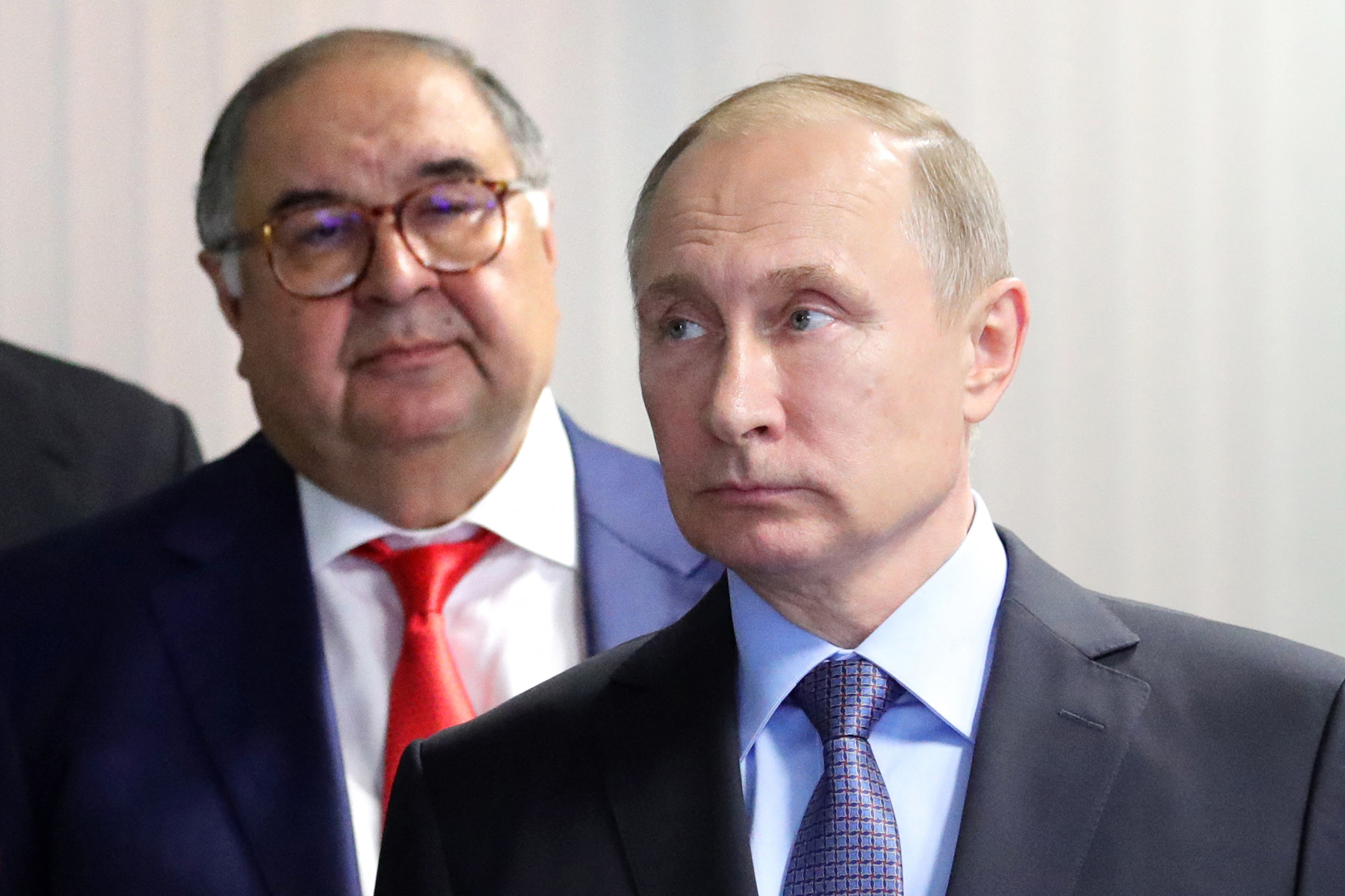 Russian President Vladimir Putin (R) and founder of USM Holdings Alisher Usmanov (L) look on at the control center of a new workshop producing hot briquetted iron at Lebedinsky Mining and Processing Combine (Metalloinvest MC LLC) in the Belgorod Oblast, Russia, on July 14, 2017. (Mikhail Klimentyev/Sputnik/AFP via Getty Images)
As one of Russia’s wealthiest oligarchs, Usmanov made his fortune producing plastic bags and owns iron ore and steel investments and stakes in telecom, mining, and media companies. He was also an early investor in Facebook, according to Forbes.
He is married to Irina Viner, a gymnastics coach for the Russian Federation, and is the head of the Russian Fencing Federation and the European Federation of Fencing.
Fridman, 62, with a net worth of $16.6 billion, is a Ukrainian native and the cofounder of Alfa Bank, Russia’s largest private bank. He was chairman of LetterOne, a private international investment business in Luxembourg, before distancing himself from the entity following sanctions.
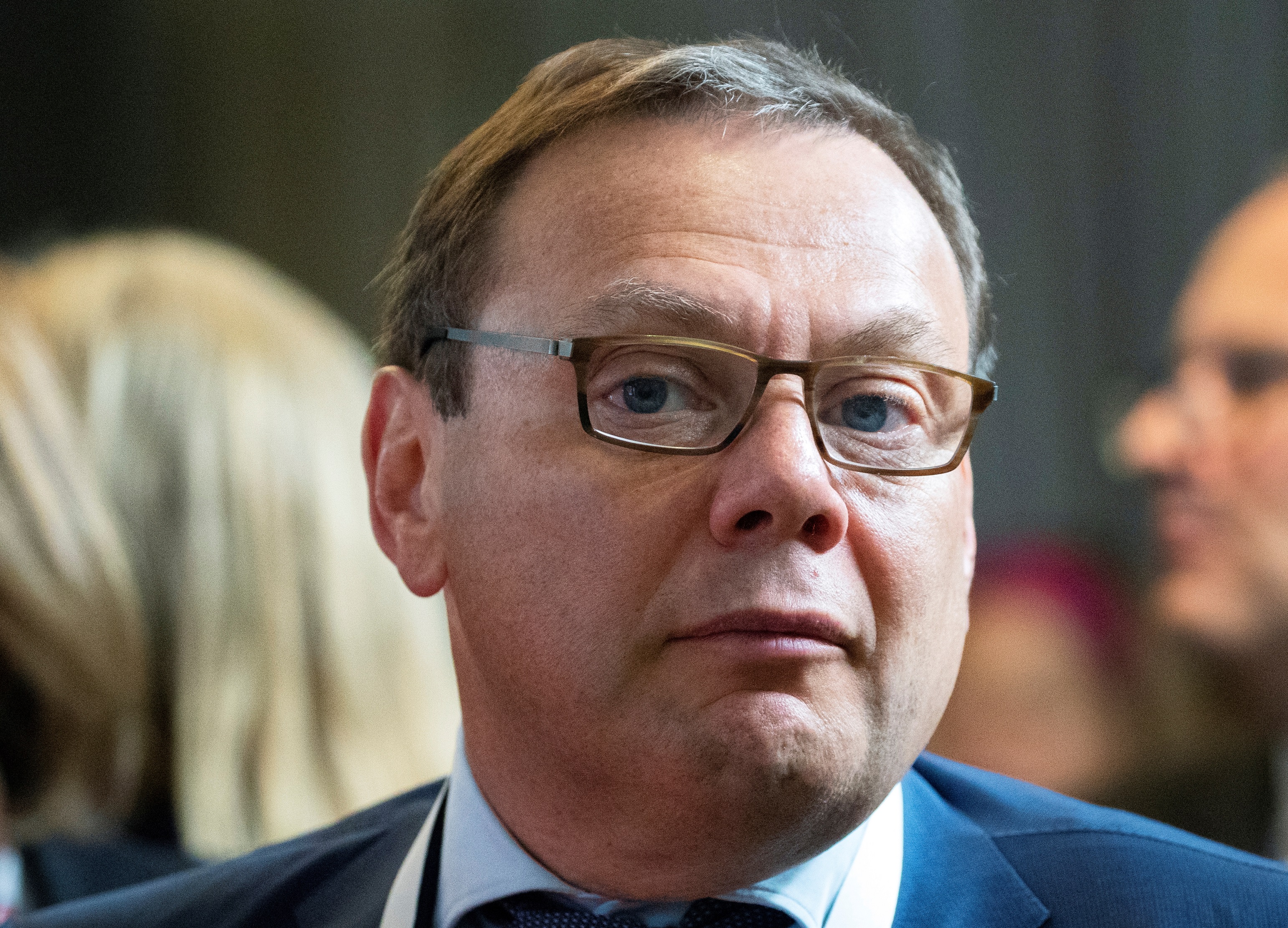 Mikhail Fridman, a Russian businessman and cofounder of Alfa Group, attends a conference of the Israeli Keren Hayesod foundation in Moscow on Sept. 17, 2019. (Pavel Golovkin/Pool via Reuters)
Fridman’s properties in London were frozen by the United Kingdom after sanctions were imposed. He also has Israeli citizenship.
Fridman sued the country of Luxembourg for $16 billion in 2024 over its decision to freeze his assets following the EU’s decision to sanction him. The lawsuit alleged the sanctions were applied in 2022 without due process. The case remains pending.
In April 2024, the EU’s General Court removed Fridman from the EU sanctions list, saying there wasn’t sufficient evidence that he supported Russian President Vladimir Putin’s war against Ukraine.
He remained on the list after the court ruling, however, because it only annulled the first years of the war. The EU continued to list Fridman under updated decisions every six months.
In 2022, Fridman wrote a letter to LetterOne’s staff opposing the Russia-Ukraine war.
“I do not make political statements, I am a businessman with responsibilities to my many thousands of employees in Russia and Ukraine,” Fridman wrote. “I am convinced however that war can never be the answer. This crisis will cost lives and damage two nations who have been brothers for hundreds of years. While a solution seems frighteningly far off, I can only join those whose fervent desire is for the bloodshed to end.”
 Friends Read Free
Copy
Facebook
Tweet
Friends Read Free
Copy
Facebook
Tweet