The European Union remains concerned about the Hong Kong national security law and wants Hongkongers’ rights promised in the Basic Law to be respected, Germany’s foreign minister told his Chinese counterpart on Tuesday.
The Basic Law refers to Hong Kong’s mini-constitution, drafted upon the city’s transfer of sovereignty from Britain to China. The document guarantees Hong Kong’s autonomy and freedoms not enjoyed in mainland China.
German Foreign Minister Heiko Maas made the remarks during talks with Chinese Foreign Minister Wang Yi, who was visiting Berlin amid local protests over the Chinese regime’s human rights abuses not only in Hong Kong, but also in Xinjiang and other parts of the country.
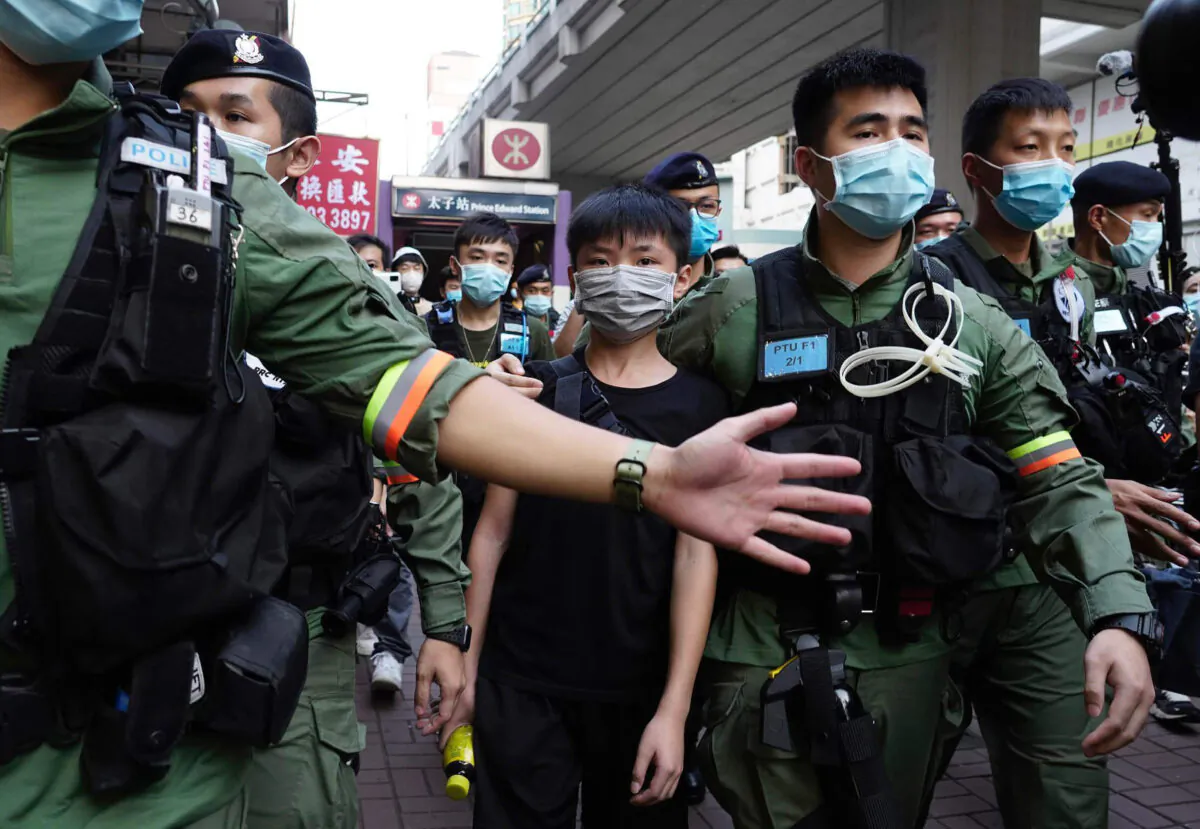
Beijing enacted a national security law, which went into effect on June 30, criminalizing any acts Beijing determines to be subversion, secession, and collusion with foreign forces, with a maximum penalty of life imprisonment.

“The new security law in Hong Kong was an important topic when we last spoke, and you know from your visit to the other European capitals that our concerns about the effects of the security law have not yet been allayed,” Maas told Wang, who was wrapping up his European tour which also included Italy, the Netherlands, Norway, and France.
“We want the principle of ‘One Country, Two Systems’ to be fully applied and the rights guaranteed in the Basic Law to be respected,” he said at a joint press conference. “We in the EU are agreed that this will remain our benchmark for developments in Hong Kong.”
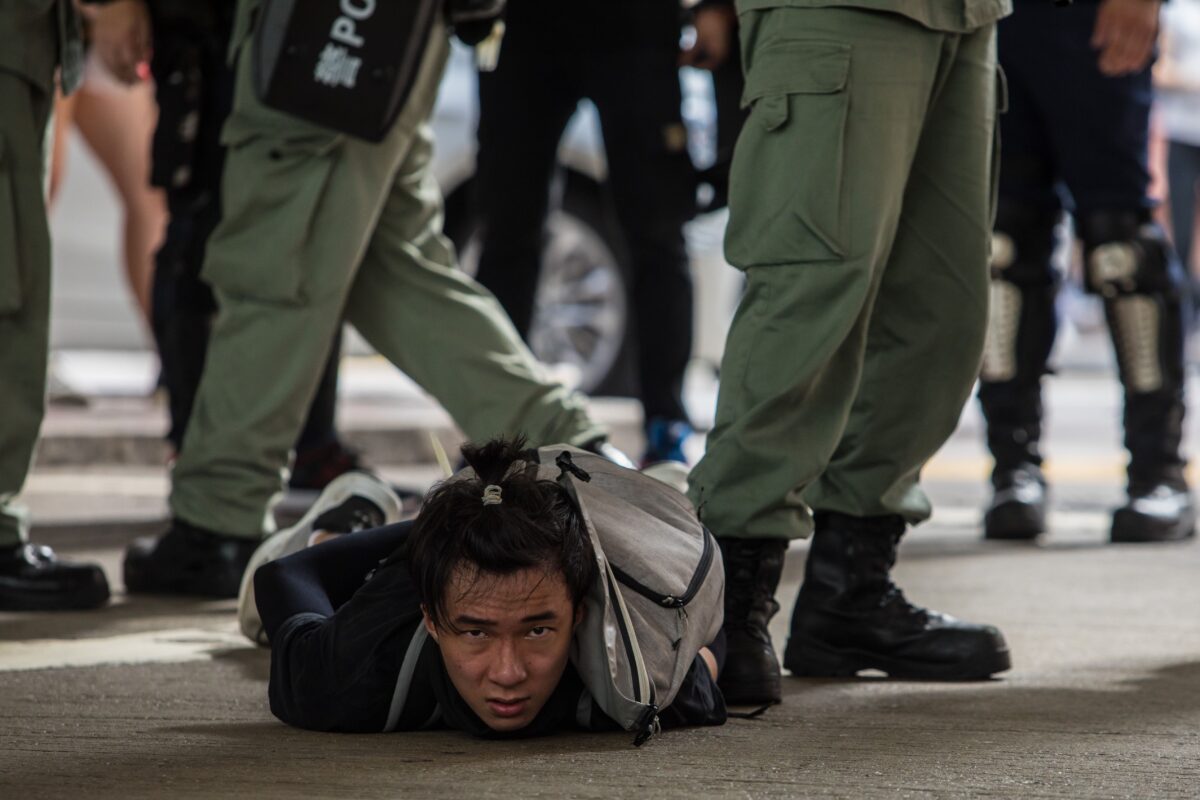
The Hong Kong government recently postponed the 2020 Hong Kong Legislative Council election for a year, citing a local surge in CCP (Chinese Communist Party) virus cases as the reason. But it is widely believed to be a desperate move to prevent the pro-democracy camp from winning a majority of seats in the legislature.
The German foreign minister called on Beijing to reverse the restrictions imposed under the national security law and allow the postponed elections to take place “quickly and unhindered.”
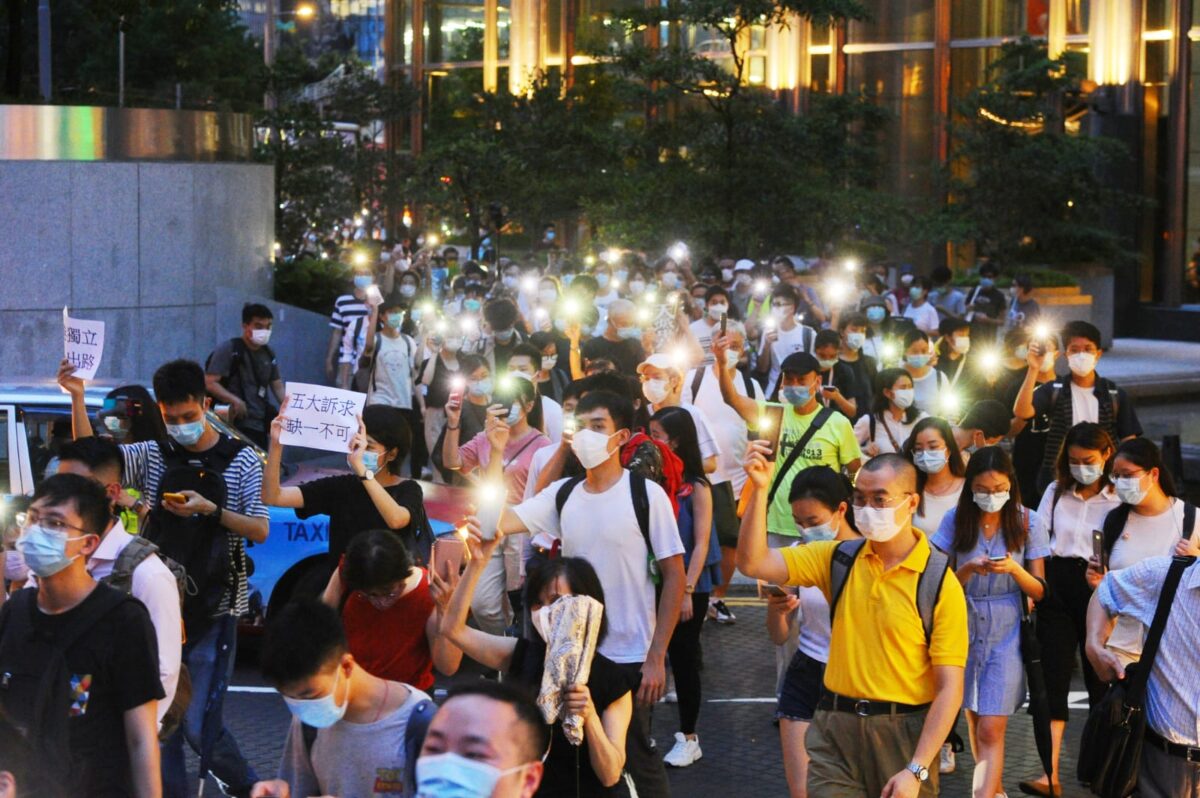
Maas also spoke to Wang about Beijing’s oppression of Uyghur Muslim minorities in the Xinjiang region in northwestern China, where over a million Uyghurs and other Turkic Muslims are believed to be incarcerated in detention camps.
“We would very much like to see China grant an independent United Nations observer mission access to the camps,” said Maas.
Wang Yi rejected all criticisms of Beijing’s policies, saying these were all China’s “internal affairs.”
‘German Industry Must Not Be Indifferent’
Before the meeting, German politicians from both the ruling coalition and the opposition had demanded that the foreign minister criticize the Chinese regime’s human rights violations in terms “other than the consistently reserved language” toward China.
Green Party leader Annalena Baerbock demanded that further negotiations on an EU-China investment agreement be linked to human rights guarantees.
Margarete Bause (Greens), chairwoman of the German Parliament’s Human Rights Committee, urged the German industry “not to be indifferent” to what is happening in Hong Kong.
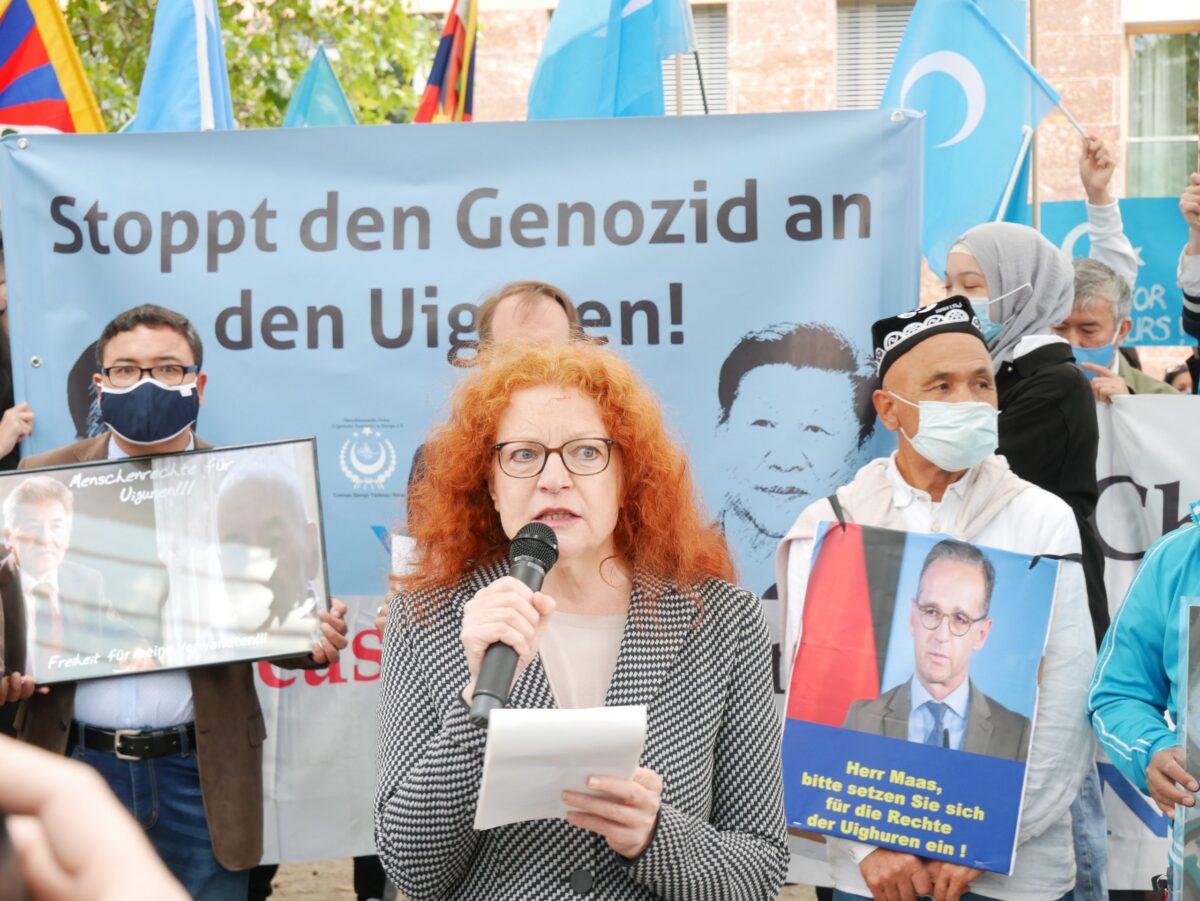
“It is in the very best interests of German business to show solidarity with the democracy movement, because free trade presupposes a free society,” she said at a rally outside the Foreign Ministry. “I expect German business to take a clear stand on the side of human and civil rights.”
“We have to act before it’s too late,” said Nathan Law, a former Hong Kong legislator and current activist-in-exile, at the rally.

Law, 27, who fled to London after the security law was enacted, called on the German government to “consider sanctions against officials of the governments in Beijing and Hong Kong.”
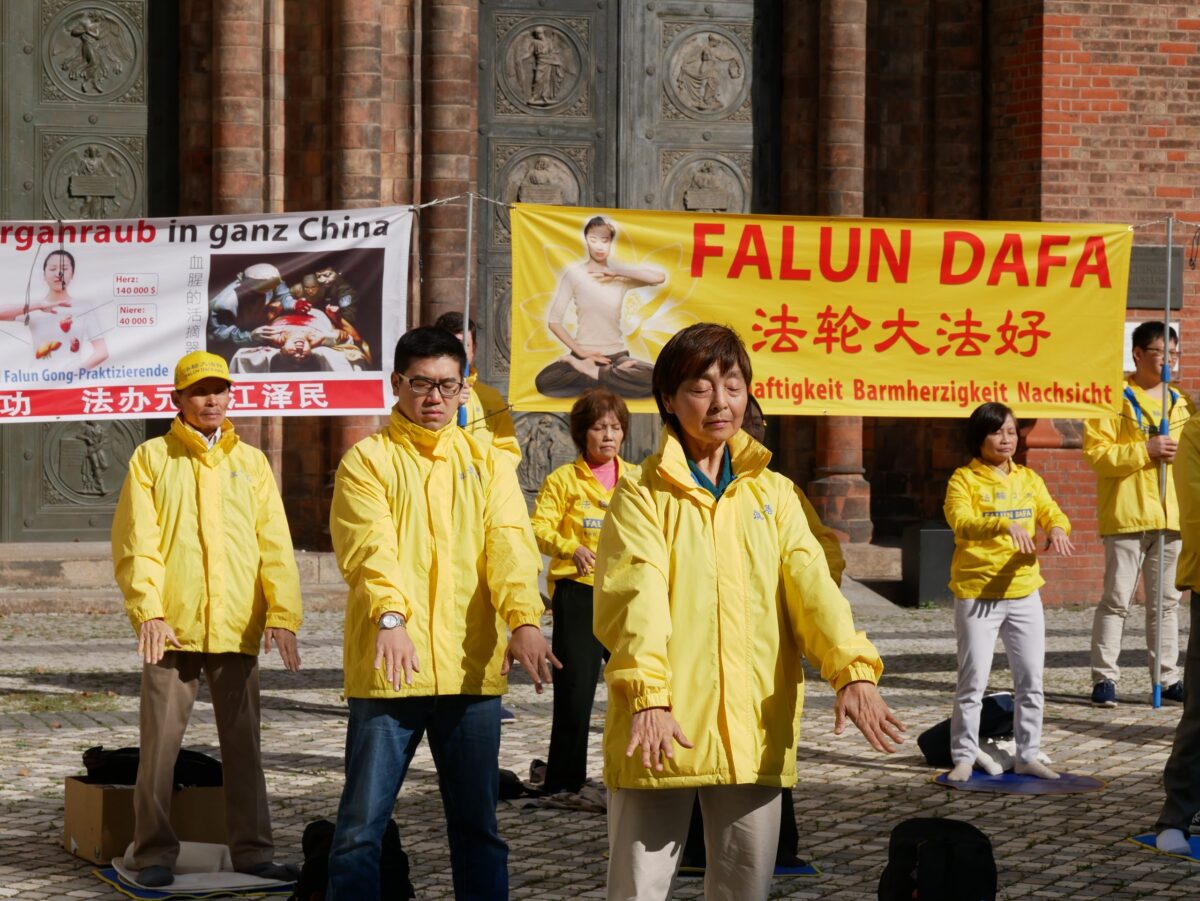
The rally was attended by hundreds, including representatives of Uyghurs, Tibetans, and Falun Gong practitioners.
Isabel van Brugen, Yinyin Liao, and the German edition of The Epoch Times contributed to this report.
 Friends Read Free
Copy
Facebook
Tweet
Friends Read Free
Copy
Facebook
Tweet