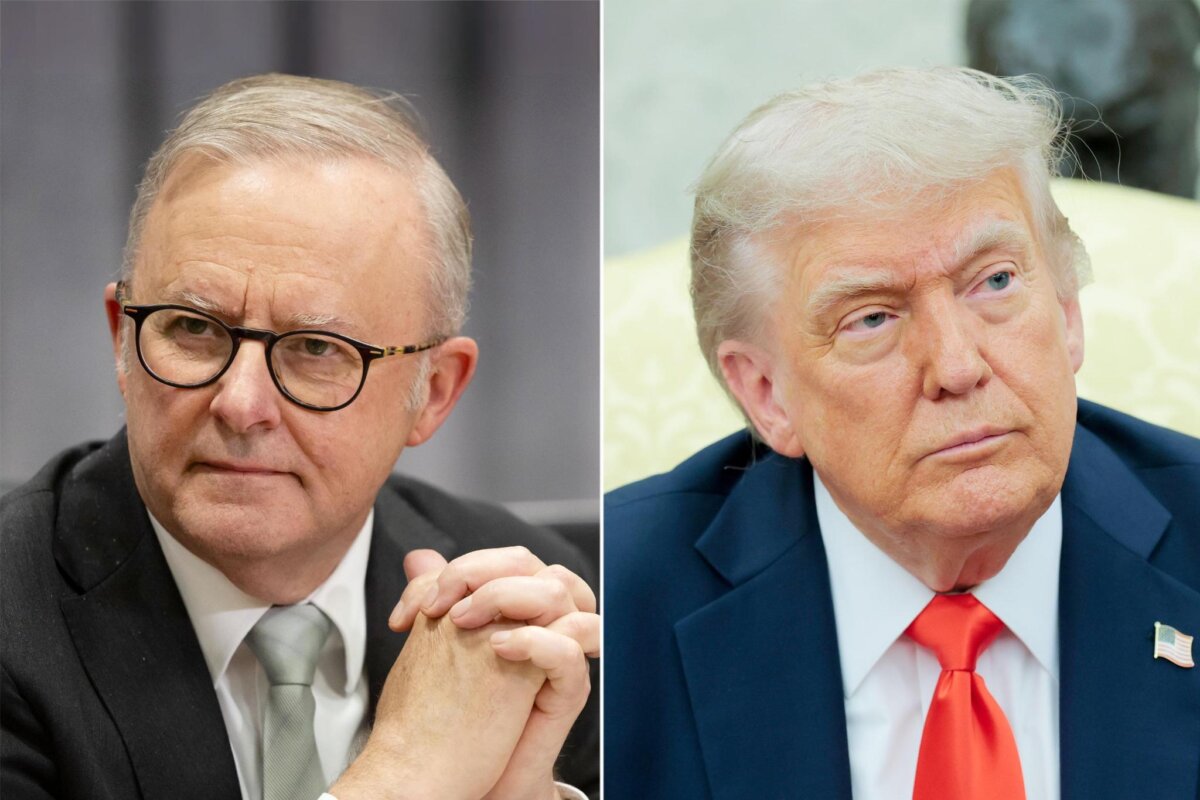

Hopes of an exemption to U.S. tariffs for Australia appear to be dwindling after President Donald Trump revealed his administration was considering upping global baseline tariffs to 15 or 20 percent.
Meanwhile, expectations and pressure continue to mount on Australian leaders after the European Union became the latest economic bloc or country to seal a deal with the United States.
U.S. President Trump earmarked the 15-20 percent new global tariff baseline for countries that have yet to finalise a deal.
“I would say it’ll be somewhere in the 15 to 20 percent range,” he told reporters in Scotland during his official visit.
“I just want to be nice. Probably one of those two numbers.”
The American leader was attending a trade summit in Scotland where a deal with the European Union saw the previous 30 percent U.S. tariff dropped to a 15 percent baseline.
As part of the deal, some goods such as steel and aluminium will retain tariffs as high as 50 percent, while other products like military equipment and aircraft parts will not be subject to any tariffs.
Trump and Japan also recently sealed a deal, following countries like Indonesia, the United Kingdom (one of the earliest to begin negotiating), Vietnam, and the Philippines. No country has been able to avoid tariffs altogether.
Meanwhile, Australia’s progress has been unclear since the “Liberation Day” tariffs were first announced in April and due to come into effect on Aug. 1.
Prime Minister Anthony Albanese has yet to meet with the president since winning the May election, despite managing to arrange time to meet the Chinese Communist Party (CCP) leadership.
Australia has, however, recently dropped stringent biosecurity requirements on U.S. fresh beef imports.
Most Australian exports to the United States—barring steel, aluminium and automobile parts—have been assigned the 10 percent baseline tariff.
That 10 percent rate will have the biggest impact on Australian beef exports to America, of which there is 400,000 tonnes going annually.
For Australian steel and aluminium exports, they face a higher tariff of 50 percent and for automotive parts, 25 percent.
We Will Continue to Engage: Minister
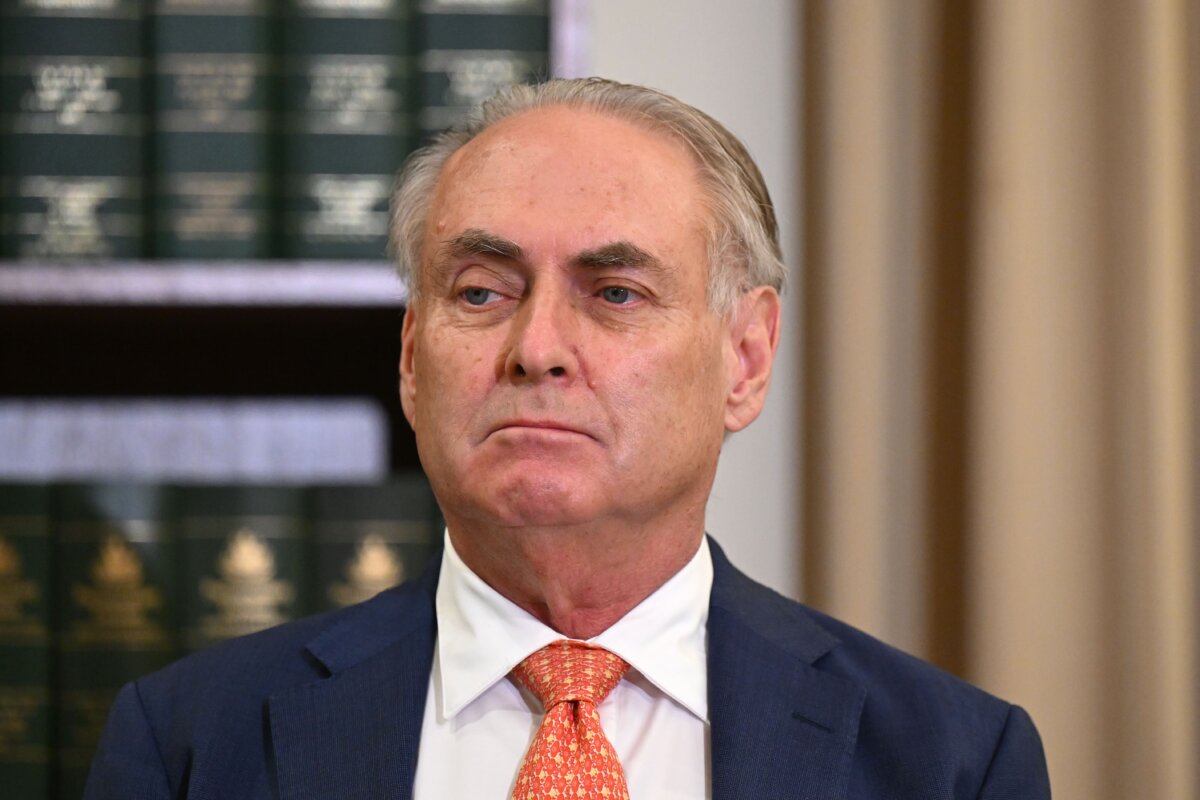
In a statement, Australia’s Trade Minister Don Farrell said the government remained steadfast in its approach.
“Any tariffs on Australian goods are unjustified and an act of economic self-harm,” he said.
“We will continue to engage at all levels to advocate for the removal of all tariffs, in line with our free trade agreement with the U.S.”
Health Minister Mark Butler, who said he had only just heard of the new higher tariff proposal, agreed Australia’s intention was to not have tariffs with the U.S.
The two nations share a 20-year free trade agreement.
Shadow trade spokesperson, Kevin Hogan, said the U.S. tariffs were damaging to the U.S. consumer and would drive up inflation.
“We’ve seen a bit of it, but this could accentuate it, almost like a global trade war. Especially a country like China, if they were to retaliate to these higher tariffs, what would that mean? That would mean slower global growth,” he told reporters on July 29.
Hogan said tariffs would impact $650 billion in Australian exports.
Pharma Exports to the US a Concern
Meanwhile on July 8, Trump also earmarked upping tariffs on pharmaceutical imports to the United States to as high as 200 percent, unless manufacturers move their operations to America.
Australia is a major exporter of blood and plasma products to the U.S.
“Our officials are working hard to get a sense exactly of the nature and the timing of any tariffs on pharmaceutical exports, which … is a particular sector or industry that the U.S. administration has been focused on,” said Health Minister Butler, in an interview with ABC Radio.
“We recognise this is a very significant challenge, including to pharmaceutical exports from Australia to the U.S., which by and large are blood and plasma products.
“We’re doing everything we can to prosecute our interest as Australians.”
University of Sydney US politics expert David Smith told AAP the likelihood of Australia avoiding tariffs was unlikely.
“Even though there were a lot of hopes at the beginning of this process that countries could negotiate their way out of tariffs altogether — that’s not really happening,” he said.
 Friends Read Free
Copy
Facebook
Tweet
Friends Read Free
Copy
Facebook
Tweet